Was the greatest English keyboardist of the 17th century actually a doctor of music?
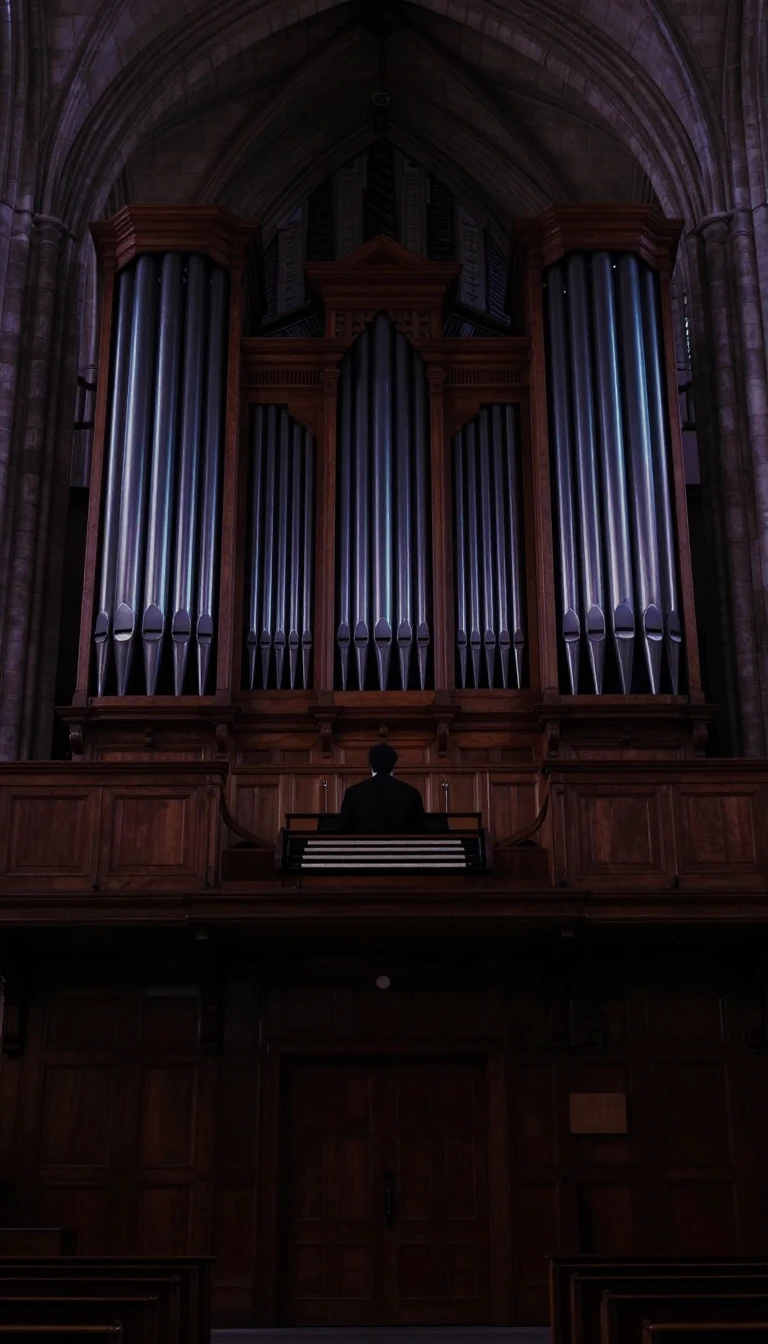
In short: Orlando Gibbons was the leading English composer and organist of the 1610s, celebrated for his technical mastery and influence on the Baroque era. Yet, centuries later, historians still debate whether he ever officially earned a doctorate, a mystery that persists despite his status as a titan of English music.
Born in Oxford in 1583, Orlando Gibbons emerged from a musical family to become the most distinguished organist in England by the 1610s. His career was defined by his service to the Chapel Royal, where he secured a position as a Gentleman by 1605, and his later appointment as organist at Westminster Abbey in 1623. Contemporaries, including the French ambassador, famously described him as having the best hand in England, a sentiment echoed by writers like John Chamberlain upon the composer's sudden death in 1625.
The question of his academic credentials remains a point of contention among musicologists. While some scholars, such as Sir John Hawkins, have argued that Gibbons received a doctorate in 1622 alongside William Heather, others point to the lack of contemporary evidence. Notably, the Cheque book of the Chapel Royal refers to Heather as 'doctor' but labels Gibbons only as 'senior organist.' Furthermore, his memorial monument in Canterbury Cathedral—erected shortly after his death—omits any mention of a doctoral degree, leading many modern experts to conclude he likely never held the title.
Beyond his personal accolades, Gibbons’s legacy is cemented by his role in bridging the Renaissance and Baroque periods. He refined the English madrigal and verse anthem, influencing a lineage of composers that included his son Christopher, who later taught Henry Purcell. His keyboard works, championed in the 20th century by Glenn Gould, continue to be regarded for their supreme beauty and technical complexity. Today, his music is fully recorded, ensuring that the composer who once served King James I remains a vital presence in the modern repertoire.
Opens the Intellect+ feed with this card first. Swipe up for the next one.
Sources
- Summary by Intellect · source: Orlando Gibbons
To cite this card, link to https://intellectplus.co.uk/app/music-orlando-gibbons.
How we source, check and correct cards: Editorial standards.
General information, not professional advice. Spotted an error? Flag the card or see corrections and complaints.
Intellect Plus is a visual educational discovery platform for exploring fascinating facts and ideas. Brain Food, Not Brain Rot. What is Intellect Plus?
Related
More in Musicians and composers · More in Music · Latest · A–Z · All topics
