Is Bach's Passacaglia and Fugue in C minor a hidden musical map of faith?
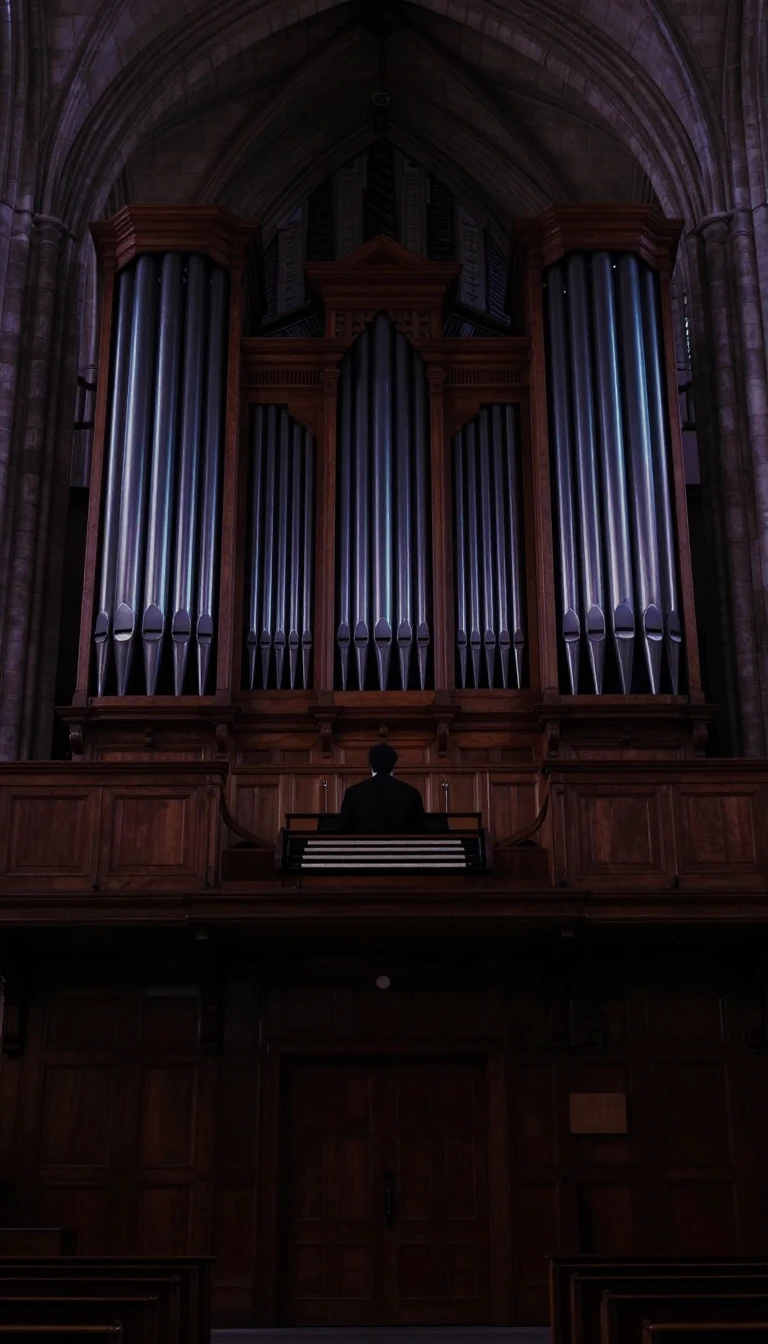
In short: Johann Sebastian Bach’s organ masterpiece, BWV 582, remains an enigma of structure and symbolism. While scholars debate whether its foundations lie in French themes or North German traditions, some suggest the work is a coded sequence of Lutheran chorales, turning a complex musical exercise into a profound spiritual architecture.
Composed likely between 1706 and 1713, BWV 582 is one of Bach’s most influential works. The original manuscript is lost, leaving us to rely on copies that hint at an origin in organ tablature. Its structure—a passacaglia followed by a double fugue—has sparked endless academic debate. Some researchers, such as Christoph Wolff and Siegfried Vogelsänger, have sought a grand symmetrical design, while others, like Martin Radulescu, argue the work is symbolically shaped as a cross.
The piece’s DNA is equally contested. The ostinato theme is widely believed to be derived from French composer André Raison, though scholars also point to the clear influence of North German masters like Buxtehude and Pachelbel. The passacaglia itself consists of 20 variations, with a climax at the twelfth, followed by a quiet intermezzo. The subsequent double fugue is a technical marvel, utilizing a permutation technique that ensures the subjects never combine in the same way twice.
A compelling, if speculative, interpretation comes from Marie-Claire Alain, who proposed that the 21 variations are organized into seven groups of three. Each group, she argues, references a specific Lutheran chorale, such as 'Nun komm' der Heiden Heiland' or 'Erstanden ist der heil'ge Christ'. Whether these references were intentional or coincidental remains a subject of fascination, reflecting the work's enduring capacity to invite deep, structural analysis centuries after its creation.
The work’s versatility has transcended its organ origins, appearing in transcriptions for everything from symphony orchestras to brass quintets, string quartets, and even the Chapman Stick. From Stokowski’s dramatic orchestral arrangements to its cinematic appearance in The Godfather, the Passacaglia and Fugue in C minor remains a cornerstone of the Western canon, constantly reinvented while retaining its original, haunting C minor affekt.
Opens the Intellect+ feed with this card first. Swipe up for the next one.
Sources
- Summary by Intellect · source: Passacaglia and Fugue in C minor, BWV 582
To cite this card, link to https://intellectplus.co.uk/app/music-passacaglia-and-fugue-in-c-minor-bwv-582.
How we source, check and correct cards: Editorial standards.
General information, not professional advice. Spotted an error? Flag the card or see corrections and complaints.
Intellect Plus is a visual educational discovery platform for exploring fascinating facts and ideas. Brain Food, Not Brain Rot. What is Intellect Plus?
Related
More in Music · More in Music · Latest · A–Z · All topics
