The world’s most famous organ piece might not be by Bach
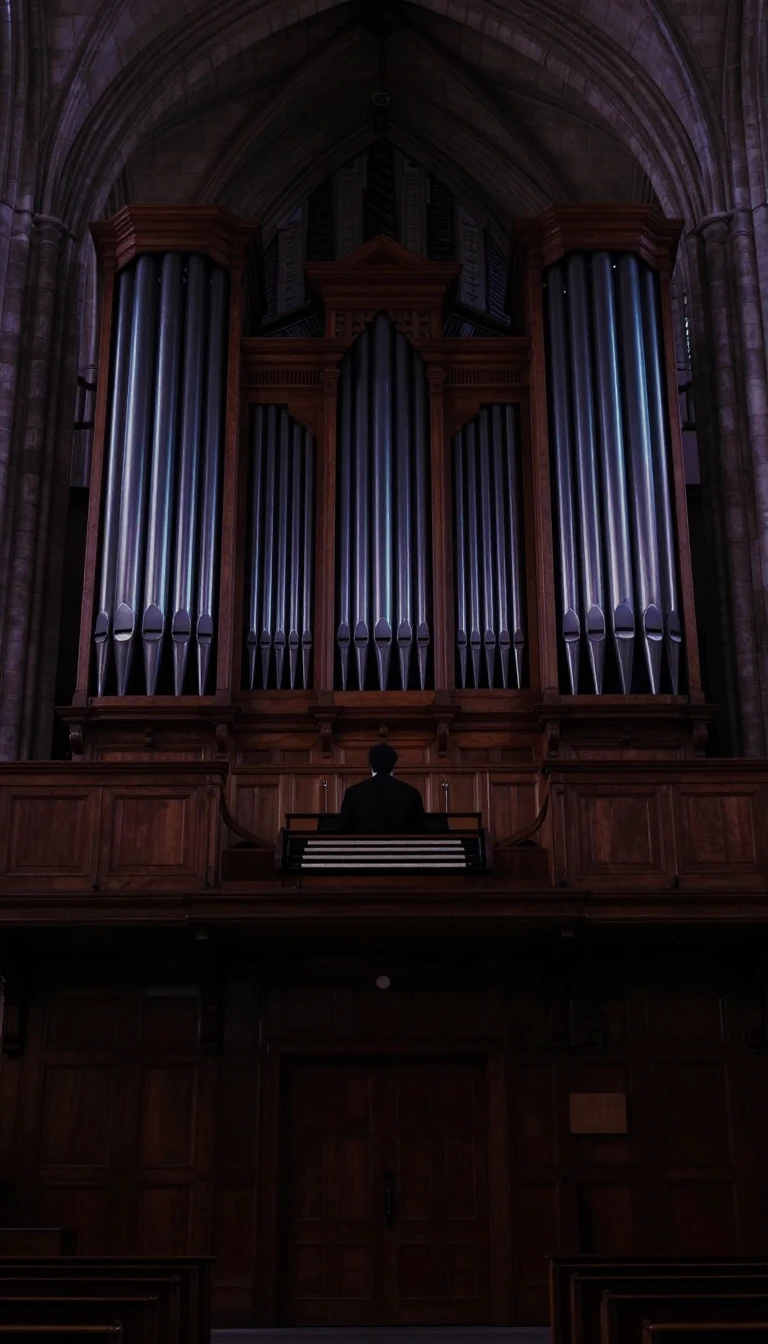
In short: We recognize the opening notes instantly, yet the authorship of BWV 565 has been a scholarly battlefield since 1981. From its discovery in an undated manuscript to its cinematic fame in Disney's Fantasia, this masterpiece sits at the intersection of genius and mystery.
While widely attributed to Johann Sebastian Bach, many scholars question if he actually wrote the Toccata and Fugue in D minor. The piece was long 'saved from oblivion' by a single undated manuscript produced by Johannes Ringk. Research suggests Ringk likely copied it between 1730 and 1740—possibly from his teacher, Johann Peter Kellner—rather than Bach himself. This source is riddled with errors, such as notes that don't fill measures correctly, which some critics argue reflects a level of carelessness uncharacteristic of Bach.
The work’s stylistic DNA is complex and contradictory. It features the 'stylus phantasticus' of the north German school but includes recitative stretches more common in south German music. Notably, a passage in the fugue is an exact copy of a phrase from Johann Pachelbel's D minor fantasias. While it was common to build fugues on other composers' themes, these connections fuel the debate over whether the piece is a Bach original or a composite work by various hands.
The piece's meteoric rise to fame is a modern phenomenon. It remained relatively obscure until Felix Mendelssohn championed its publication in 1833. Its status as a global icon was cemented in 1940 when Leopold Stokowski’s orchestral transcription appeared in Walt Disney's Fantasia. Today, it remains a paradox: some call it 'unorganistic' and purely virtuosic, while others see it as a profound masterpiece of absolute music.
Technically, the work is a three-part structure: a free opening toccata, a four-voice fugue, and a multi-sectional coda. It features unique elements like a solo pedal statement of the subject—a rarity for Baroque fugues—and an unusual answer in the subdominant key rather than the traditional dominant.
Opens the Intellect+ feed with this card first. Swipe up for the next one.
Sources
- Summary by Intellect · source: Toccata and Fugue in D minor, BWV 565
To cite this card, link to https://intellectplus.co.uk/app/music-toccata-and-fugue-in-d-minor-bwv-565.
How we source, check and correct cards: Editorial standards.
General information, not professional advice. Spotted an error? Flag the card or see corrections and complaints.
Intellect Plus is a visual educational discovery platform for exploring fascinating facts and ideas. Brain Food, Not Brain Rot. What is Intellect Plus?
Related
More in Music · More in Music · Latest · A–Z · All topics
