How a Cold War gentleman's agreement transformed Thai airbases into toxic chemical hubs
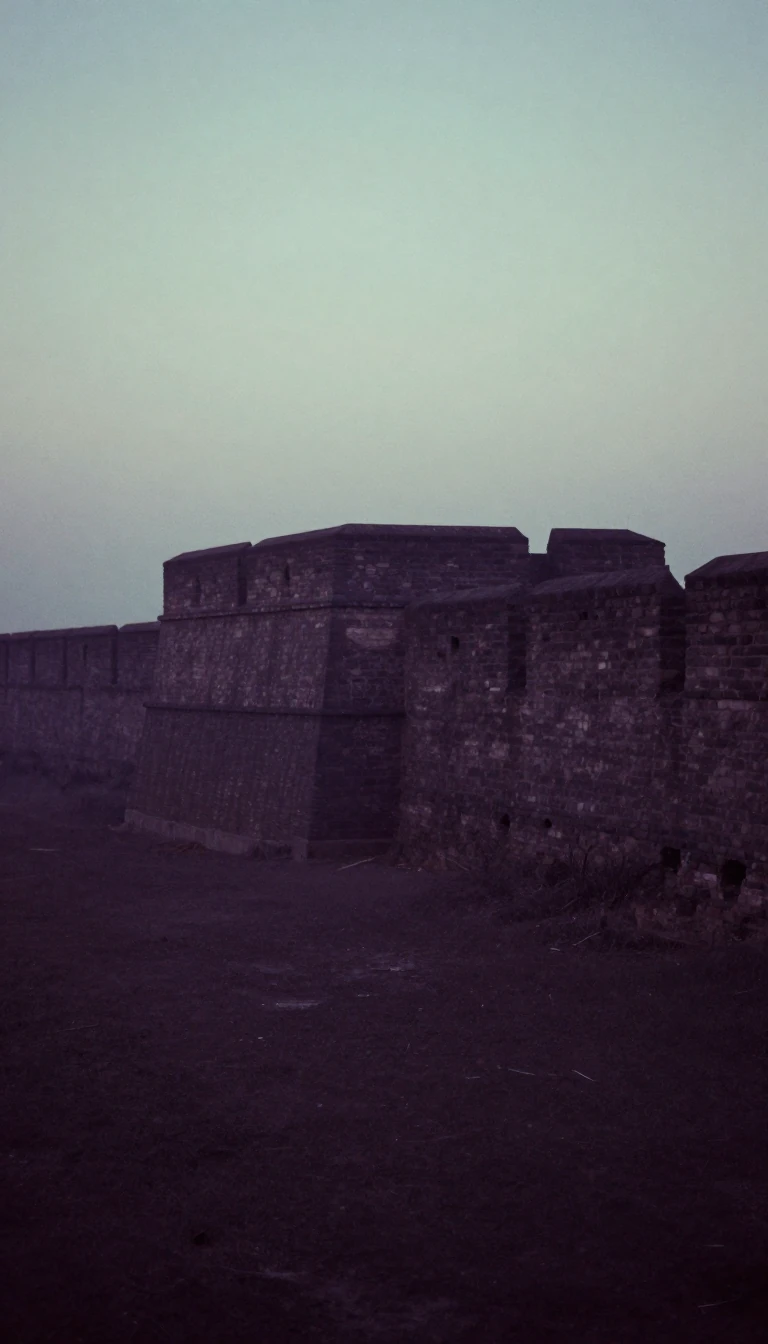
In short: During the Vietnam War, seven Royal Thai Air Force bases became critical staging grounds for American operations in Southeast Asia. Beneath the surface of these strategic hubs, a hidden history of chemical storage and perimeter defense unfolded, leaving a legacy that still impacts veterans seeking health recognition today.
Established in 1913, the Royal Thai Air Force is one of Asia's oldest air services. By the Vietnam War era, the force operated under a unique arrangement: while the United States Air Force utilized seven bases in Thailand as staging hubs for missions in Laos and Cambodia, these facilities were officially commanded by Thai officers under a gentleman's agreement. This allowed the Thai government to host American operations—five covertly and two openly—to mitigate the risk of the Laotian civil war spilling across their borders.
These bases, including Udorn, Ubon, and Nakhon Phanom, were far from passive observers. They faced consistent threats, from sniper fire and perimeter penetrations to sapper attacks. To secure these perimeters, the military relied on a combination of Thai air police, sentry dogs, and machine gun emplacements. Simultaneously, the bases served as distribution points for herbicides, including Agent Purple, Agent Orange, and the arsenic-based Agent Blue. These chemicals were used to clear vegetation around fences and were stored at Udorn for transport to airfields in Laos, where they were sprayed along the Ho Chi Minh Trail.
The environmental and health consequences of this era remain a point of contention and evidence. The presence of dioxin in Agent Orange and the toxicity of arsenic have become central to the assumption of exposure for veterans who served in Thailand between 1962 and 1976. For the Royal Thai Air Force itself, the legacy of this period sits alongside its evolution from a 1930s-era force equipped with American Boeing P-12E and Vought Corsair aircraft to a modern institution now integrating artificial intelligence and Big Data into its strategic planning.
Today, the service maintains a complex infrastructure, including the Directorate of Medical Services, which operates facilities like the Bhumibol Adulyadej Hospital. Research conducted at these institutions, such as a 2011 study of diabetic retinopathy at Chandrubeksa Hospital, reflects the modern focus on specialized healthcare. This shift from wartime logistics to advanced medical and technological development highlights the multifaceted history of an organization that has navigated global conflicts and internal modernization for over a century.
Opens the Intellect+ feed with this card first. Swipe up for the next one.
Sources
- Summary by Intellect · source: Use of Agent Purple, Agent Orange and Agent Blue on Royal Thai Air Force Base Perimeters in Thailand during the Vietnam War
- Also: Royal Thai Air Force
- Also: Prevalence and associated factors of diabetic retinopathy in Chandrubeksa Hospital, Directorate of Medical Services, Royal Thai Air Force.
To cite this card, link to https://intellectplus.co.uk/app/music-royal-thai-air-force.
How we source, check and correct cards: Editorial standards.
General information, not professional advice. Spotted an error? Flag the card or see corrections and complaints.
Intellect Plus is a visual educational discovery platform for exploring fascinating facts and ideas. Brain Food, Not Brain Rot. What is Intellect Plus?
Related
More in Music · More in Music · Latest · A–Z · All topics
