How a Hawaiian steel bar and a glass bottle changed the sound of blues.
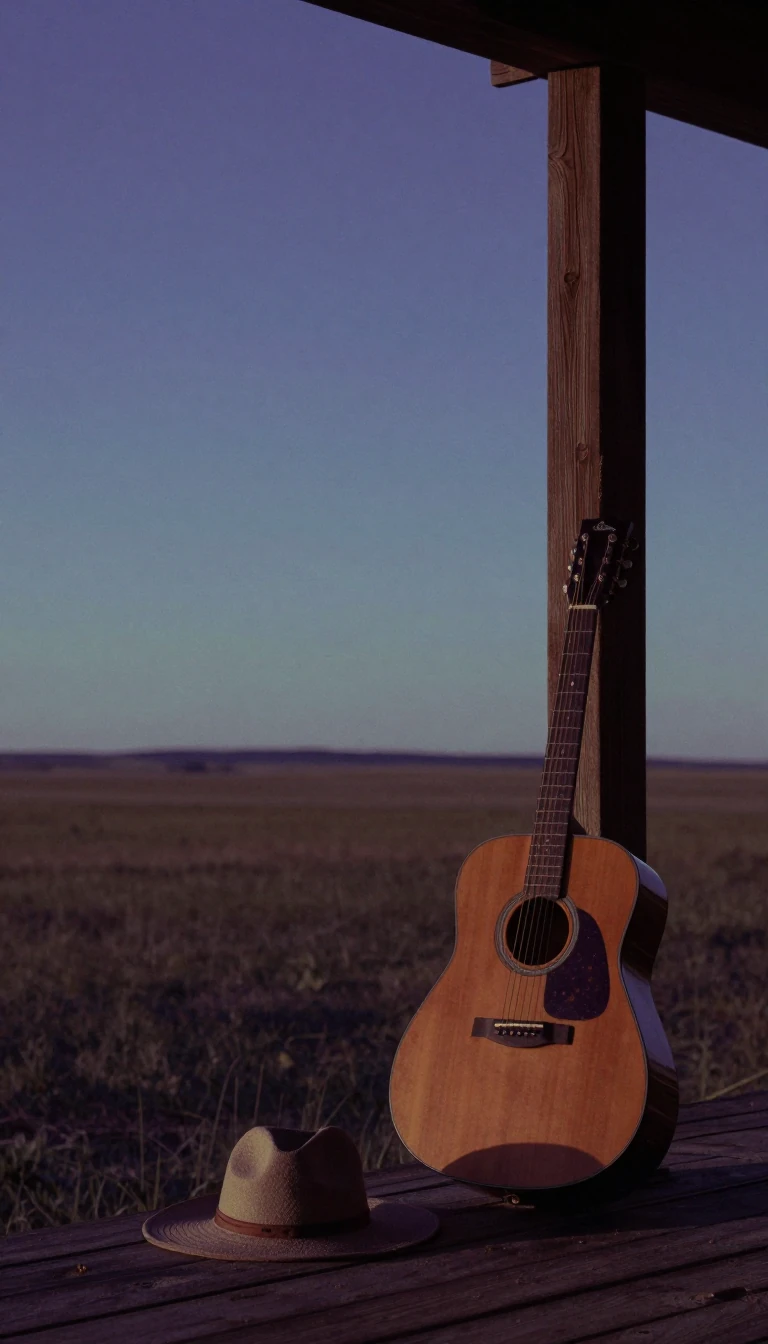
In short: Slide guitar transforms a standard instrument into a fretless, singing voice. By gliding a hard object across the strings, players unlock expressive glissandos and deep vibratos that mimic human emotion. From Delta blues pioneers to rock legends, this technique bridges African musical roots with the innovation of Hawaiian slack-key guitar.
The origins of slide guitar are a fusion of global influences. The technique traces back to African stringed instruments like the diddley bow, while the specific method of using a hard object against strings was popularized by Hawaiian musicians in the late nineteenth century. When European sailors introduced the Spanish guitar to Hawaii, locals developed 'slack-key' tunings, allowing them to play chords by sliding a metal bar—the 'steel'—along the fretboard. This 'Hawaiian guitar' style eventually migrated to the US, where it profoundly influenced Mississippi Delta blues musicians.
By the early 20th century, slide playing diverged into two distinct streams: the bottleneck style, played on a traditional guitar held against the body, and the lap-style, which utilized instruments modified for horizontal play. Blues artists like Tampa Red and Robert Johnson pioneered the bottleneck approach, using glass or metal slides to create melodic lines that mirrored the human voice. The 1930s electrification of the guitar further amplified these sounds, allowing performers like Robert Nighthawk and Elmore James to bring the Delta's haunting, expressive slide work into the urban Chicago blues scene.
The technique's versatility has made it a staple across genres. While early blues players often used improvised slides like knives or medicine bottles, modern players utilize a variety of materials to control sustain and timbre. The slide acts as a 'one-finger fretless guitar,' enabling players to bypass the pitch constraints of frets. This freedom has inspired rock icons, from the Rolling Stones to Duane Allman, who used the slide to push the boundaries of guitar expression, ensuring that the 'unforgettable' sound first heard in a 1903 train station remains a defining element of modern music.
Opens the Intellect+ feed with this card first. Swipe up for the next one.
Sources
- Summary by Intellect · source: Slide guitar
To cite this card, link to https://intellectplus.co.uk/app/music-slide-guitar.
How we source, check and correct cards: Editorial standards.
General information, not professional advice. Spotted an error? Flag the card or see corrections and complaints.
Intellect Plus is a visual educational discovery platform for exploring fascinating facts and ideas. Brain Food, Not Brain Rot. What is Intellect Plus?
Related
More in Music · More in Music · Latest · A–Z · All topics
