How Shostakovich used a symphony to survive Stalin’s brutal cultural purge
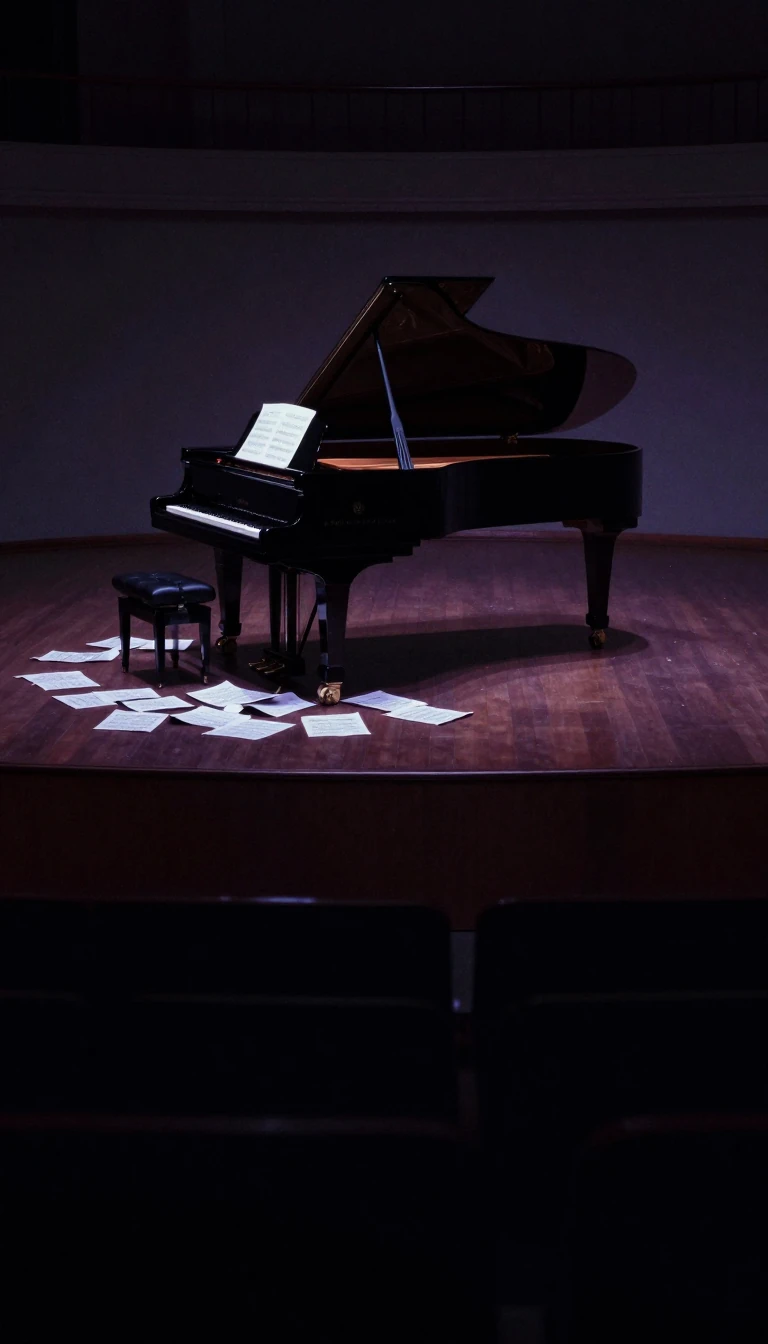
In short: After the Soviet government condemned his work in 1936, Dmitri Shostakovich faced a terrifying choice: conform or disappear. His Symphony No. 5, premiered in 1937, was framed as a humble apology to the state. Yet, beneath its surface, the composer hid a defiant, complex musical language that challenged his oppressors.
In the 1930s, the Soviet cultural climate shifted toward rigid control. Following Joseph Stalin’s 1936 attendance at a performance of Lady Macbeth of the Mtsensk District, Shostakovich was publicly vilified. His fourth symphony was withdrawn, and his career—and safety—hung in the balance. Symphony No. 5 was his calculated response, officially labeled as a Soviet artist’s reply to justified criticism. It was a high-stakes performance of compliance that successfully appeased authorities while securing his professional survival.
Musically, the work marked a departure from the sprawling, avant-garde experiments of his earlier years. Shostakovich adopted a more concentrated, classical structure, drawing inspiration from Gustav Mahler while refining his own unique voice. The symphony is defined by a rigorous focus on singular melodic ideas, including the use of a four-note motif based on the German musical notation of his own initials, D-S-C-H. This obsession with thematic unity allowed him to maintain a coherent, serious tone that resonated with the public.
While the symphony was hailed as a triumph of socialist realism, later analysis suggests it was far from a simple, optimistic work. The music is often somber and elegiac, filled with internal tension that undermines the state's demand for cheerfulness. By weaving in subtle, recurring motifs that had previously been associated with critiques of party doctrine, Shostakovich created a work that functioned on two levels: a public display of obedience and a private, subversive commentary on the futility of the state’s demands.
The success of the 1937 premiere in Leningrad provided Shostakovich with a temporary reprieve, allowing him to continue teaching at the conservatory. However, the struggle for artistic freedom remained precarious. By the late 1940s, as the Cold War intensified, the authorities again demanded ideological purity, leading to another period of disgrace for the composer. The fifth symphony remains a testament to his ability to navigate the crushing pressures of a totalitarian regime while preserving his artistic integrity.
Opens the Intellect+ feed with this card first. Swipe up for the next one.
Sources
- Summary by Intellect · source: Symphony No. 5 in D Minor, Op. 47 | Soviet Union, World War II, Shostakovich | Britannica
- Also: Symphony No. 5 (Shostakovich)
To cite this card, link to https://intellectplus.co.uk/app/music-symphony-no-5-shostakovich.
How we source, check and correct cards: Editorial standards.
General information, not professional advice. Spotted an error? Flag the card or see corrections and complaints.
Intellect Plus is a visual educational discovery platform for exploring fascinating facts and ideas. Brain Food, Not Brain Rot. What is Intellect Plus?
Related
More in Music · More in Music · Latest · A–Z · All topics
