How Wes Anderson used three different aspect ratios to frame a century of history
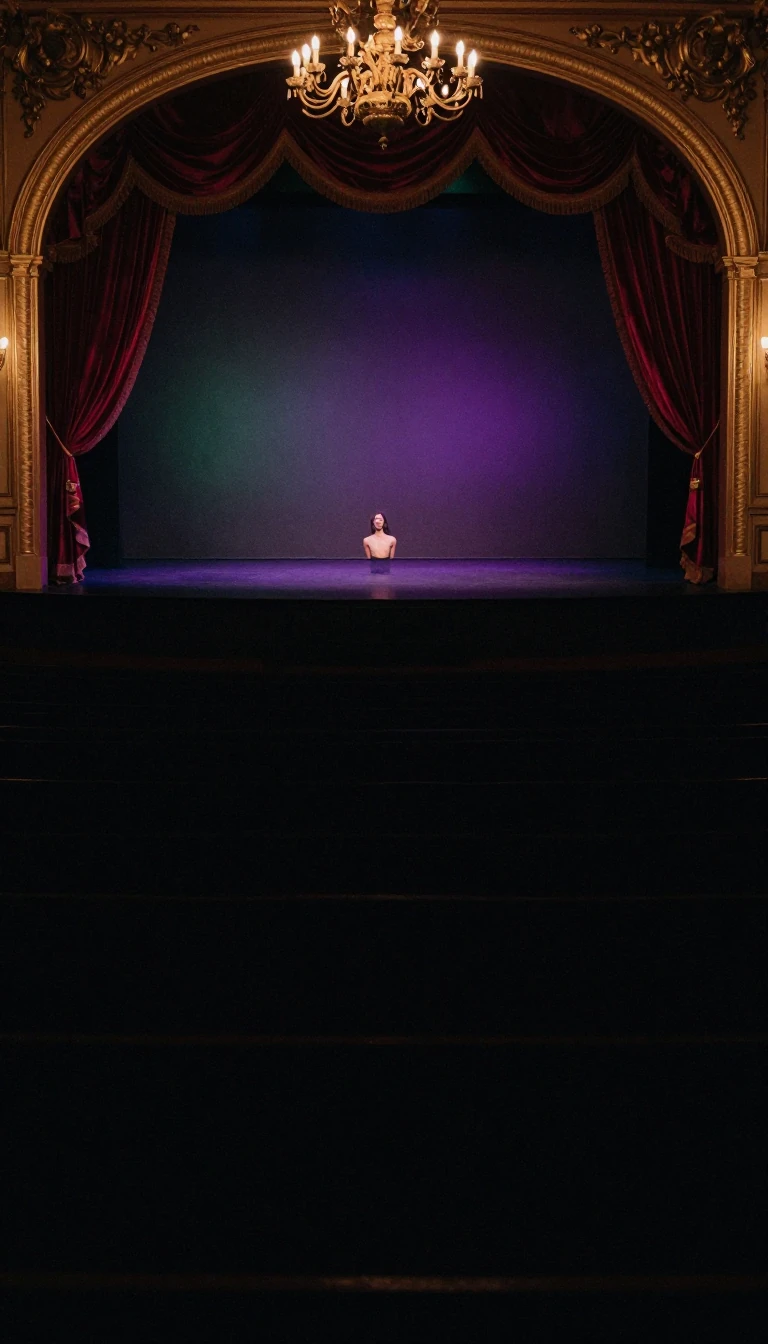
In short: The Grand Budapest Hotel is a visual puzzle that shifts its perspective across time. By utilizing three distinct aspect ratios, director Wes Anderson creates a cinematic timeline that mirrors the changing eras of his fictional Zubrowka, turning the film’s technical constraints into a deliberate, immersive storytelling device for the audience.
To capture the shifting moods of the twentieth century, the production team employed three specific aspect ratios as framing devices. Scenes set in 1932 were shot in the 1.37:1 Academy ratio, a choice that provided greater headroom and evoked the aesthetic of early cinema. For the 1968 sequences, the filmmakers utilized a 2.40:1 widescreen ratio, captured with Technovision Cooke anamorphic lenses to provide a distinct, softer texture. Finally, the modern-day scenes were formatted in the standard 1.85:1 ratio.
This visual strategy was deeply influenced by the director's research into mid-century Hollywood comedies and the United States Library of Congress's photochrom collection of alpine resorts. The production design, led by Adam Stockhausen, leaned into a warm, pastel-heavy palette to define the hotel's heyday, while contrasting this with the oppressive greens and golds of the Schloss Lutz estate or the cold, bluish-gray decay of the Checkpoint Nineteen prison.
The technical execution required significant ingenuity from cinematographer Robert Yeoman and his crew. Filming took place in eastern Germany between January and March 2013, often in vacant buildings like the Görlitzer Warenhaus to maintain total artistic control. To achieve the film's signature rapid whip pans and complex tracking shots, the team utilized specialized equipment, including a telescoping camera platform called the Towercam Twin Peek. These methods allowed the camera to traverse floors and navigate tight spaces, ensuring that every frame remained consistent with Anderson's precise, symmetrical vision.
The film's success was both critical and commercial, amassing $174.6 million worldwide and winning four of its nine Academy Award nominations. Beyond its aesthetic achievements, the film serves as a meditation on nostalgia and the encroachment of fascism, themes that resonated with audiences and critics alike. In 2025, the Library of Congress selected the film for preservation in the National Film Registry, cementing its status as a landmark of twenty-first-century cinema.
Opens the Intellect+ feed with this card first. Swipe up for the next one.
Sources
- Summary by Intellect · source: The Grand Budapest Hotel
To cite this card, link to https://intellectplus.co.uk/app/music-the-grand-budapest-hotel.
How we source, check and correct cards: Editorial standards.
General information, not professional advice. Spotted an error? Flag the card or see corrections and complaints.
Intellect Plus is a visual educational discovery platform for exploring fascinating facts and ideas. Brain Food, Not Brain Rot. What is Intellect Plus?
Related
More in Musicians and composers · More in Music · Latest · A–Z · All topics
