The Baroque master whose most famous work might not be his own creation
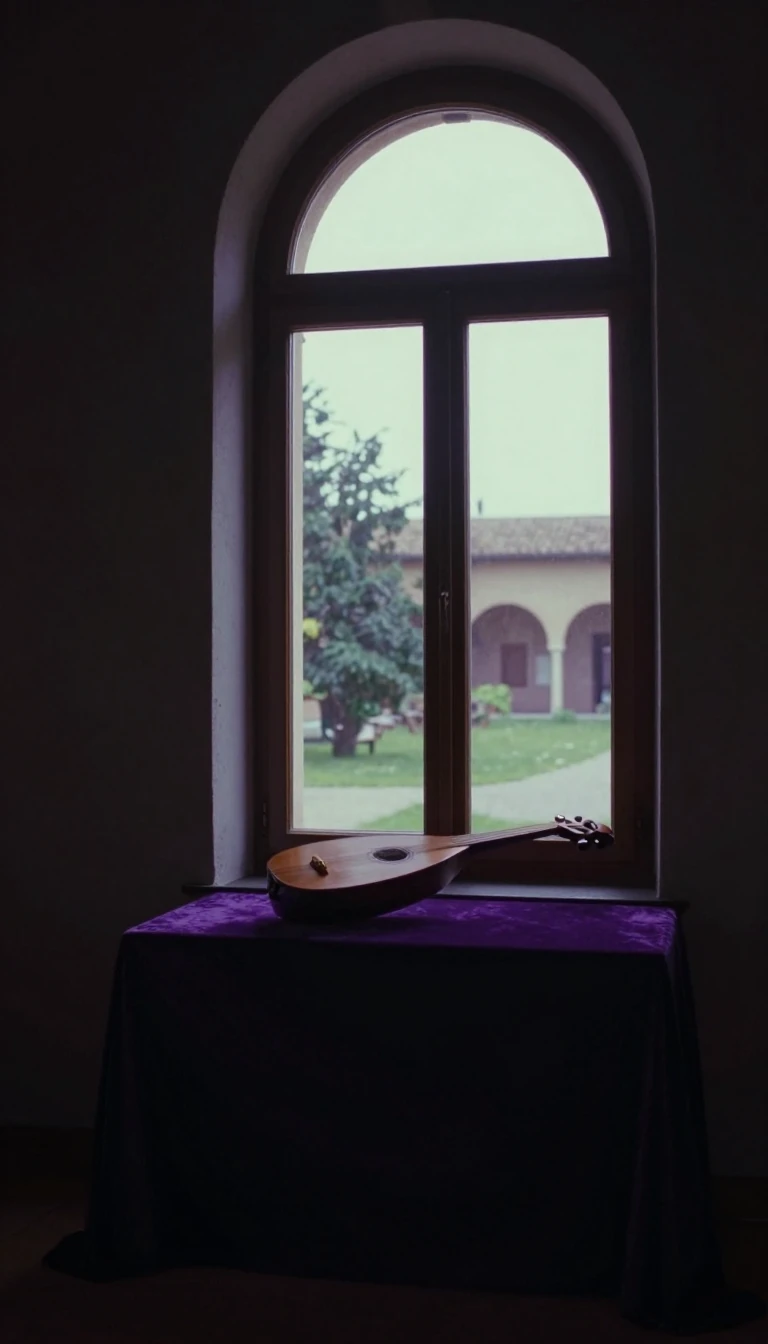
In short: Tomaso Albinoni was a celebrated Venetian composer of the Baroque era, yet his modern fame rests largely on the Adagio in G minor. While often dismissed as a twentieth-century musical hoax, recent archival discoveries suggest this haunting piece may have deeper, authentic roots than critics previously dared to imagine.
Born in 1671 to a wealthy paper merchant in Venice, Albinoni occupied a unique position in the musical landscape of his time. Unlike his contemporaries, he never sought a salaried position at a church or noble court, preferring to compose as an independent amateur. This financial freedom allowed him to produce a vast output of operas and instrumental music that earned him comparisons to legends like Vivaldi and Corelli.
Albinoni’s instrumental legacy is substantial, comprising 99 sonatas, 59 concerti, and 9 sinfonie. He was a pioneer in his field, becoming the first Italian composer to publish concerti featuring the oboe as a solo instrument around 1715. His influence reached as far as Weimar, where Johann Sebastian Bach studied his harmonic structures and composed multiple fugues based on Albinoni’s themes. Despite this success, much of his life remains obscured by the destruction of the Dresden State Library during World War II, which claimed a significant portion of his manuscripts.
The mystery surrounding his most iconic work, the Adagio in G minor, has long divided musicologists. Long attributed to the twentieth-century musicologist Remo Giazotto, the piece was frequently labeled a forgery. However, the discovery of a manuscript fragment among Giazotto’s papers—bearing a stamp confirming its Dresden provenance—suggests that Giazotto likely based his composition on genuine, albeit fragmentary, source material from Albinoni. This finding offers a bridge between the composer’s historical reality and his modern reputation.
Albinoni died in Venice in 1751 at the age of 79. While he claimed to have written 81 operas, most are lost, leaving his instrumental collections as the primary window into his craft. Today, he is remembered not only for his melodic charm but as a composer whose work continues to spark debate, bridging the gap between the Baroque era and the modern imagination.
Opens the Intellect+ feed with this card first. Swipe up for the next one.
Sources
- Summary by Intellect · source: Tomaso Albinoni
- Also: www.britannica.com — Tomaso Giovanni Albinoni | Baroque, Oboe, Concertos | Britannica
To cite this card, link to https://intellectplus.co.uk/app/music-tomaso-albinoni.
How we source, check and correct cards: Editorial standards.
General information, not professional advice. Spotted an error? Flag the card or see corrections and complaints.
Intellect Plus is a visual educational discovery platform for exploring fascinating facts and ideas. Brain Food, Not Brain Rot. What is Intellect Plus?
Related
More in Musicians and composers · More in Music · Latest · A–Z · All topics
