How a Devout Catholic Became the Musical Architect of Elizabethan England
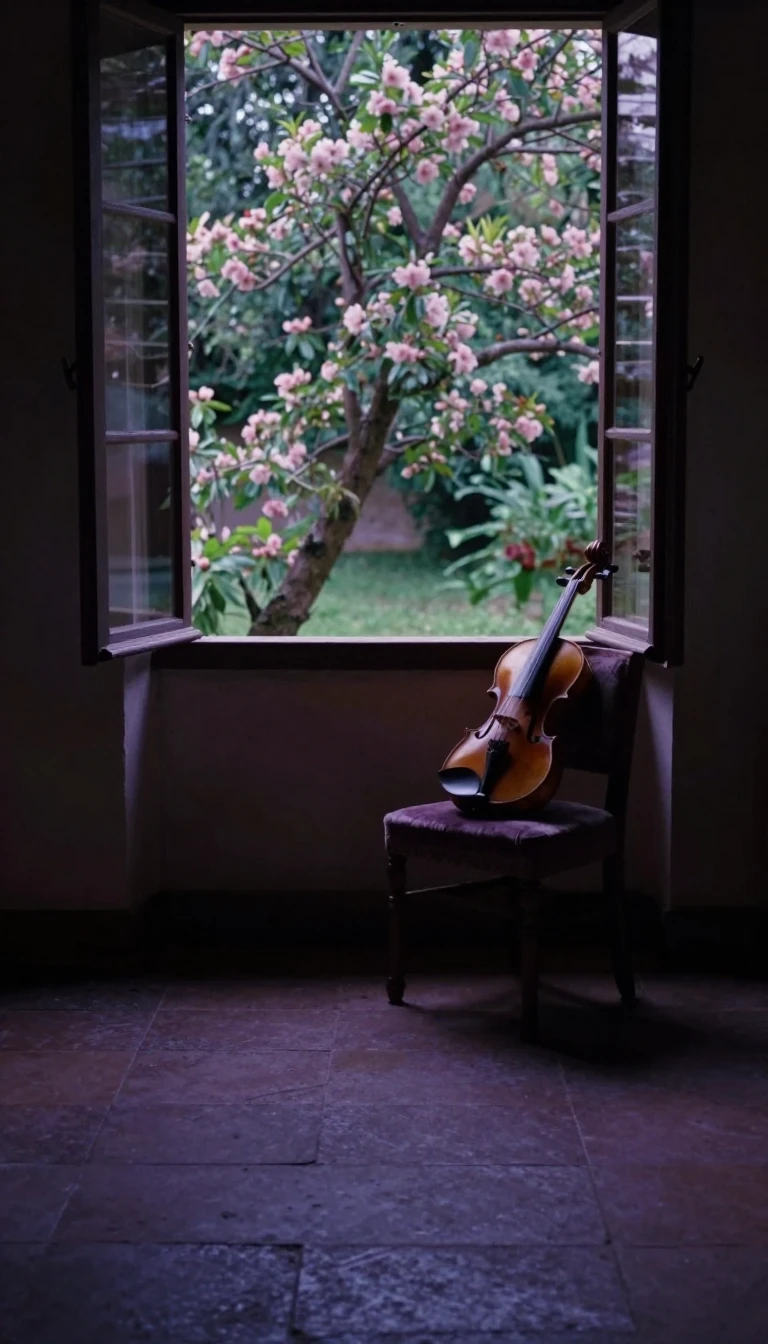
In short: William Byrd was a master of the English keyboard and a pioneer of the fantasia, yet he lived his life in the shadow of religious persecution. Despite his unwavering commitment to Roman Catholicism in a Protestant state, he remained a protected favorite of Elizabeth I, shaping the sound of an era.
Born around 1539 or 1540, William Byrd emerged as a central figure in the Shakespearean age. A protégé of the renowned Thomas Tallis, Byrd secured his first major appointment as organist at Lincoln Cathedral in 1563. By 1572, he had returned to London to join the Chapel Royal, where he and Tallis shared duties and eventually secured a lucrative, exclusive royal monopoly on music printing and paper sales in 1575. This partnership produced their 1575 collection of Cantiones sacrae, a landmark publication dedicated to the Queen.
Byrd’s life was defined by a complex duality. While he served the English crown, he was a lifelong Roman Catholic during an era when recusancy laws—penalties for refusing to attend Anglican services—were strictly enforced. In 1577, he moved his family to Harlington, likely seeking the privacy of the countryside to practice his faith. Despite his close social ties to Catholics involved in treasonous activities, his own loyalty to the government remained unquestioned. He maintained a consistent output of high-quality Latin sacred music, often composed for the private edification of his fellow Catholics, while simultaneously contributing to the Anglican repertoire.
His musical legacy is immense. Byrd elevated the English keyboard style, influencing later composers like John Bull and Orlando Gibbons, and pioneered the freely composed fantasia for viol consort. Following the death of Tallis in 1585, Byrd entered a prolific period, publishing multiple collections of secular and sacred music. Even as he aged, he continued to innovate; his 1605 and 1607 Gradualia aimed to provide a comprehensive liturgical repertory for the Catholic mass. By the time he died in 1623 at Stondon Massey, he had cemented his reputation as one of the most significant composers in English history, having mastered nearly every musical medium of his time except the lute.
Opens the Intellect+ feed with this card first. Swipe up for the next one.
Sources
- Summary by Intellect · source: William Byrd | Biography, Compositions, Works, Music, & Facts | Britannica
- Also: William Byrd
To cite this card, link to https://intellectplus.co.uk/app/music-william-byrd.
How we source, check and correct cards: Editorial standards.
General information, not professional advice. Spotted an error? Flag the card or see corrections and complaints.
Intellect Plus is a visual educational discovery platform for exploring fascinating facts and ideas. Brain Food, Not Brain Rot. What is Intellect Plus?
Related
More in Musicians and composers · More in Music · Latest · A–Z · All topics
