Some predators win by looking like something harmless, not something dangerous
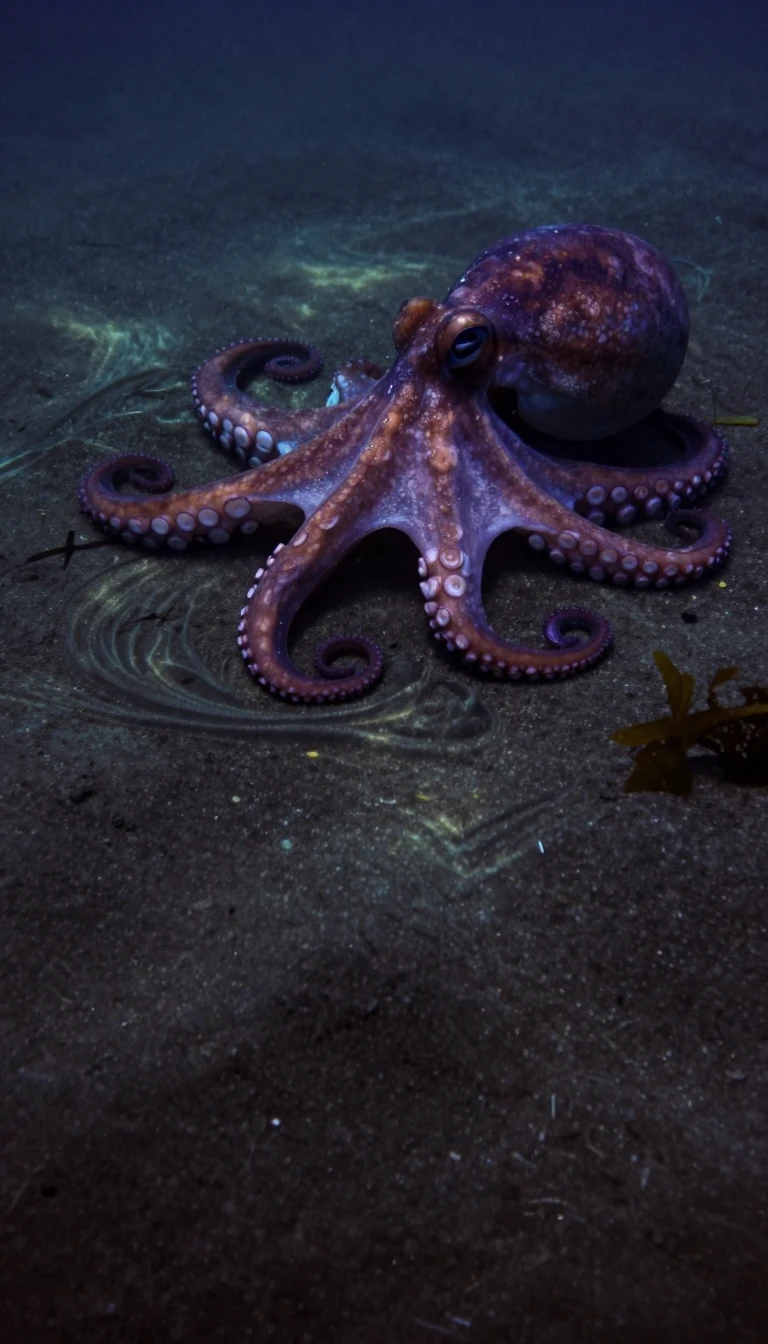
In short: A predator that resembles a harmless creature can approach its target unnoticed. Anglerfish dangle a wriggling lure that fish mistake for food, and female Photuris fireflies copy the flashes of males they then eat. This strategy, called aggressive mimicry, turns a signal of safety or reward into a trap.
Aggressive mimicry describes resemblance that a hunter or parasite uses to profit at another creature's expense. The copied model may be the victim's own kind of prey, or a species the victim does not see as a threat. The result is that the target is fooled into approaching, often because the signal seems to offer food or a mate. Several examples are well documented. Female fireflies of the genus Photuris imitate the mating flashes of Photinus fireflies, and the Photinus males who answer are eaten. The European cuckoo is a brood parasite whose eggs look like those of several small birds, so host parents accept them and rear the young cuckoos. The anglerfish has a small, mobile, wormlike organ on a slender rod that it waves in front of smaller fish, which take it for natural prey.
Some predators imitate a nonthreatening third party instead. The American zone-tailed hawk resembles certain nonaggressive vultures, which lets it get close enough to small animals to launch surprise attacks. In such cases the mimicry works because the prey does not expect danger from that kind of creature. The category is not always sharply defined. Zoologists distinguish aggressive mimicry from camouflage by how much the signal matters to the receiver, and that judgement can be fuzzy. Mixed signals also occur, where one part of the body sends a deceptive message while the rest stays hidden.
Aggressive mimicry is the opposite of defensive mimicry, in which the prey is the mimic and benefits from being avoided. Batesian mimicry copies a dangerous or unpalatable species, while Müllerian mimicry involves several harmful species sharing signals. In aggressive mimicry, the deceived receiver always pays the cost, whether that is being eaten or losing a chance to reproduce. Because the trick works best when a resource vital to survival is offered, the lure is usually food or sex, and in all known sexual signal mimicry it is the male who is deceived.
Opens the Intellect+ feed with this card first. Swipe up for the next one.
Sources
- Summary by Intellect · source: Aggressive mimicry | Predator-prey, Camouflage, Warning Coloration | Britannica
- Also: Aggressive mimicry
To cite this card, link to https://intellectplus.co.uk/app/nature-aggressive-mimicry.
How we source, check and correct cards: Editorial standards.
General information, not professional advice. Spotted an error? Flag the card or see corrections and complaints.
Intellect Plus is a visual educational discovery platform for exploring fascinating facts and ideas. Brain Food, Not Brain Rot. What is Intellect Plus?
Related
More in Arthropods · More in Nature · Latest · A–Z · All topics
