 Intellect Plus
Arthropods
223 cards. Each one is a 40-second story with a five-minute read behind it.
 The 75% of animal life you likely overlook every dayArthropods are the most successful architects of our planet's biodiversity. From garden spiders to deep-sea crustaceans, these jointed-leg invertebrates dominate nearly three-quar…
 The hidden engineers of soil health are more than just microbesWhen we talk about healthy soil, we often focus on invisible microbes. But beneath your feet lies a complex community of arthropods—tiny, multi-legged architects that play a vital…
 The secret history of silk is hidden in a moth's cocoonFor millennia, the world's most coveted fabric was a secret guarded by empires. While we see silk as a luxury of fashion, its origins lie in the biological engineering of the satu…
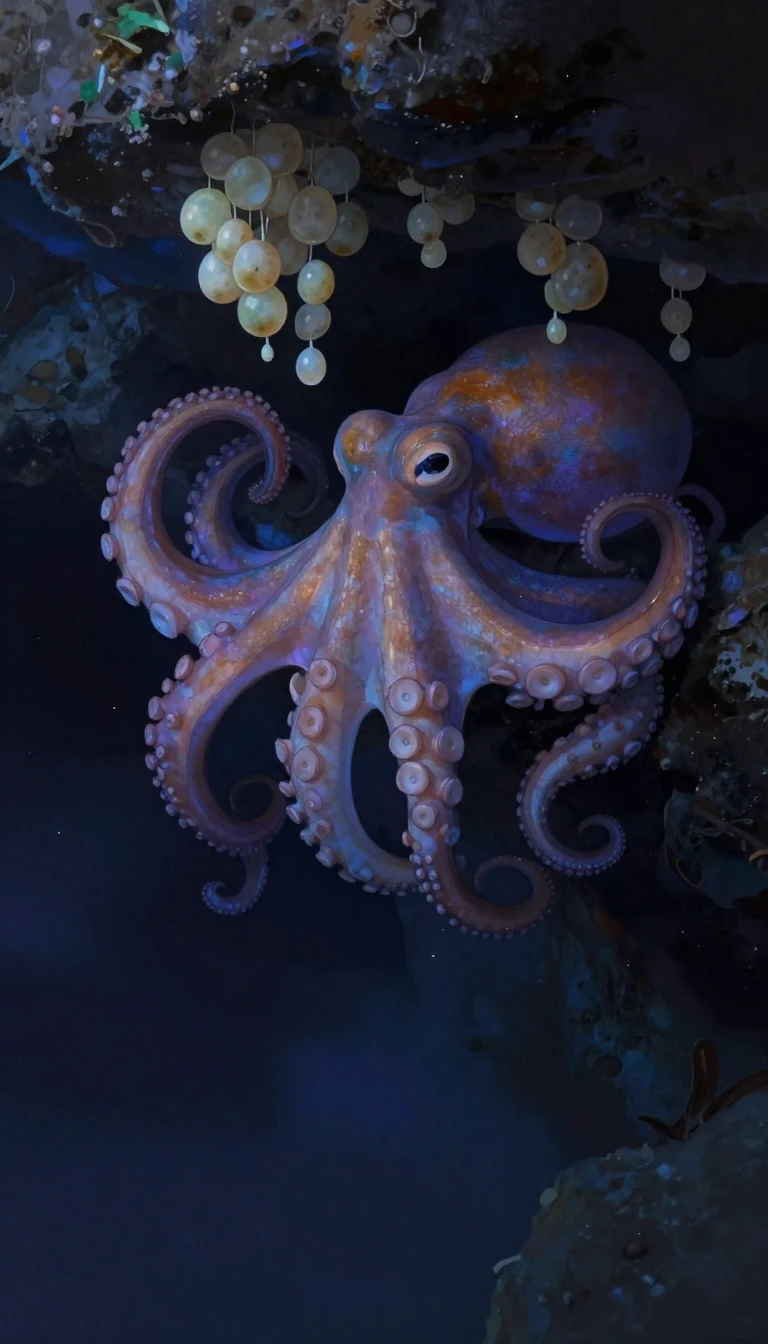 The biological paradox of growing inside a rigid suit of armorHow does an animal grow when its skeleton is a hard, non-living shell? Arthropods solve this through a high-stakes cycle of self-destruction and reconstruction. By periodically sh…
 The hidden world of Acariformes: mites that shape ecosystems and fuel poison frogsMites are far more than household pests. The superorder Acariformes contains hundreds of thousands of species, ranging from ancient soil-dwellers to plant-destroying parasites. So…
- The Greater Death's Head Hawkmoth is a master of honey-scented infiltration and mimicryWith a wingspan reaching 13 centimeters, the Acherontia lachesis is a formidable nocturnal visitor. Known as the bee robber, this moth possesses a unique ability to mimic the scen…
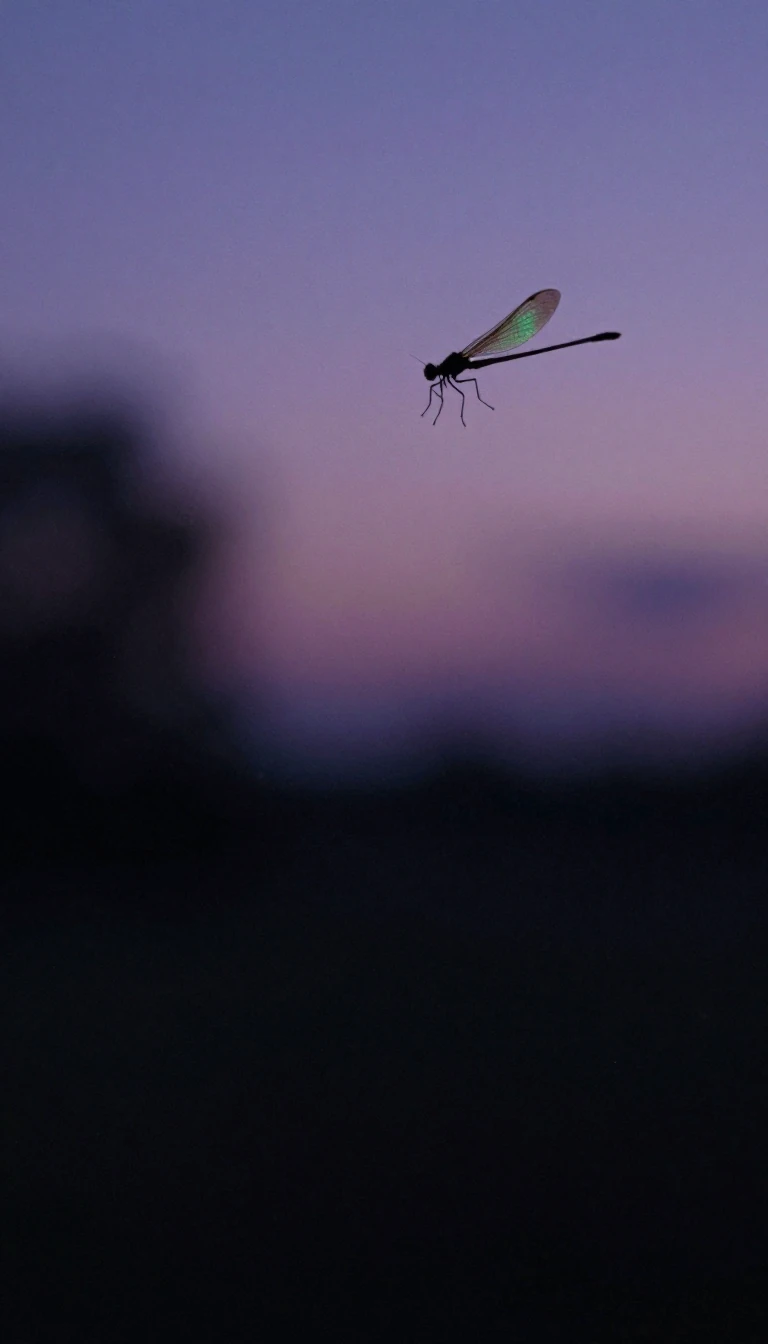 The yellow fever mosquito is a global traveler that thrives in your backyard containers.Known for the distinctive lyre-shaped marking on its thorax, Aedes aegypti is a highly adaptable mosquito that has spread from Africa to tropical and temperate regions worldwide. …
 Once considered cheap fertilizer, the American lobster is now a global culinary icon.The American lobster, a ten-legged crustacean, was once so abundant in colonial America that laws restricted feeding it to servants. Today, it is a multi-billion-dollar industry. …
 Was this bizarre Cambrian predator actually a fearsome hunter or a gentle scavenger?Anomalocaris was once considered the apex predator of the Cambrian seas, a metre-long terror with spiked arms and compound eyes. Yet, recent debates over its soft mouthparts and l…
 Why nature keeps reinventing the crab: the strange evolutionary phenomenon of carcinisationIf you see a crab with only eight visible legs, you are likely looking at an Anomuran. While true crabs belong to the Brachyura, Anomurans are a diverse group that repeatedly evol…
- The Anopheles mosquito is the only genus capable of transmitting human malaria parasitesWhile thousands of mosquito species exist, only the Anopheles genus carries the malaria parasite to humans. Named for the Greek word for useless, these insects have evolved unique…
 The antlion larva is a master of the pitfall trap and biological engineeringAntlions are a diverse family of roughly 2,000 insect species, famous for the predatory larvae that construct ingenious sand pits to ensnare passing ants. While these pit-building…
 The Arizona Blonde Tarantula Is a Desert Survivor With a Surprisingly Long LifeKnown for its pale, hair-covered carapace and docile temperament, the Arizona blonde tarantula is a master of desert adaptation. These spiders thrive in harsh environments, utiliz…
 The hidden engineering behind the frothy bubbles of the humble spittlebugYou have likely seen them in your garden: tiny, mysterious mounds of white foam clinging to plant stems. These are the work of the Aphrophoridae, a family of insects known as spit…
 The Giant African Millipede Is a Master of Nutrient Recycling and Chemical DefenseGrowing up to 33.5 centimetres long, the giant African millipede is the world's largest extant millipede. Beyond its impressive size, this docile creature serves as a vital decomp…
 The Argentine ant has conquered the globe by abandoning its own natural instincts.While most ant species are fiercely territorial, the invasive Argentine ant thrives by ignoring its own kind. By forming massive, non-aggressive supercolonies that span entire con…
 These parasitic crustaceans are not lice, but masters of aquatic attachment and survivalCommonly called carp lice, the family Argulidae are actually specialized crustaceans known as Branchiurans. These obligate ectoparasites use sophisticated suction cups or hooked a…
 The Arizona bark scorpion is a desert survivor that can climb your wallsThis tiny, light brown arachnid is the most venomous scorpion in the United States. While it prefers the arid Sonoran Desert, it is uniquely adapted to thrive in residential areas…
 Army ants are not just a swarm; they are a single, nomadic, living organism.Army ants do not build permanent homes. Instead, they form living nests called bivouacs by linking their bodies together. These colonies, which can contain up to 15 million indivi…
- The noble crayfish is a keystone species currently fighting for its survival in EuropeOnce a prized delicacy for Swedish nobility and a staple of European freshwater ecosystems, the noble crayfish is now a vulnerable species. Threatened by invasive rivals and a dea…
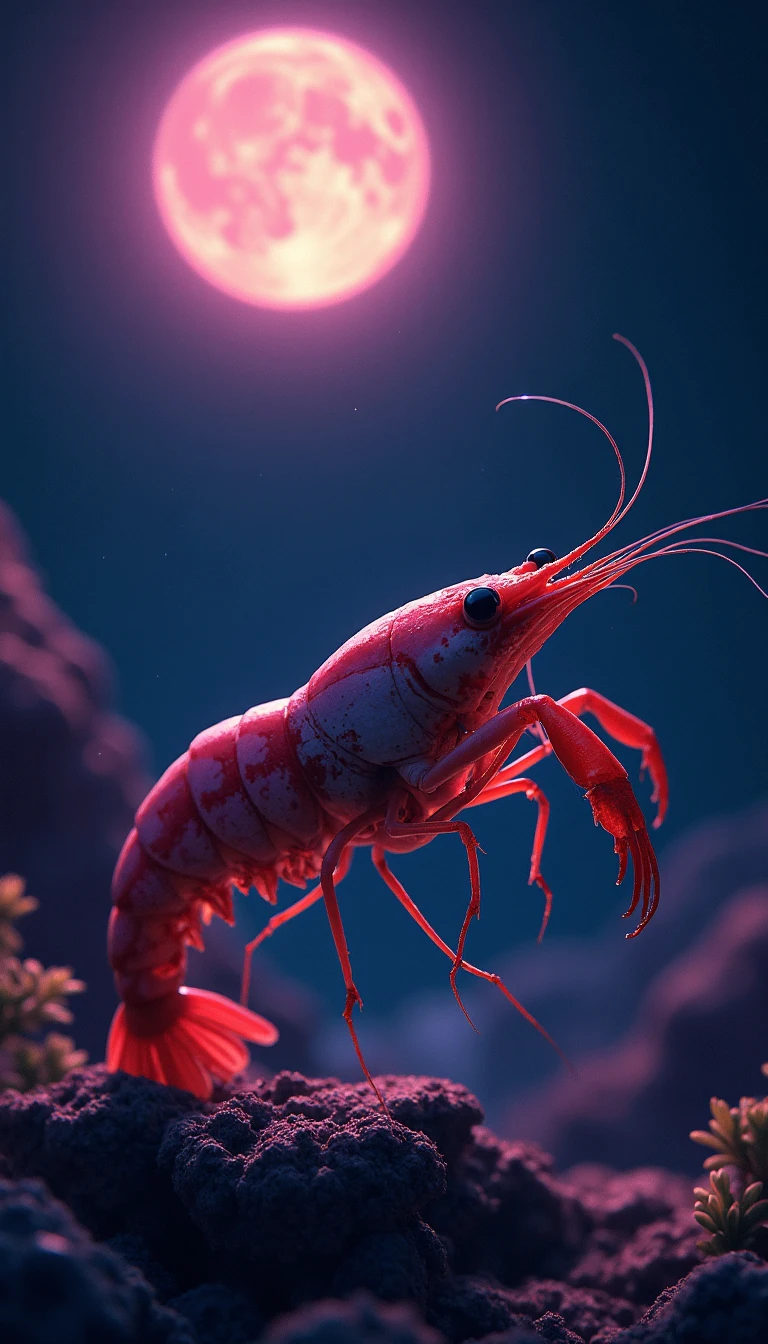 The ghost shrimp is not a shrimp, but a master of ocean floor architecture.Often called mud or ghost shrimp, the infraorder Axiidea consists of decapod crustaceans that are only distantly related to true shrimp. These burrowing experts are essential to m…
 Meet the world’s only mostly vegetarian spider, a master of botanical theftVirtually all 40,000 spider species are predators that liquefy their prey. Bagheera kiplingi, a jumping spider found in Mexico and Central America, is the sole exception. It survi…
- The giant water bug is a fierce predator that carries its own youngKnown as toe-biters, these massive insects are the largest in their order, reaching lengths of over 12 centimeters. They are ambush predators that liquefy their prey with powerful…
 Birdwings are giant, toxic butterflies that use complex light-bending tricks to dazzle potential mates.Named for their impressive size and birdlike flight, birdwings are among the world's largest butterflies. These insects are masters of survival, utilizing chemical warfare, specia…
 Why these beetles pack a chemical punch that can turn hay into a toxin.Blister beetles are a group of approximately 2,500 species defined by their ability to secrete cantharidin, a potent substance that causes skin blistering. While these insects are…
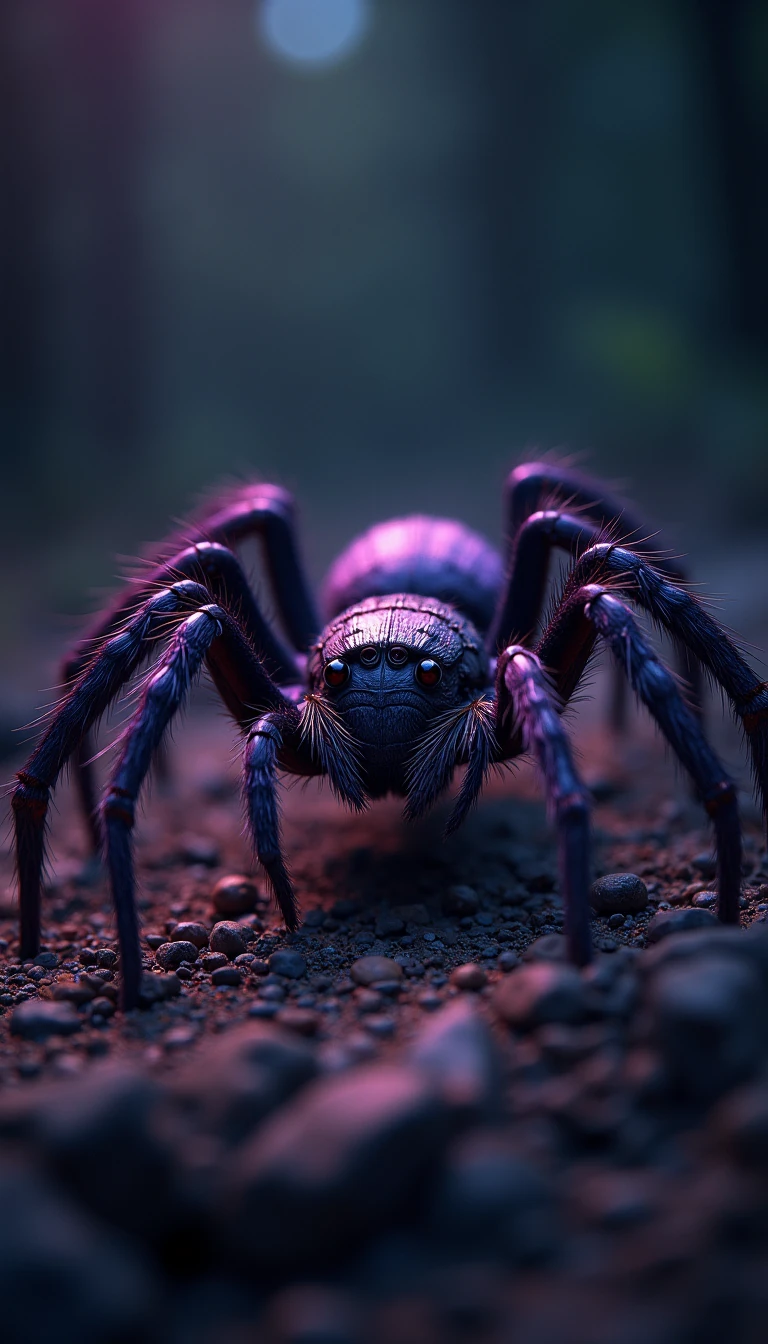 The Mexican redknee tarantula was hiding in plain sight for over a centuryFor decades, the iconic Mexican redknee tarantula was misidentified as a different species. While enthusiasts prized the spider, scientists struggled to distinguish it from its lo…
- Branchiopods are ancient survivors that can turn frozen or dried eggs into lifeThese primitive crustaceans, including water fleas and fairy shrimp, have thrived since the Devonian period. By mastering the art of dormancy, they survive extreme environments th…
- Why the brown recluse spider is North America's most misunderstood and feared arachnidThe brown recluse is one of the continent's most dangerous spiders, yet its reputation is inflated by widespread misidentification. While its venom can cause severe skin ulcers, f…
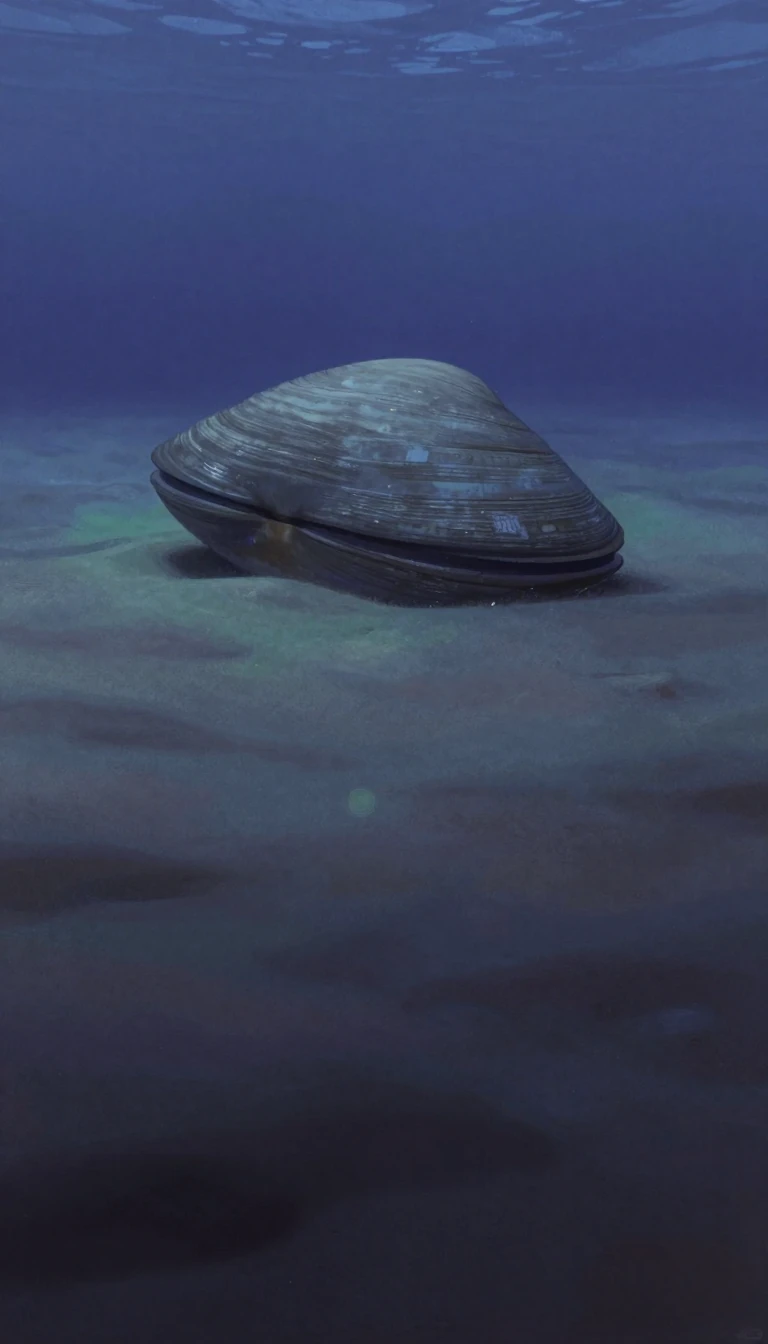 This ancient marine arthropod walked the Cambrian seafloor with a protective bivalved shieldLong before modern crustaceans evolved, Canadaspis roamed the ocean floor as a specialized benthic feeder. This bivalved arthropod used a complex array of limbs to stir up nutrien…
- The brown crab is a master of the sea, wearing a pie crust shell.Known for its distinct pie-crust-edged carapace and black-tipped claws, the brown crab is a formidable predator of the North Atlantic. These nocturnal scavengers grow by shedding …
 The European green crab is a global invader currently being turned into dinner.Carcinus maenas is a highly successful invasive species that has colonized coastlines across the globe. From North America to Australia, this resilient crab disrupts local ecosyst…
- The black-headed cardinal beetle uses a toxic chemical gift to secure its mating successThe black-headed cardinal beetle is a striking, blood-red insect that relies on a bizarre courtship ritual. To win over a mate, males present a specialized cranial structure fille…
- True shrimp are not prawns, and their secret lies in their overlapping abdominal segments.While often confused with prawns, true shrimp belong to the infraorder Caridea. These resilient creatures inhabit nearly every aquatic environment on Earth, from deep-sea trenches…
 The cat flea is a global traveler that prefers your cat over your dogDespite their name, cat fleas are the most common parasite found on both cats and dogs worldwide. These wingless insects originated in Africa but have successfully colonized the g…
- The elusive Blue Moon crayfish was hiding in plain sight within the aquarium tradeBefore scientists officially described Cherax pulcher, the species was already a global sensation in the aquarium trade. Known by names like Blue Moon and Irian Jaya, this vibrant…
 Why the Bering Sea snow crab population plummeted by eighty-four percent in four yearsThe snow crab, a cold-water crustacean essential to northern ecosystems and global seafood markets, has faced a catastrophic collapse. Between 2018 and 2022, populations in the Be…
- Millions of red crabs transform a tropical island into a moving, crimson landscape annually.Every year, millions of Christmas Island red crabs abandon their forest burrows for a synchronized, island-wide trek to the sea. This legendary migration is dictated by the lunar …
- Water fleas are ancient, resilient crustaceans that have mastered the art of survival.Commonly known as water fleas, Cladocera are tiny, aquatic crustaceans that thrive in freshwater environments. Despite their small size, these organisms possess a remarkable survi…
- Why these tiny crustaceans perform a rhythmic dance to attract their dinner guestsCleaner shrimp are not just reef scavengers; they are skilled service providers. By operating cleaning stations, these crustaceans remove parasites and dead tissue from fish, prov…
- Checkered beetles are voracious predators that can consume several times their body weight daily.Known as checkered beetles, the family Cleridae is a diverse group of predators found worldwide. While some species act as scavengers or pollen feeders, many are highly efficient …
- Why your wool sweater is actually a gourmet meal for a tiny mothClothes moths are not just pests; they are biological marvels capable of digesting keratin, the tough protein found in silk, wool, and fur. While most scavengers pass over these m…
- The Seven-Spotted Lady Beetle is a highly effective, accidental immigrant to North America.Originally from Europe, the seven-spotted lady beetle was accidentally introduced to North America in the early 1970s. Since then, this voracious aphid predator has spread across …
- Why the noisy May bug is actually a misunderstood giant of the soilOften mistaken for a stinging pest, the cockchafer is a harmless, fan-antennaed beetle that spends most of its life underground. Though they occasionally tumble down chimneys, the…
 Why the UK just declared victory over a tiny, striped, potato-loving agricultural nightmareThe Colorado potato beetle is a formidable pest capable of stripping entire fields bare. After a 2023 outbreak in Kent, the UK launched a massive, multi-agency effort to prevent t…
- The master of disguise hiding in plain sight across North American forestsThe common walkingstick is a master of mimicry, evolving to resemble a simple twig to evade detection. Though widespread across North America, these wingless insects remain elusiv…
 The Cooloola monster is a subterranean predator hiding beneath the sands of QueenslandDeep within the soil of Queensland, Australia, lives a creature so elusive it is rarely seen by human eyes. Known as the Cooloola monster, this subterranean insect belongs to a un…
- The Asian subterranean termite is a global traveler that destroys homes from the insideOften confused with its cousin the Formosan termite, the Asian subterranean termite is a formidable pest that has hitched rides on boats to colonize new continents. These insects …
- Why these sap-sucking insects are known as leaf-footed bugs and twig-wiltersThe Coreidae family is a diverse group of over 1,900 insect species found worldwide. Ranging from tiny bugs to some of the largest in their suborder, they are known for their uniq…
- The lesser water boatman is a master of aquatic navigation and liquid digestionCommonly found in ponds and slow-moving rivers, the Corixidae family of insects are expert swimmers that navigate right-side up. These aquatic creatures, known as lesser water boa…
- The humble brown shrimp's population is strangely linked to the sun's activity cyclesCrangon crangon, the common brown shrimp, is a master of disguise that spends its days buried in the sand. Beyond its culinary fame in Europe, this small crustacean exhibits a biz…
- Meet the blind, twenty-one-legged centipedes thriving in the shadows of the forest floorCryptopidae are a distinct family of scolopendromorph centipedes defined by their lack of sight and a consistent physical structure. While often grouped with other centipede famil…
- Cuckoo bees are nature's master thieves, stealing nests and resources to raise their young.Named for the bird that lays eggs in others' nests, cuckoo bees are solitary insects that practice brood parasitism. They do not build their own homes or collect pollen. Instead, …
- The Culex mosquito is a global powerhouse of disease transmission and biological adaptationWith roughly 770 species found on every continent except Antarctica, the Culex genus is the world's most widespread mosquito. These insects are more than just biting nuisances; th…
- Why these tiny comma-shaped crustaceans are the ocean's most overlooked success storyKnown as hooded or comma shrimp, cumaceans are small, sediment-dwelling crustaceans found on every continent. Despite their modest size, they play a vital role in marine food chai…
 With 77,000 species, the Curculionidae family is the largest animal group on Earth.Commonly known as snout beetles or true weevils, these insects are defined by their distinctive, often elongated, rostrums. While they are notorious garden pests, their evolutiona…
- Why these insects evolved to look exactly like decaying, brown forest debrisThe dead leaf mantis is not a single species, but a masterclass in evolutionary mimicry shared by several distinct groups. By perfectly imitating the texture and color of withered…
- The Terrible Crabs of the Cambrian: Meet the Ocean's First Apex PredatorsBefore modern arthropods dominated, the Dinocaridida ruled the seas. These bizarre, soft-bodied creatures, whose name translates to terrible crabs, featured specialized frontal ap…
- Meet the blind, subterranean hexapods that have thrived for millions of years undergroundHidden beneath your feet in moist soil and leaf litter live the diplurans. These tiny, eyeless creatures are not insects, though they share a six-legged body plan. With their myst…
- The diving bell spider builds its own underwater gill to breathe without surfacingMost spiders avoid water, but Argyroneta aquatica has mastered it. By spinning a silk dome and filling it with air bubbles trapped in its body hairs, this spider creates a permane…
- Why the dog flea is losing its title as the world's top canine parasiteThough named for our canine companions, the dog flea is increasingly being outcompeted by its close relative, the cat flea. While the dog flea remains common in the developing wor…