Why do some lakes survive for millions of years while others vanish in a blink?
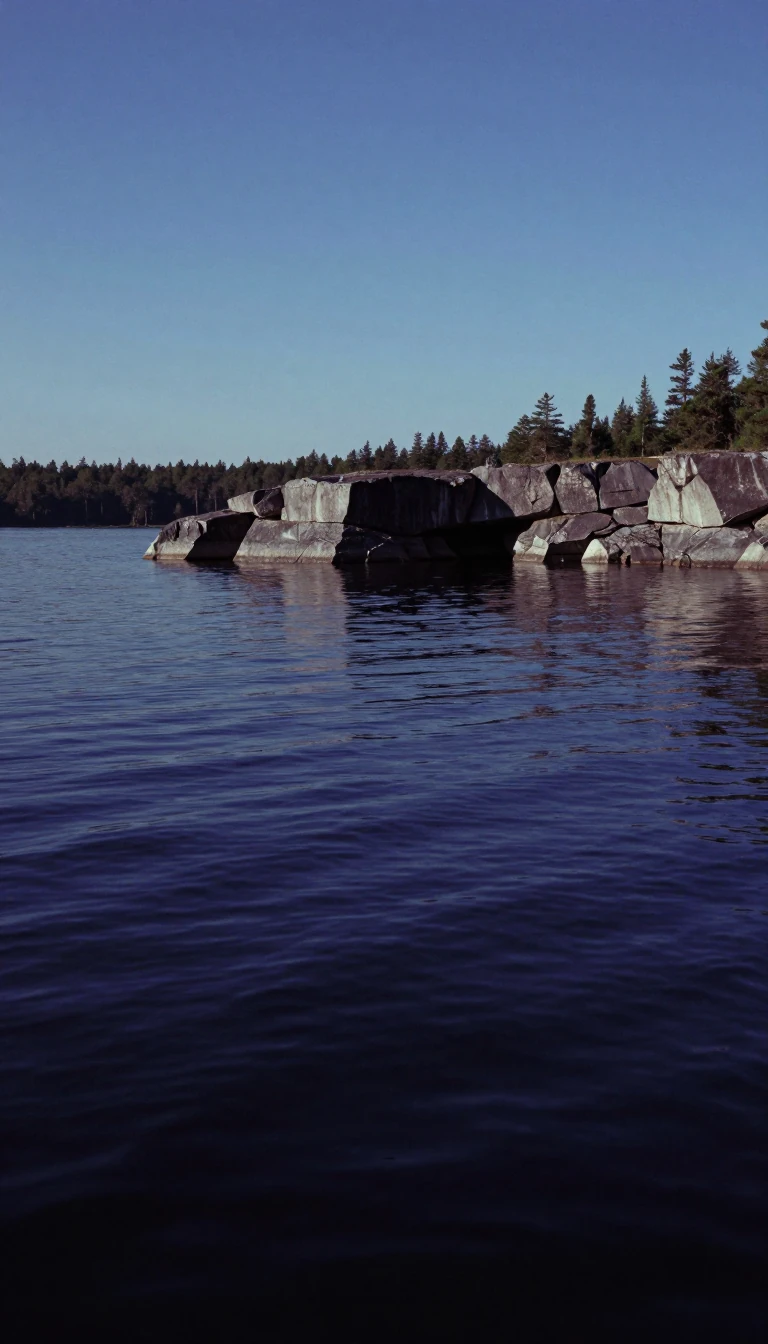
In short: Most of the world's lakes are fleeting, disappearing within 18,000 years as sediment fills their basins. Yet, a rare group of ancient lakes has persisted for over a million years. These geological anomalies, sustained by active tectonic rift zones, serve as vital, isolated laboratories for studying evolution and environmental change.
While typical lakes are ephemeral features of the landscape, ancient lakes are defined by their remarkable longevity, having held water continuously for at least one million years. There are only 20 such bodies of water globally. Their survival is largely attributed to their location within active rift zones, where the Earth's crust pulls apart to create deep, subsided land structures known as grabens. These deep basins are difficult to fill with sediment, allowing the lakes to resist the natural infilling process that eventually claims most other lakes.
The age of these water bodies varies significantly. Lake Baikal in Russia is widely recognized as the oldest, with evidence dating it to between 25 and 30 million years ago. Other candidates, such as Lake Zaysan, may be even older, potentially reaching back 66 to 70 million years to the Cretaceous period, though this remains a subject of scientific debate. Lake Maracaibo is also frequently cited as an ancient contender, though its current status as a saline, sea-connected bay complicates its classification as a true lake.
Because these lakes remain isolated for such vast stretches of time, they provide unique opportunities for scientists to observe evolutionary processes like adaptive radiation and sexual selection. Researchers often focus on the endemic species and diatoms found in these environments, particularly within the African Great Lakes, the Caspian Sea, and Lake Baikal. By studying the layers of sediment and environmental facies within these deep basins, scientists can reconstruct how the climate has shifted over millions of years, offering a window into the long-term history of our planet.
Opens the Intellect+ feed with this card first. Swipe up for the next one.
Sources
- Summary by Intellect · source: Ancient lake
To cite this card, link to https://intellectplus.co.uk/app/nature-ancient-lake.
How we source, check and correct cards: Editorial standards.
General information, not professional advice. Spotted an error? Flag the card or see corrections and complaints.
Intellect Plus is a visual educational discovery platform for exploring fascinating facts and ideas. Brain Food, Not Brain Rot. What is Intellect Plus?
Related
More in Physical geography · More in Nature · Latest · A–Z · All topics
