Volcanic crater lakes are geological time bombs that can hold record-breaking depths of water.
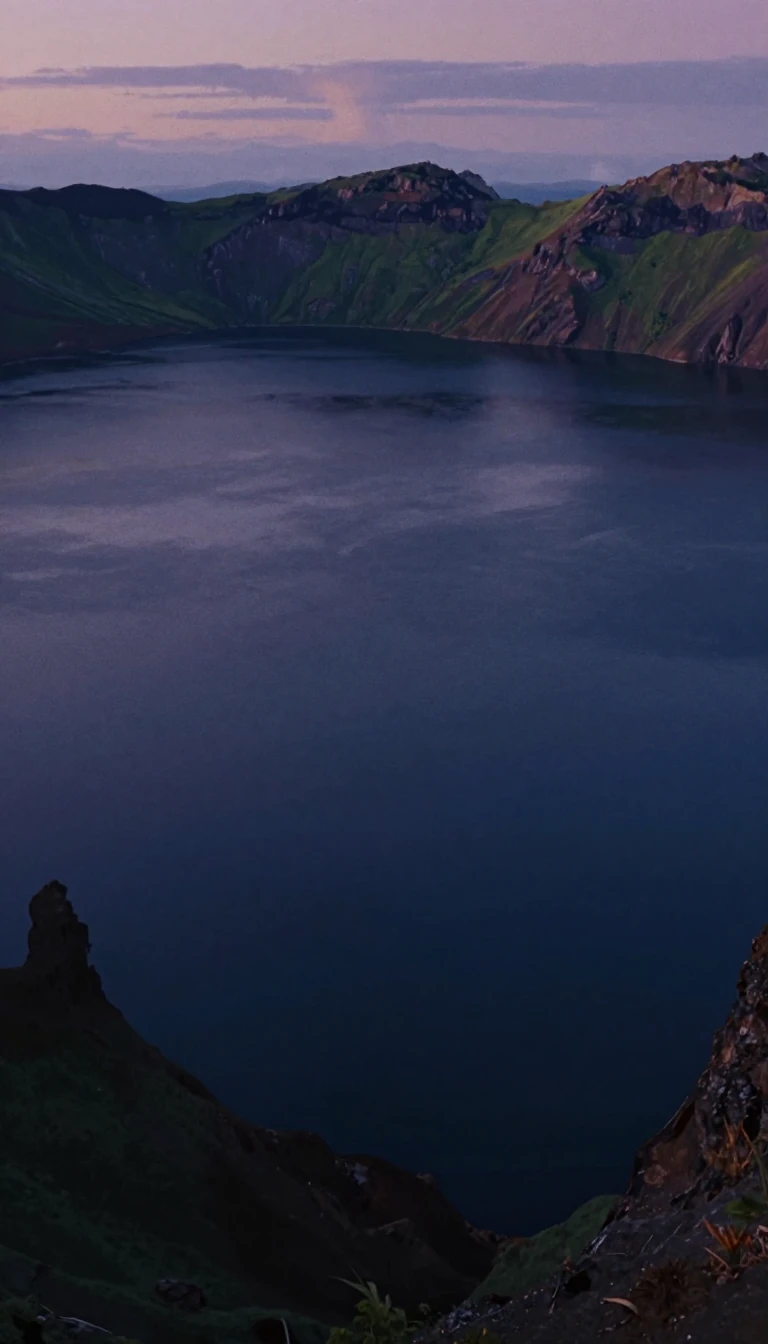
In short: Formed by explosive eruptions or the collapse of volcanic peaks, crater lakes are more than just scenic basins. They are dynamic, often unstable systems where hydrothermal fluids, rain, and snow gather. From the deepest lake in the United States to deadly gas-releasing basins, these features define volatile landscapes.
Crater lakes emerge when depressions created by volcanic activity—whether through explosive force or the structural collapse of a caldera—fill with water. These basins are replenished by precipitation, groundwater, or melting ice. The water level typically stabilizes when the rate of inflow matches losses from evaporation, seepage, or surface overflow. If a lake is contained by a natural volcanic dam, the erosion of that barrier can lead to catastrophic outburst floods, a risk shared by many natural dam structures.
The character of these lakes varies wildly based on their origins. While many are cold, freshwater bodies, others are warm and highly acidic due to hydrothermal activity. Some even evolve into soda lakes. Their longevity is equally diverse; while some exist only intermittently, others like Indonesia's Lake Toba, which formed approximately 75,000 years ago, are massive and enduring. Toba currently holds the title of the world's largest crater lake, spanning 100 by 30 kilometres.
Despite their beauty, these lakes can be hazardous. In 1986, a massive gas discharge from Lake Nyos in Cameroon resulted in the deaths of 1,800 people. Others, such as the lake atop Mount Ruapehu in New Zealand, frequently trigger destructive lahars. Conversely, some are remarkably pristine, such as Oregon's Crater Lake, which is fed exclusively by rain and snow with no surface inflow or outflow, making it one of the clearest bodies of water on Earth.
It is important to distinguish true crater lakes from other volcanic water bodies. Features like Garibaldi Lake in Canada or the Fuji Five Lakes in Japan are formed by lava flows damming water outside the volcanic edifice, rather than filling a crater directly. Similarly, atoll lagoons and plunge pools in volcanic canyons are distinct from the specific geological formation of a crater lake, which must reside within the volcanic structure itself.
Opens the Intellect+ feed with this card first. Swipe up for the next one.
Sources
- Summary by Intellect · source: Volcanic crater lake
To cite this card, link to https://intellectplus.co.uk/app/nature-volcanic-crater-lake.
How we source, check and correct cards: Editorial standards.
General information, not professional advice. Spotted an error? Flag the card or see corrections and complaints.
Intellect Plus is a visual educational discovery platform for exploring fascinating facts and ideas. Brain Food, Not Brain Rot. What is Intellect Plus?
Related
More in Water · More in Nature · Latest · A–Z · All topics
