The antelope jackrabbit is a desert sprinter that thrives in surprisingly humid conditions.
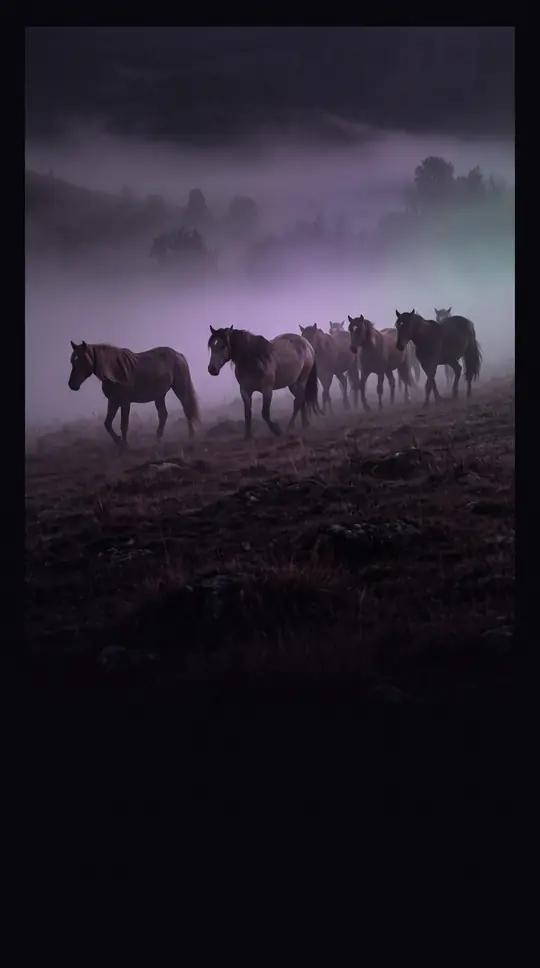
In short: Often called the handsomest of all hares, the antelope jackrabbit is a large, nocturnal desert dweller. Despite its arid home, it prefers humidity and can reach speeds of 45 miles per hour. This elusive creature, once considered an agricultural pest, remains a fascinating subject of ongoing evolutionary debate.
Formally described in 1890 by naturalist Edgar Alexander Mearns, the antelope jackrabbit (Lepus alleni) is a striking inhabitant of southern Arizona and northwestern Mexico. It is distinguished by its large size, reaching up to 9 pounds, and its exceptionally long ears, which feature white tips and edges. Unlike many desert animals, this hare prefers habitats with mesquite overstory and grassy ground cover, specifically seeking out areas with summer precipitation between 90 and 360 millimeters. It is notably more tolerant of humidity than its relative, the black-tailed jackrabbit.
The evolutionary lineage of the antelope jackrabbit has been a subject of scientific scrutiny. While early 2014 research suggested a common ancestry shared with the white-sided and Tehuantepec jackrabbits, a 2024 phylogenetic study using a broader range of genetic data identified the black-tailed jackrabbit as its closest living relative. These animals are highly adapted for survival, capable of running at speeds estimated at 72 kilometers per hour. Their diet is primarily herbivorous, consisting of grasses, leaves, and cacti, though they have been observed consuming soil to supplement their mineral intake.
Today, the species faces various pressures, including habitat loss due to agricultural expansion and livestock grazing, which depletes the vegetation they rely on. While the species is classified as least concern, specific populations like the subspecies L. a. tiburonensis are highly isolated on Tiburón Island, with an estimated population of only 4,300 individuals. These hares are crepuscular or nocturnal, though they may emerge during the day under heavy cloud cover. As they continue to be studied, researchers remain focused on understanding their complex population dynamics and their ecological relationship with the black-tailed jackrabbit.
Opens the Intellect+ feed with this card first. Swipe up for the next one.
Sources
- Summary by Intellect · source: Antelope jackrabbit
- Also: iNaturalist — Antelope Jackrabbit (Lepus alleni) · CC BY-SA 4.0 (Wikipedia summary)
To cite this card, link to https://intellectplus.co.uk/app/nature-antelope-jackrabbit.
How we source, check and correct cards: Editorial standards.
General information, not professional advice. Spotted an error? Flag the card or see corrections and complaints.
Intellect Plus is a visual educational discovery platform for exploring fascinating facts and ideas. Brain Food, Not Brain Rot. What is Intellect Plus?
Related
More in Vertebrates · More in Nature · Latest · A–Z · All topics
