 Intellect Plus
Vertebrates
970 cards. Each one is a 40-second story with a five-minute read behind it.
 Seeing through stone to reveal the anatomy of prehistoric giantsDiscover how X-ray imaging allows paleontologists to peer inside fossilized remains without disturbing the delicate structures of ancient bones.
 Before birds took to the sky, reptiles ruled the air for millions of yearsBirds did not invent vertebrate flight; they inherited a kingdom already dominated by pterosaurs. These prehistoric reptiles mastered powered flight using unique wing structures a…
 The fossil record of land vertebrates may be missing its first chaptersWe long thought we understood how fish first developed limbs to walk on land. However, new evidence from Poland suggests our timeline is wrong. These tracks reveal that four-legge…
 The improbable oceanic voyages that built Madagascar's unique wildlifeMadagascar is an evolutionary masterpiece of isolation, yet its most famous residents have relatives on distant continents. How did they get there? The answer involves a series of…
 How fragile, wet newcomers dethroned the world's first land rulersFor over 100 million years, arthropods owned the Earth. Giant scorpions the size of cats and dragonflies patrolling the skies ruled a world where vertebrates were non-existent. Ye…
 Are California's wildlife moving to escape a changing climate?Scientists are re-surveying California's terrestrial vertebrates to see how they have shifted since the early 1900s. This video explores whether these movements are a collective r…
 The backbone of life: how vertebrates mastered the animal kingdomFrom the deepest oceans to the highest peaks, vertebrates dominate the planet. While their diverse forms—from fish to birds—seem vastly different, they share a sophisticated inter…
 How large bony animals claimed their place in the tree of lifeThis documentary explores the evolutionary journey of vertebrates, examining how these complex animals emerged and diversified. It provides a deep dive into the biological transit…
 The world's most trafficked mammal is a shy, scaly rollerImagine an animal that rolls into a ball to hide its belly, using scales made of the same keratin as your fingernails. The Sunda pangolin is a master of defense and a specialist i…
- The Illinois town that became the face of a fictional Pennsylvania villageDespite being the primary filming location for the 1993 classic Groundhog Day, Woodstock, Illinois, is not actually located in Pennsylvania. Producers chose its quintessentially A…
 The ostrich mimic that could outrun its own shadowsImagine a dinosaur built for pure velocity. Struthiomimus, the "ostrich mimic," was a long-legged, toothless biped that traded heavy armor for extreme speed. It navigated the Late…
 A prairie indicator species once nearly erased by predator controlThe swift fox is more than a small, cat-sized predator of the Great Plains. It serves as a biological barometer for the health of grassland ecosystems. Once pushed to the brink of…
- The 'white dodo' of Réunion was actually a lonely ibisFor centuries, naturalists debated the identity of a mysterious white bird from the island of Réunion. Was it a dodo relative or a phantom of the imagination? The truth, unearthed…
 The ghost of the prairie: a wolf that refused to vanishOnce thought extinct in 1926, the Great Plains wolf was a formidable predator capable of bringing down massive bison. While it appeared to disappear from the wild, genetic secrets…
 The 'Children of India' who shaped the Hungarian cultural fabricFrom the northwestern regions of India to the heart of Central Europe, the Romani people have navigated a complex history of migration, labor, and cultural synthesis. While they c…
 The bird that uses falcons as bodyguards to raise its youngIn a bizarre twist of interspecies cooperation, the red-billed chough has learned to nest near predatory falcons. While most birds flee from these raptors, the chough thrives in t…
 The geological layers that preserved a dinosaur worldDeep beneath the Alberta landscape lies a 40-meter thick record of the Late Cretaceous. These light-colored sandstones aren't just rocks; they are the preserved remnants of ancien…
- The only pinniped species to move deep into forestsWhile most sea lions remain tethered to the shoreline, the New Zealand sea lion behaves differently. To protect their young from predators and harsh weather, females lead their pu…
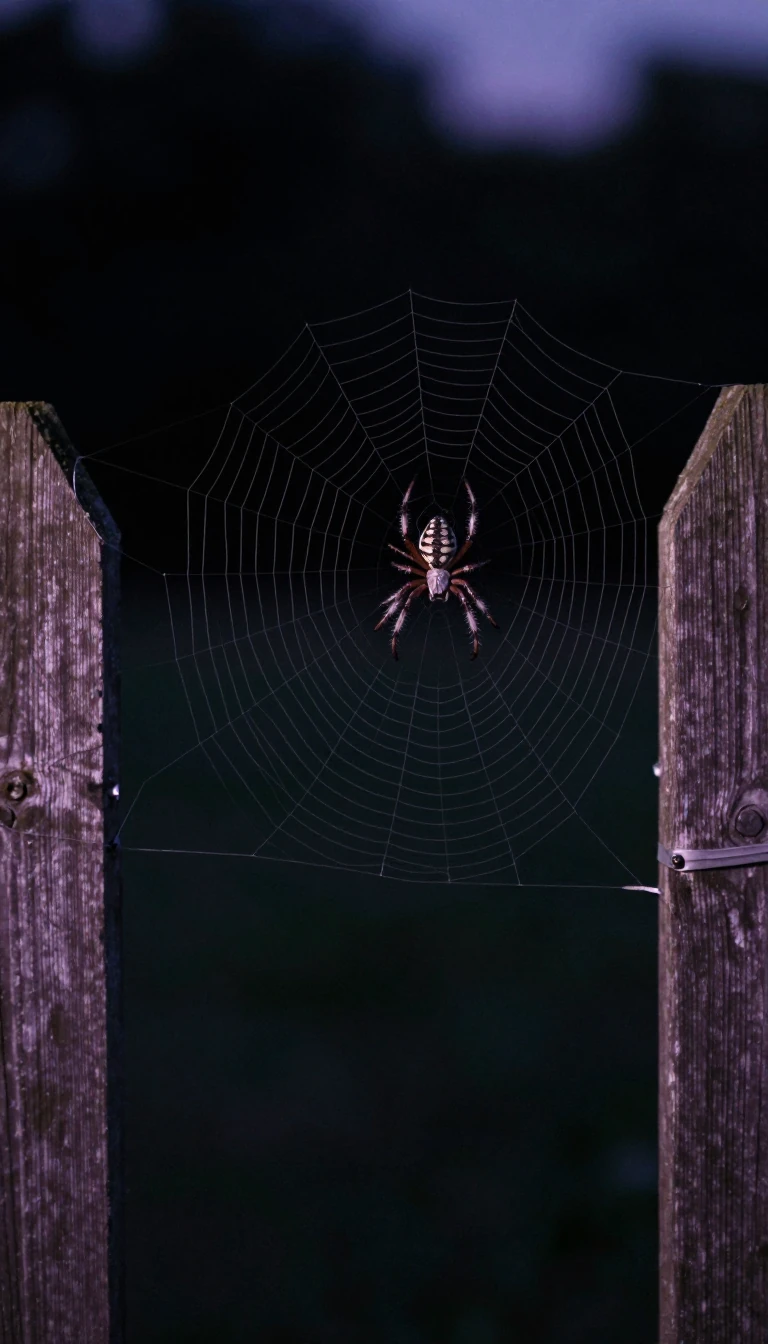 The 'Large Thief' that defied dinosaur classification for decadesFor years, scientists struggled to place Megaraptor on the tree of life. Was it a giant dromaeosaur, a cousin to the spinosaur, or a relative of the tyrannosaur? This 8-meter pred…
 From 1896 blueprints to robotic trimming: the evolution of the kit carBuilding a car from a box of parts isn't just a hobby; it's a century-old engineering tradition. From 19th-century magazine plans to modern robotic assembly, kit cars allow enthus…
 How a shifting climate sculpted the evolution of the African antelopeThe hartebeest is more than just a large antelope; it is a living map of Africa's climatic history. By tracing its genetic lineage, scientists have uncovered how ancient rainfores…
 The puffin's name was originally stolen from a fatty snackThe iconic name 'puffin' didn't start with these birds. It began as a culinary term for salted meat. Only later did the Atlantic puffin claim the title, and the horned puffin join…
 The owl that vanished for a century due to a stolen birdFor over 100 years, the forest owlet was considered a ghost of the Indian wilderness. Its disappearance wasn't just a natural tragedy; it was fueled by a museum heist and a delibe…
- The bird that sees everything but hides in plain sightThe Eurasian woodcock is a master of woodland stealth. With eyes positioned far back on its head, it possesses 360-degree monocular vision, allowing it to scan for predators while…
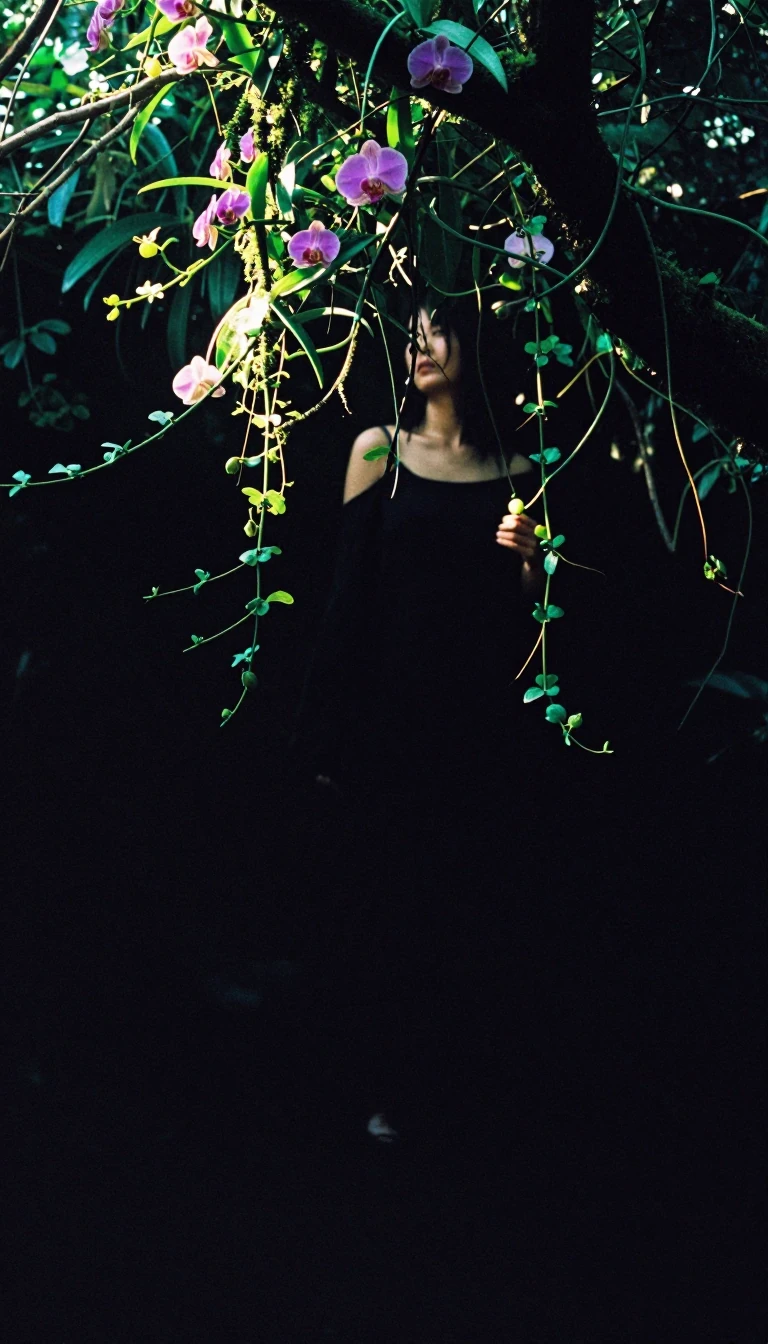 The botanical puzzle of the willowherbs and fireweedsNature often blurs the lines between species, creating a botanical labyrinth where plants hybridize and shift categories. The genus Epilobium showcases this complexity, moving bet…
 The botanical family that conquered the world's temperate gardensFrom the frost-touched fields of Europe to the extreme edges of Antarctica, the Caryophyllaceae family has mastered diverse climates. These plants possess a unique structural blue…
 A 40-foot dinosaur that might have been a herbivoreImagine a massive theropod that might have spent its days grazing instead of hunting. This extinct dinosaur from Cretaceous North Africa challenges our assumptions about meat-eate…
 The 'Elvisaurus' of Antarctica: A dinosaur with a pompadour crestDeep in the Antarctic ice lies the skeleton of a predator that defied classification for decades. With a bizarre, fan-like crest and a mix of primitive and advanced traits, Cryolo…
- The hidden viral diversity lurking within shelter dog populationsWhile most people know canine parvovirus as a singular threat, recent research reveals a complex landscape of different viral species. In a Turkish animal shelter, researchers dis…
 The ethical dilemma of keeping wild swans in a city parkFor over twenty years, two species of swan lived in a man-made lake in the heart of Camrose, Alberta. While they became a local fixture, their residency sparked a complex debate o…
 The biological engineering that lets sloths sleep upside downMost mammals would struggle to breathe while hanging inverted, as gravity pulls internal organs against the lungs. The brown-throated sloth has evolved a unique internal architect…
- The wolf-sized ancestors of whales once waded through freshwater streamsLong before they became ocean giants, whales were terrestrial mammals with functional legs and ears designed for air. These primitive ancestors, dating back roughly 48.5 million y…
 The British engineering giant that built the world's first polar icebreakerFrom the heavy artillery of the Crimean War to the engines of the Trans-Siberian Railway, Armstrong Whitworth was a titan of British industry. They didn't just build machines; the…
 The deep-sea diving strategy of the long-nosed fur sealWhile most fur seals stay near the surface, the long-nosed fur seal is a master of the deep. They can plunge into the ocean to depths of 380 metres, executing a complex foraging s…
 The cartoonist who traded a music store job for surrealist absurdityIn 1976, Gary Larson walked away from a retail music job after just two days of hating it. Six cartoons were produced by him while seated at his kitchen table. That single moment …
 The 'Hell Heron' that rewrote the history of aquatic dinosaursFor years, scientists assumed spinosaurs were fully aquatic predators roaming ancient coastlines. A stunning discovery in the heart of the Sahara has flipped this script, revealin…
 The 'bin chicken' is a product of zoo science and climate changeThe Australian white ibis is often mocked as a scavenger, but its urban takeover is a masterclass in rapid adaptation. From drought-driven migrations to a 1970s zoo experiment, th…
 The ancient parrot that fashions musical tools and drums for territoryFew avian types are recognised for employing tools, with the palm cockatoo being a primary example. Beyond just cracking nuts, these birds fashion individual musical instruments—s…
 The crocodile mimic: a dinosaur built for the water's edgeImagine a predator with the heavy build of a dinosaur but the specialized skull of a crocodile. Suchomimus, a massive theropod from the Early Cretaceous, possessed unique adaptati…
 The rodent-like climber that paved the way for primatesFor decades, our understanding of the earliest primates was limited to a few teeth and jaw fragments. New research into the ankle bones of a mouse-sized creature called Purgatoriu…
- A 66-million-year-old 'turducken' reveals the secret to bird survivalFor decades, the origin of modern birds was a paleontological blank space. Then, a tiny fossil from the age of dinosaurs appeared, revealing a creature that looks like a mash-up o…
 The ancient lineage that survived the end-Triassic extinctionModern crocodiles are just the surviving remnants of a much more diverse group. Once home to massive predators and upright-walking ancestors, the Crocodylomorpha have navigated ra…
- The mammal that lives on a four-hour deadlineImagine a life where missing a single meal for four hours results in death. The Etruscan shrew operates at such a frantic biological pace that it must consume up to twice its own …
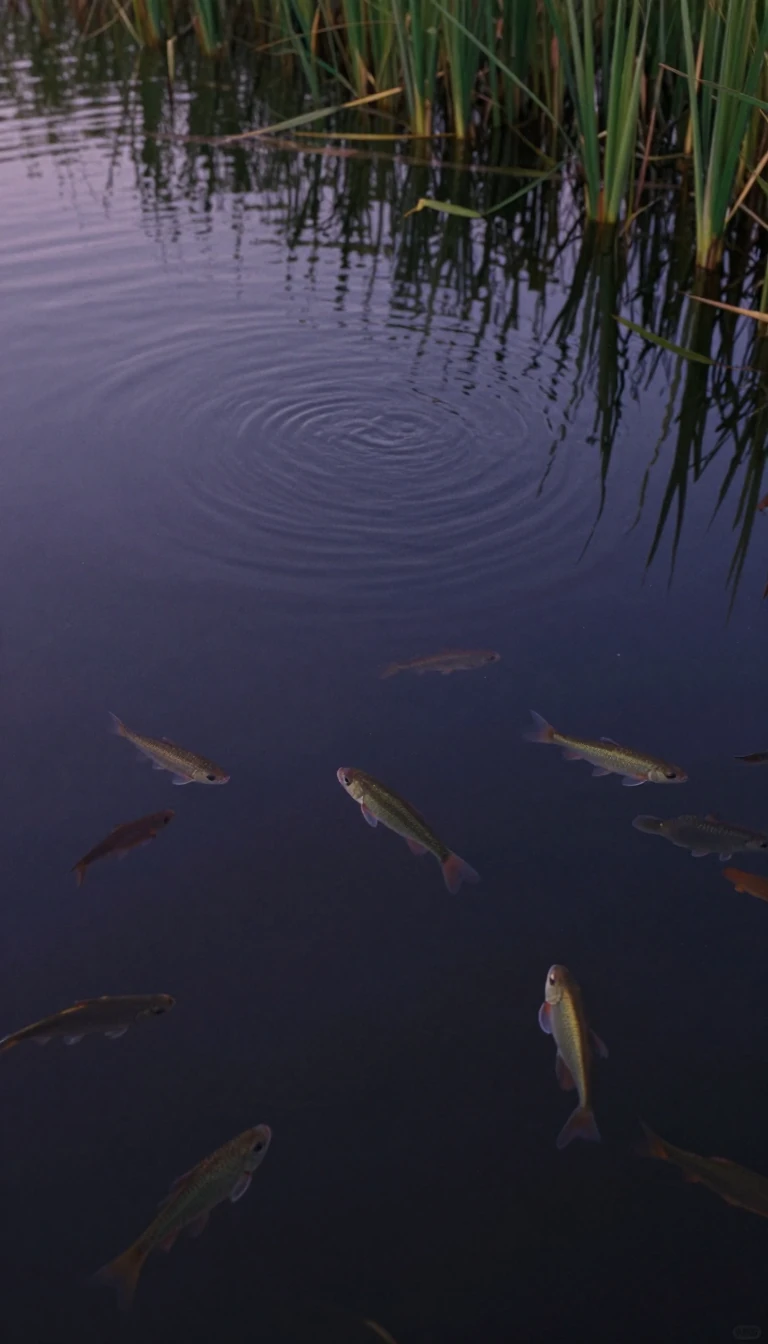 Why freshwater fish are among the most threatened vertebrates on the planet todayFreshwater fish make up over 41% of all known fish species, yet they face an existential crisis. From habitat fragmentation caused by dams to the silent spread of forever chemical…
 The Taung Child fossil shattered the myth that human ancestors originated in Europe or Asia.Found in a South African limestone quarry in 1924, this 2.5 million-year-old skull forced a radical rethink of human evolution. It proved that our earliest ancestors walked uprigh…
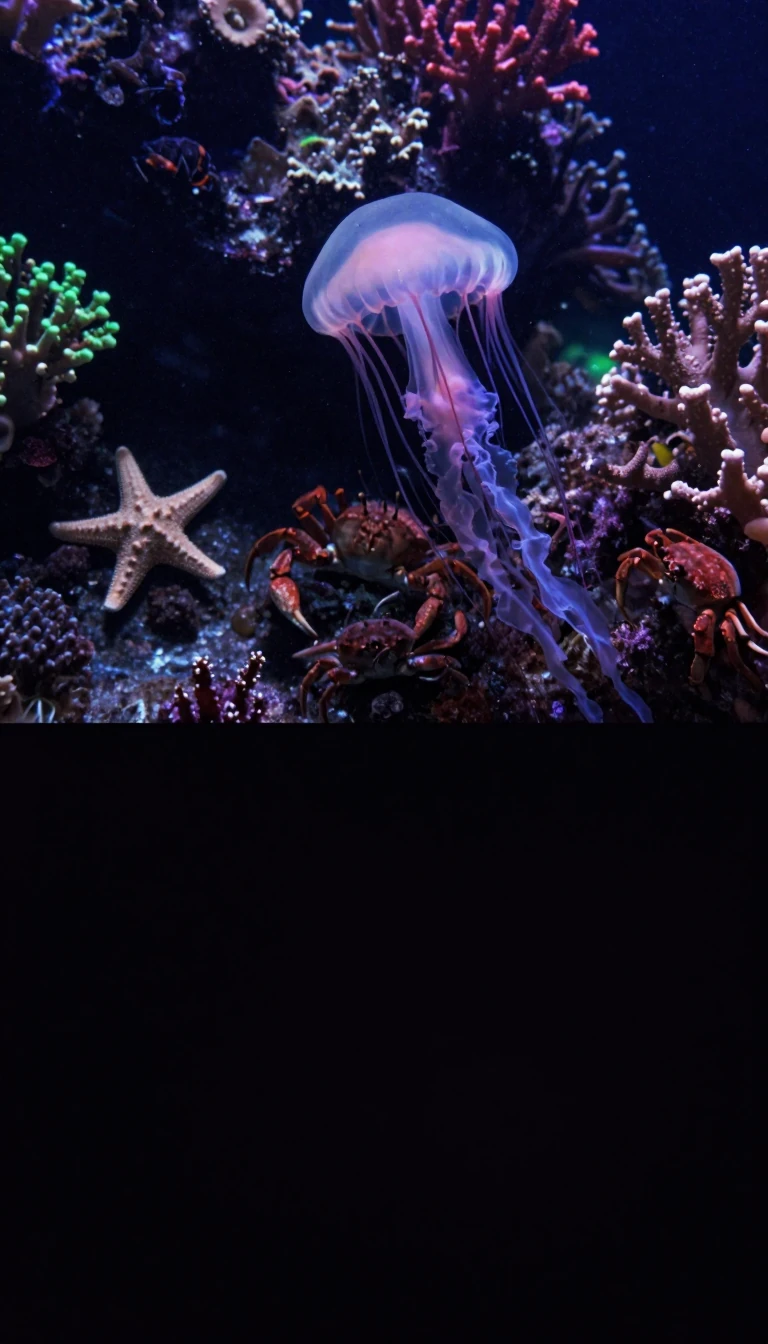 These Cretaceous predators evolved to lose their arms through a specific genetic defect.Abelisaurids were formidable carnivorous bipeds that dominated the southern supercontinent of Gondwana. While their skulls were heavily ornamented with pits and ridges, their fore…
- Did the earliest tetrapods spend their entire lives as juveniles in the water?New synchrotron microtomography analysis of Acanthostega fossils suggests that a famous mass-death deposit of these stem tetrapods may consist entirely of juveniles. This discover…
- Why these colorful reef fish carry a surgical blade on their tailsKnown as surgeonfishes, tangs, and unicornfishes, the Acanthuridae family is defined by a unique biological weapon: scalpel-like bony plates located on their tails. These sharp sp…
- Why the unassuming accentor is a master of the high-altitude shuffleKnown as shufflewings for their peculiar, twitchy movement, accentors are a group of about 13 species of small, drab songbirds. While they resemble common sparrows, these resilien…
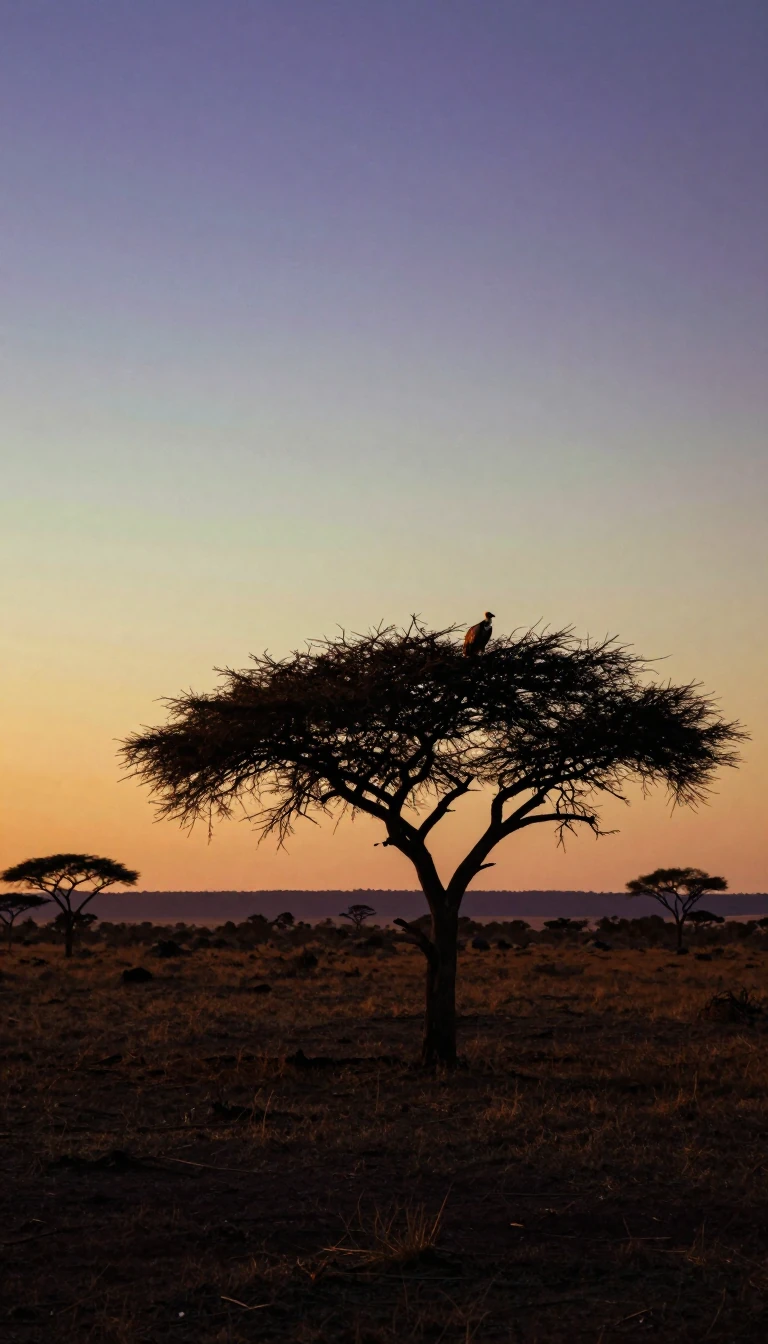 The desert antelope that survives by drinking nothing but the moisture in plantsThe addax is a master of extreme survival, thriving in the Sahara where others perish. By excreting dry waste and tolerating massive fluctuations in body temperature, this rare an…
- The North American giraffe camel was a towering giant of the Miocene epochLong before modern giraffes roamed Africa, North America hosted its own version of the long-necked browser. Aepycamelus major, a massive camelid, evolved to reach high tree canopi…
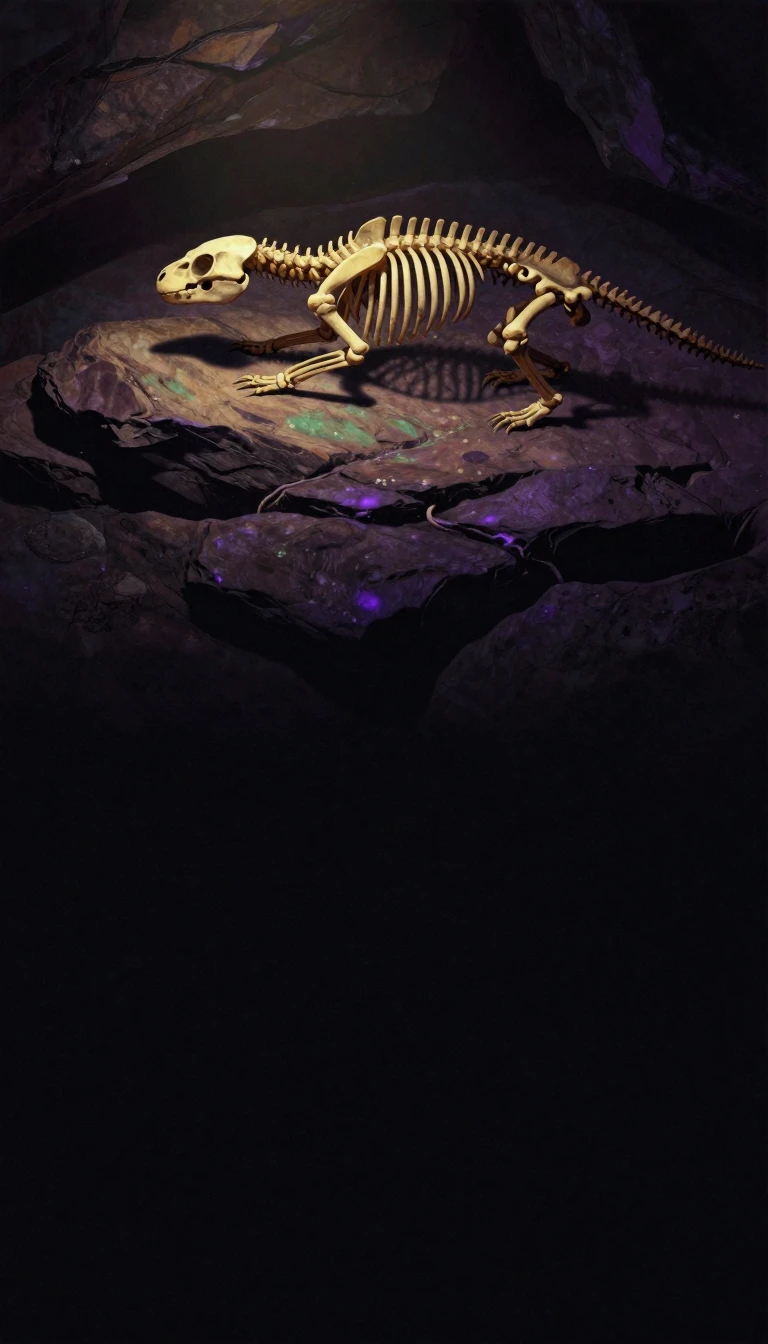 These heavily armored Triassic reptiles were once mistaken for ancient, scaly fish.Aetosaurs were terrestrial, plant-eating archosaurs that dominated the Late Triassic period. Though they are now recognized as relatives of modern crocodiles, early paleontologist…
 The African bullfrog is a burrowing giant that builds a waterproof skin cocoonAs one of the largest frogs on Earth, the African bullfrog is a formidable predator that spends much of its life buried underground. To survive the harsh dry season, it creates a …
- The African civet is a solitary, nocturnal predator with a surprisingly powerful bite.This elusive, blotchy mammal is the largest of its kind in Africa. While it looks like a raccoon, it is a specialized carnivore capable of eating toxic millipedes. Beyond its cryp…
 The African palm civet is the most genetically isolated carnivoran on our planetThis elusive, nocturnal mammal is a biological outlier, standing as the sole member of its entire superfamily. While it resembles other civets, it diverged from its closest relati…
 The sacred bird of Ancient Egypt is now a global invasive speciesVenerated by pharaohs and mummified by the thousands, the African sacred ibis was once a symbol of divine wisdom. Today, this wading bird has escaped its historical boundaries, es…
- The African wolf is a master of disguise hiding in plain sightLong mistaken for a simple jackal, the African wolf is actually a distinct species with a complex evolutionary history. Genetic analysis reveals it is a distant cousin of the gray…
 The Arboreal Architects of the Neotropics: Meet the Genus AgalychnisHigh within the dense canopies of Mexico, Central America, and northwestern South America lives the genus Agalychnis. These slender, tree-dwelling amphibians are masters of their …
- The tropical rodent that can crack a Brazil nut without any toolsAgoutis are nimble, long-legged rodents native to the Americas that resemble miniature hoofed animals. Beyond their surprising speed and ability to swim, these creatures possess t…
 Why did 17th-century travelers believe these slender snakes were hunting human eyes?The genus Ahaetulla, known as Asian vine snakes, carries a name derived from Sinhalese terms meaning eye plucker. This unsettling reputation, documented by Portuguese traveler Joã…