The ancient apothecary was the original laboratory for modern chemistry and global medicine.
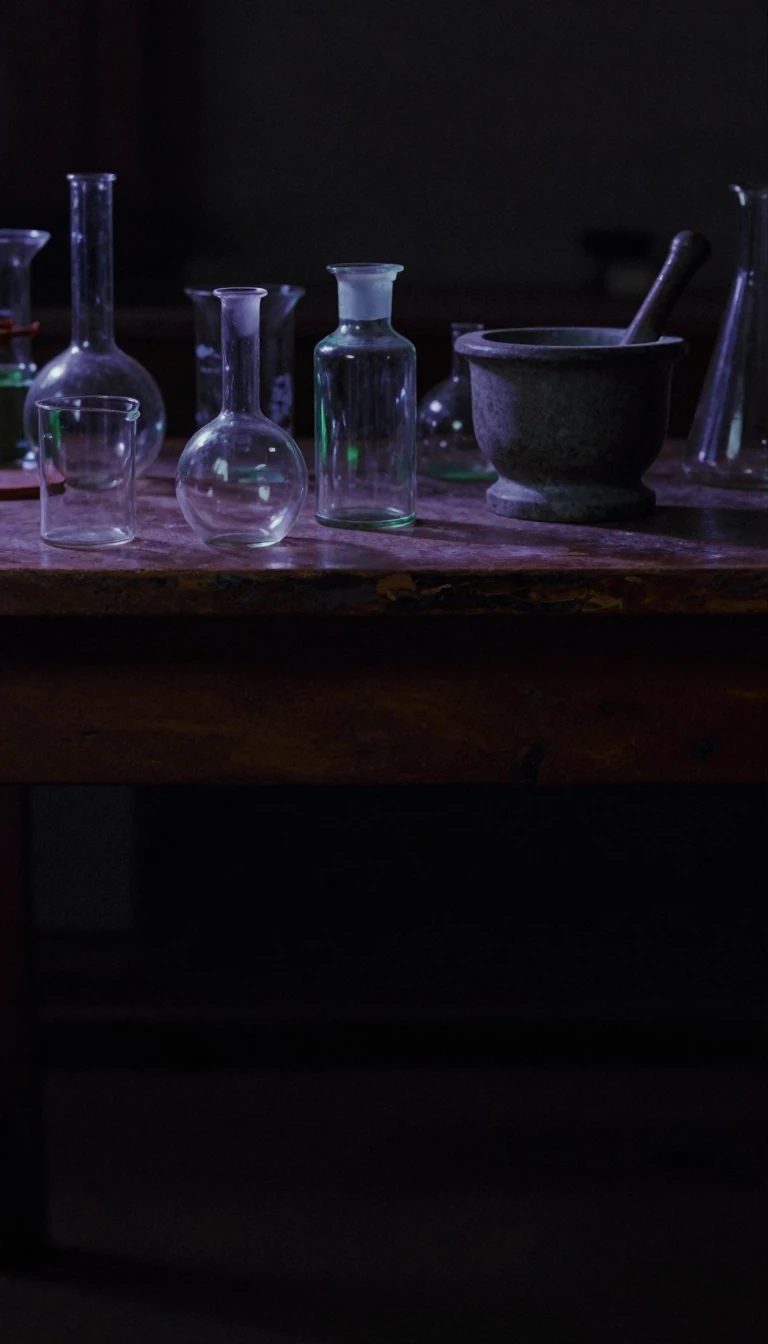
In short: Long before modern pharmacies, apothecaries served as the primary medical hubs for ancient civilizations. These practitioners did more than dispense herbs; they acted as early scientists, cataloging thousands of treatments through trial and error. Their work laid the essential foundation for today’s pharmacology, chemistry, and even the modern general practitioner.
The roots of the apothecary trace back to ancient Babylon around 2600 BC, where clay tablets documented early prescriptions and compounding methods. By 1500 BC, the Egyptian Papyrus Ebers listed over 800 medical recipes. These early systems relied on a vast array of ingredients, including minerals, animal products, and plants. The Chinese Shennong Ben Cao Jing, dating to the 3rd century AD, remains a foundational text, introducing substances like ephedrine to the world and establishing the use of ginseng for sexual health.
During the Middle Ages, the profession flourished in the Islamic world, with shops appearing in Baghdad by 754. In Europe, the role evolved from a simple storekeeper to a skilled practitioner. By the 17th century, London apothecaries were powerful enough to form the Worshipful Society of Apothecaries. These professionals were not just dispensers; they often diagnosed patients and provided medical advice, frequently clashing with physicians who viewed their growing influence with suspicion. In some regions, like Germany, the title remains a protected professional designation requiring advanced academic degrees.
The apothecary also served as a vital gateway for women in medicine. Barred from university medical schools, many women gained expertise by working in family-run shops or, in the case of Italian nuns, by operating successful medicinal businesses that funded charitable work. This practical experience was crucial; in 1865, Elizabeth Garrett Anderson became the first woman licensed to practice medicine in Britain after passing the Society of Apothecaries' exam. While many historical ingredients—such as human fat or fecal matter—have been discarded, the apothecary's legacy of rigorous, ingredient-focused healing remains the bedrock of modern pharmaceutical science.
Opens the Intellect+ feed with this card first. Swipe up for the next one.
Sources
- Summary by Intellect · source: Apothecary
To cite this card, link to https://intellectplus.co.uk/app/nature-apothecary.
How we source, check and correct cards: Editorial standards.
General information, not professional advice. Spotted an error? Flag the card or see corrections and complaints.
Intellect Plus is a visual educational discovery platform for exploring fascinating facts and ideas. Brain Food, Not Brain Rot. What is Intellect Plus?
Related
More in Physical geography · More in Nature · Latest · A–Z · All topics
