The ancient art of the apothecary: how pharmacy evolved into a modern science
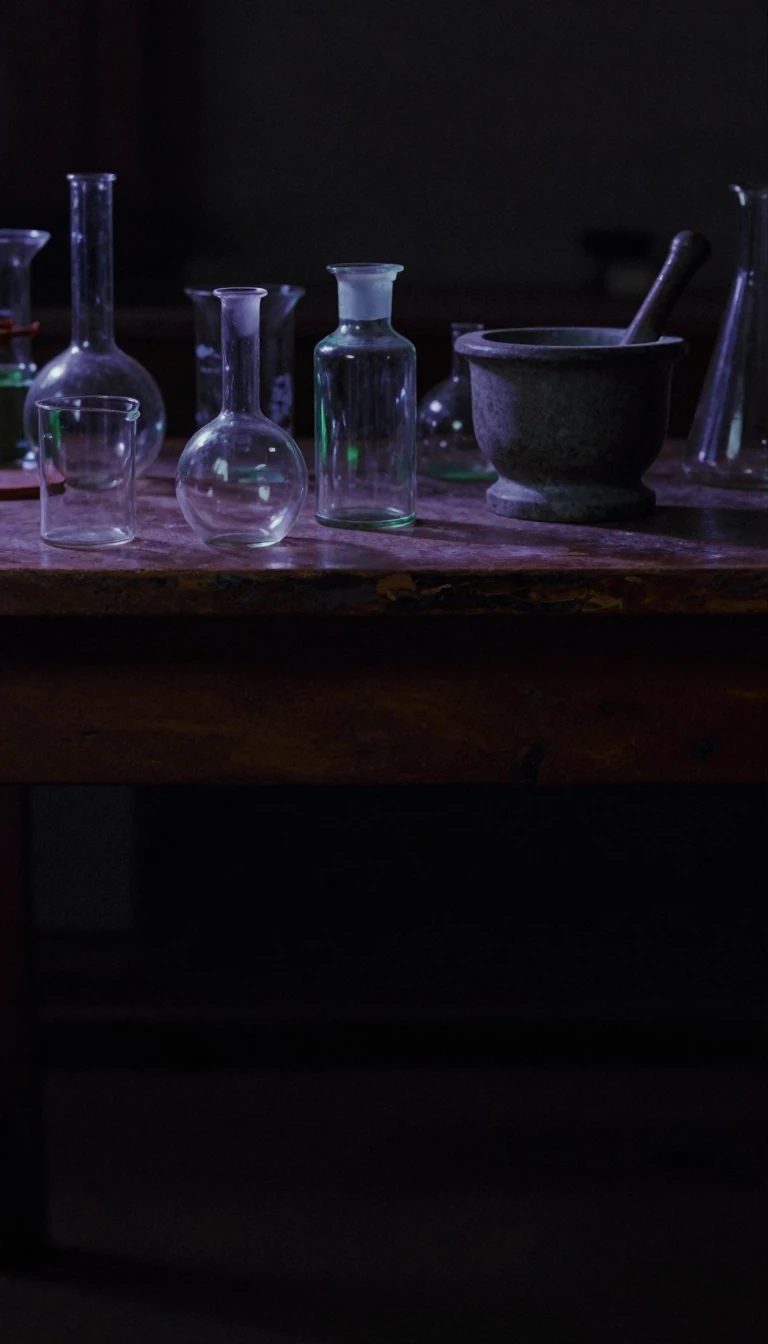
In short: Pharmacy began when the first human applied leaf juice to a wound. Over millennia, this practice transitioned from temple-based ritual to a distinct, regulated profession. Today, the pharmacist is a vital scientific expert, but their history reveals a long, complex struggle to separate the preparation of medicine from medical diagnosis.
The roots of pharmacy are as old as human injury. Ancient practices involved observing nature and using simple materials like mud or leaves for relief. In early civilizations, such as Egypt, the healing arts were often divided between those who treated patients directly and those who stayed in temples to craft remedies. This separation of roles—physician versus preparer—became a recurring theme in history. By the 8th century, Arabian influence in Europe began to formalize this distinction, a trend that gained legal weight in cities like Bruges by 1683, when a council decree explicitly forbade doctors from compounding their own medications.
In the United States, the professional divide was solidified by figures like Benjamin Franklin, who established an apothecary position at the Pennsylvania Hospital. This shift toward specialization was mirrored in education. As medical training moved from apprenticeships to formal university courses, pharmacy followed suit. The first American college dedicated to the field opened in 1821 in Philadelphia. Modern pharmaceutical education now requires at least five years of study, covering a rigorous curriculum that spans physics, chemistry, and pharmacology, ensuring that pharmacists are prepared for both the clinical and business demands of their role.
The 20th century, particularly the era following World War II, fundamentally altered the pharmacist's daily work. The rise of the pharmaceutical industry meant that the traditional, manual compounding of pills, plasters, and potions became less common. Instead, the pharmacist's focus shifted toward providing expert advice, ensuring the quality of dispensed products, and navigating complex legal frameworks. Today, pharmacists operate under strict government regulations, adhering to national and international standards like the Pharmacopoeia Internationalis, which helps standardize drug nomenclature and purity across the globe, ensuring that the ancient art of the apothecary remains a precise, evidence-based science.
Opens the Intellect+ feed with this card first. Swipe up for the next one.
Sources
- Summary by Intellect · source: Pharmacy | Drug Compounding & Dispensing, Pharmaceutical Science | Britannica
- Also: History of pharmacy
To cite this card, link to https://intellectplus.co.uk/app/history-history-of-pharmacy.
How we source, check and correct cards: Editorial standards.
General information, not professional advice. Spotted an error? Flag the card or see corrections and complaints.
Intellect Plus is a visual educational discovery platform for exploring fascinating facts and ideas. Brain Food, Not Brain Rot. What is Intellect Plus?
Related
More in History by topic · More in History · Latest · A–Z · All topics
