Are Arctic wolves truly a distinct subspecies or just clever, adaptable grey wolves?
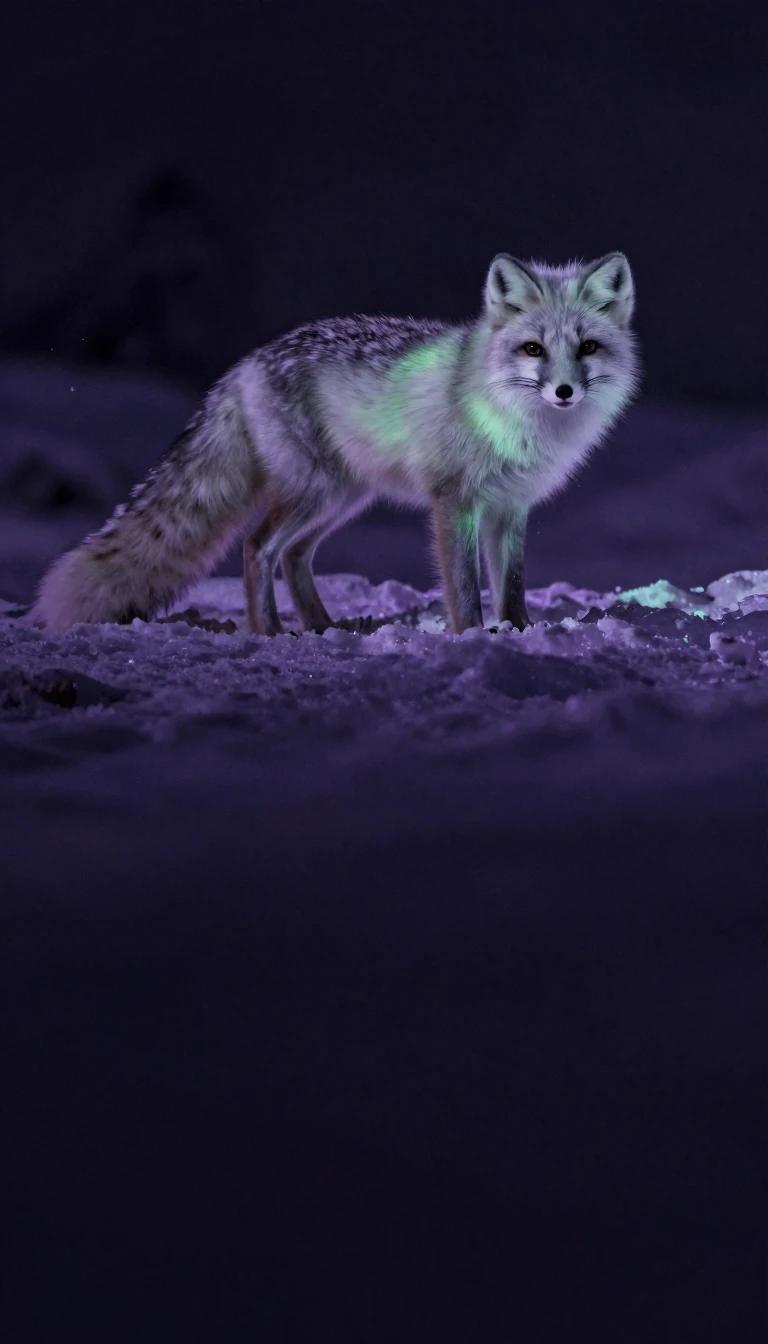
In short: The Arctic wolf, a creature of the High Arctic tundra, is famously unafraid of humans. Yet, beneath their white coats and curious nature lies a scientific debate. Are they a unique subspecies, or are they simply grey wolves that have adapted to a harsh, isolated, and unforgiving northern environment?
The Arctic wolf, Canis lupus arctos, is native to Canada's Queen Elizabeth Islands, living exclusively north of the northern treeline. First formally attributed to a Melville Island specimen by British zoologist Reginald Pocock in 1935, these wolves are physically distinguished from their northwestern counterparts by a smaller size, whiter fur, and a narrower braincase. However, their status as a distinct subspecies is contested. A 2012 study by Chambers et al. found no unique genetic haplotypes, suggesting their colonization of the Arctic Archipelago was too recent to justify separate classification.
This taxonomic friction highlights a broader scientific disagreement. In 2014, Robert K. Wayne of the U.S. Fish and Wildlife Service argued that subspecies need not be defined by absolute genetic isolation. Instead, he proposed that populations could be distinguished by the proportions of specific single-nucleotide polymorphisms or simply by the habitat they occupy. This perspective suggests that while individual wolves might be hard to classify via DNA alone, the population as a whole exhibits distinct characteristics shaped by their environment.
Their survival is tied to a complex predator-prey system involving muskoxen and Arctic hares. While muskoxen are often cited as providing long-term viability, some evidence suggests wolf population trends mirror the availability of hares. This reliance shifts seasonally and regionally, complicating our understanding of their ecology. Furthermore, their lack of fear toward humans—likely a result of infrequent contact—has led to curious encounters, though proximity to human settlements in places like Alert, Nunavut, has occasionally resulted in dangerous habituation and conflict.
Opens the Intellect+ feed with this card first. Swipe up for the next one.
Sources
- Summary by Intellect · source: Arctic wolf
To cite this card, link to https://intellectplus.co.uk/app/nature-arctic-wolf.
How we source, check and correct cards: Editorial standards.
General information, not professional advice. Spotted an error? Flag the card or see corrections and complaints.
Intellect Plus is a visual educational discovery platform for exploring fascinating facts and ideas. Brain Food, Not Brain Rot. What is Intellect Plus?
Related
More in Organisms · More in Nature · Latest · A–Z · All topics
