Despite their name, the Australian Shepherd was actually developed in 19th-century California.
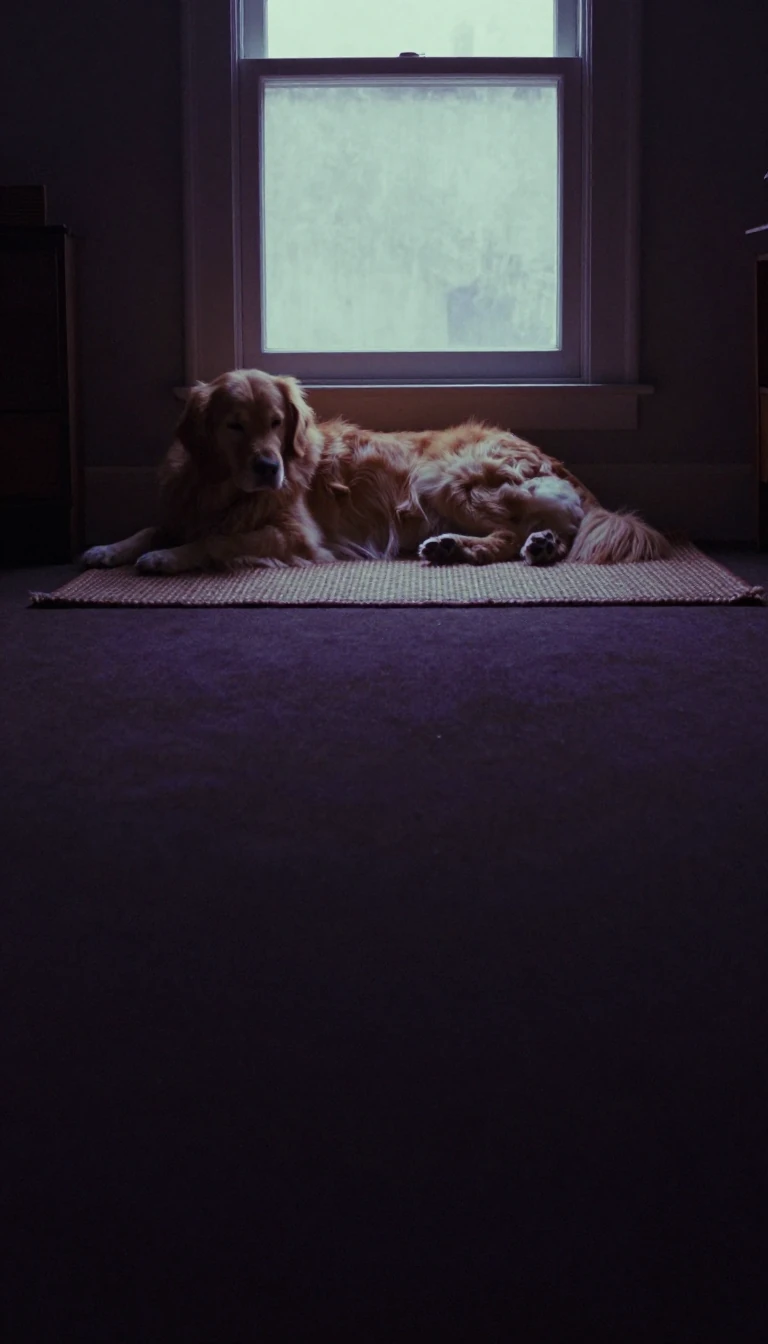
In short: The Australian Shepherd is a misnamed American icon. While they carry the name of a continent they never originated from, these athletic herders were bred for the rugged demands of Californian ranch life. Today, they have transitioned from working livestock to becoming one of North America's most popular companion breeds.
The origins of the Australian Shepherd are a blend of international influence and American necessity. The breed likely descends from pastoral dogs brought to North America as early as the 1500s to manage Spanish flocks. Speculation suggests ancestors include the Carea Leonés, the Basque Shepherd Dog, and the Pyrenean Sheepdog. However, the breed as recognized today coalesced in 19th-century California, where they were crossed with collies imported alongside sheep from Australia and New Zealand. This specific trade route is the source of their enduring, if geographically inaccurate, name.
For over a century, these dogs were strictly working animals, valued by ranchers for their ability to manage sheep and cattle. Their transition to mainstream popularity began in the mid-20th century, largely due to rodeo performer Jay Sisler, who showcased the dogs' intelligence through elaborate tricks. This visibility led to the formation of the Australian Shepherd Club of America and subsequent recognition by the United Kennel Club in 1979 and the American Kennel Club in the 1990s. By 2024, the breed ranked as the 12th most popular in the United States.
The breed is defined by high energy and a strong herding instinct, which can manifest as a tendency to herd children or other pets if the dog is not sufficiently exercised. Physically, they are medium-sized, athletic, and capable of jumping as high as 4 feet. While generally healthy, with a median life expectancy of 13.7 years, they are prone to specific genetic issues. Notably, the 'double merle' trait—often mislabeled as 'lethal white'—can cause deafness and blindness. Additionally, many carry an MDR1 gene mutation, which increases sensitivity to certain common medications, requiring owners to remain vigilant about their health.
Opens the Intellect+ feed with this card first. Swipe up for the next one.
Sources
- Summary by Intellect · source: Australian Shepherd
To cite this card, link to https://intellectplus.co.uk/app/nature-australian-shepherd.
How we source, check and correct cards: Editorial standards.
General information, not professional advice. Spotted an error? Flag the card or see corrections and complaints.
Intellect Plus is a visual educational discovery platform for exploring fascinating facts and ideas. Brain Food, Not Brain Rot. What is Intellect Plus?
Related
More in Physical geography · More in Nature · Latest · A–Z · All topics
