The Australian Alps were not formed by colliding tectonic plates like other mountain ranges.
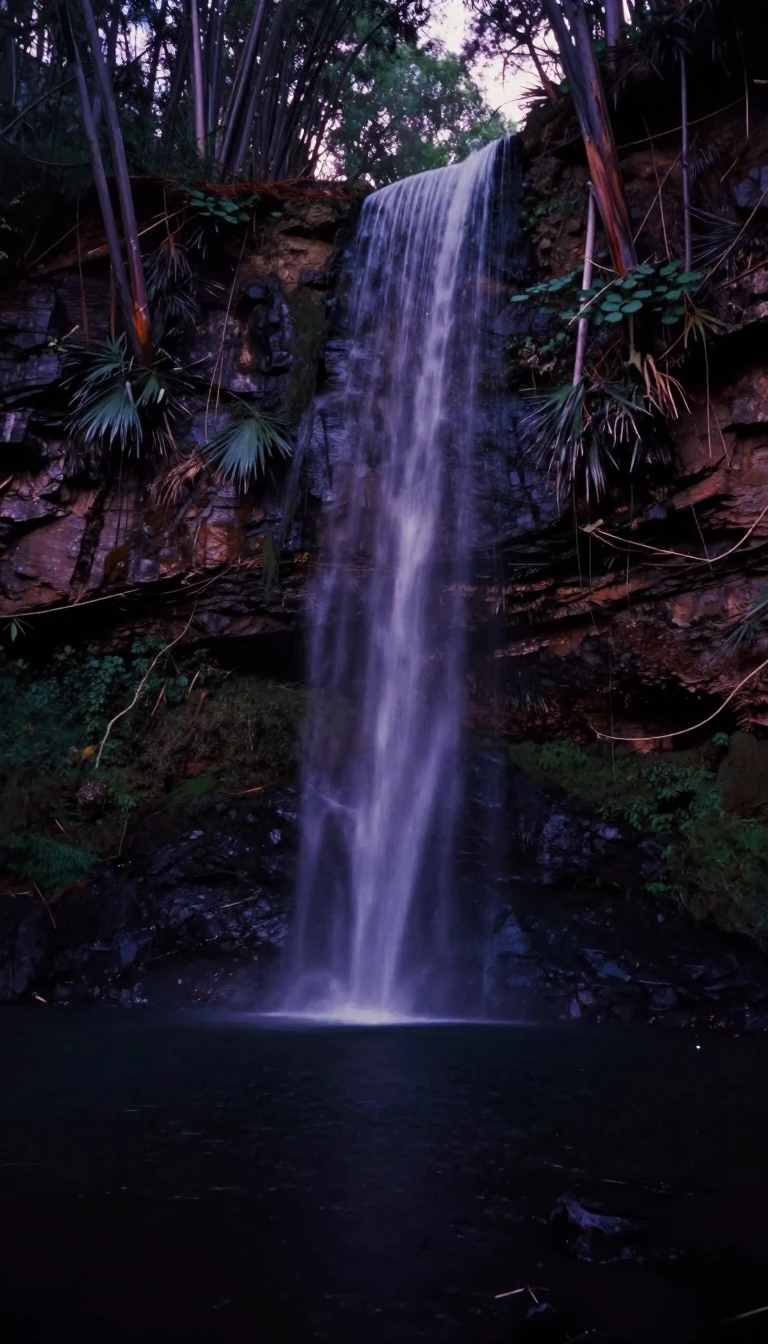
In short: Unlike the jagged peaks of the Himalayas or the Rockies, the Australian Alps are a high, rolling plateau. Lifted by ancient magma movements rather than continental collisions, this unique landscape offers a gentler terrain where most summits can be reached without specialized mountaineering equipment or technical climbing gear.
The Australian Alps stretch across 1,232,981 hectares, straddling the borders of Victoria, New South Wales, and the Australian Capital Territory. While they form the highest range on the Australian mainland, their geological origins are distinct from the world's major mountain chains. Instead of tectonic plate collisions, the range was pushed upward by magma activity during the breakup of the supercontinent Gondwana between 130 and 160 million years ago. This process resulted in a high plateau characterized by soft, rolling hills rather than the sharp, rocky peaks found in the European Alps or the Andes.
The formation of the range was largely settled by 100 million years ago, though subsequent minor uplifts and volcanic basalt eruptions helped shape the flat landscapes of the high plains. During the Pleistocene ice age, which began about 2 million years ago, small glaciers formed on the highest elevations, particularly near Mount Kosciuszko—the range's highest point at 2,228 metres. While no glaciers persist today, their legacy remains visible in the form of tarns and cirques, such as Blue Lake and Club Lake.
Today, the region serves as a critical water drainage basin and a hub for biodiversity, supporting hundreds of species of birds, mammals, and reptiles. However, the ecosystem is deeply influenced by fire. Bushfires are an essential, albeit destructive, part of the landscape; certain native flora, such as specific eucalypt and banksia species, rely on fire to trigger seed germination. Despite this natural cycle, major fire events—including those in 2003 and the catastrophic 2009 Black Saturday fires—have caused significant damage to human settlements and infrastructure, including the loss of historic alpine huts that date back to the early days of cattle grazing and surveying.
Opens the Intellect+ feed with this card first. Swipe up for the next one.
Sources
- Summary by Intellect · source: Australian Alps
To cite this card, link to https://intellectplus.co.uk/app/nature-australian-alps.
How we source, check and correct cards: Editorial standards.
General information, not professional advice. Spotted an error? Flag the card or see corrections and complaints.
Intellect Plus is a visual educational discovery platform for exploring fascinating facts and ideas. Brain Food, Not Brain Rot. What is Intellect Plus?
Related
More in Physical geography · More in Nature · Latest · A–Z · All topics
