Meet the earliest known Australopithecus, a creature that walked upright but climbed like an ape.
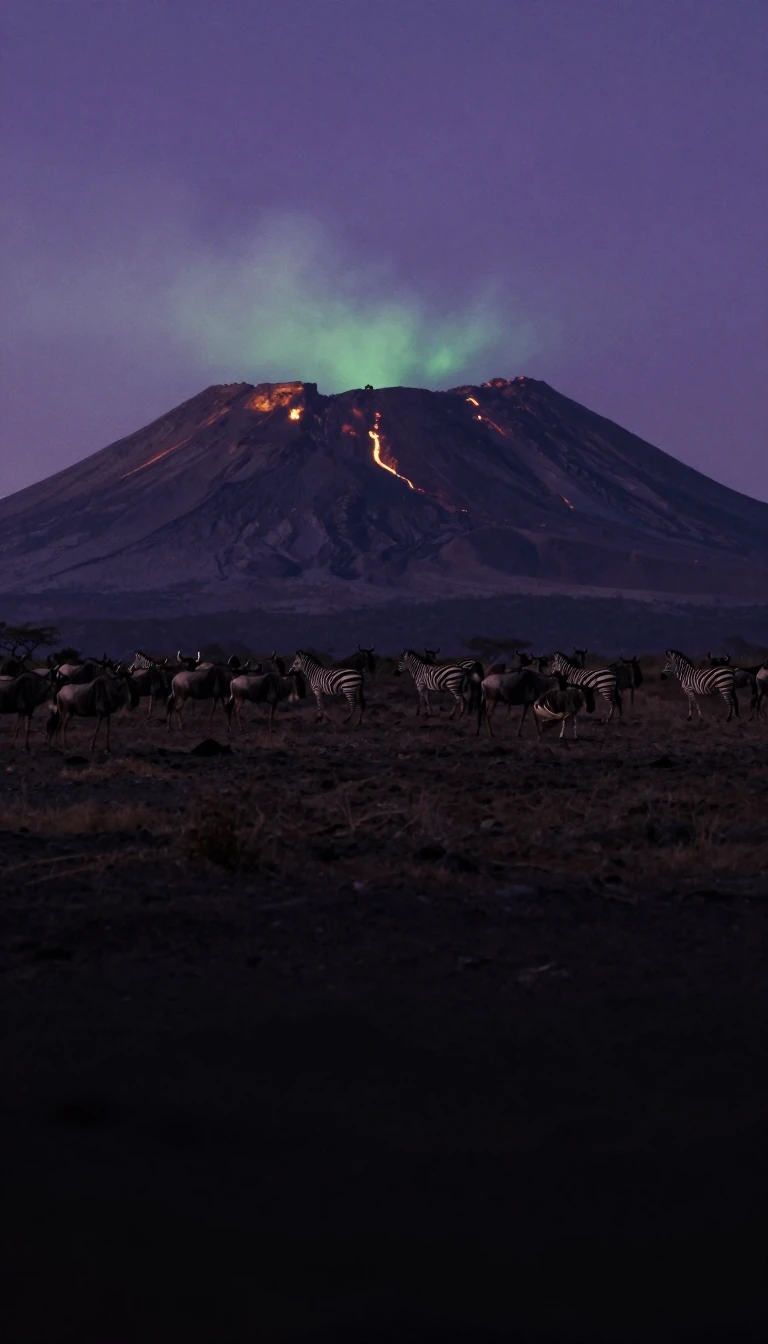
In short: Australopithecus anamensis lived over four million years ago, bridging the gap between ancient ancestors and later hominins. While its tibia proves it walked on two legs, its anatomy reveals a dual life: a bipedal wanderer that retained the powerful tendons and flexible elbows necessary for navigating the trees.
First identified in 1995 by a team led by Meave Leakey, Australopithecus anamensis is the oldest known member of its genus. The name derives from the Turkana word 'anam,' meaning lake, referencing the ancient lakeside environment where these hominins lived between 3.8 and 4.2 million years ago. Fossils have been recovered from sites in Kenya, such as Kanapoi and Allia Bay, as well as the Middle Awash region of Ethiopia.
The species presents a fascinating mosaic of traits. Its tibia, with its concave, human-like condyles, confirms habitual bipedalism. Yet, the creature remained physically adapted for climbing, possessing long, ape-like forearms and flexible elbow joints. Its skull, revealed in 2016 by herder Ali Bereino, shows a relatively small brain of about 370cc, a sloping forehead, and a prognathic snout. The teeth are similarly transitional, featuring thick enamel—a trait shared with later hominins—alongside large, pointed canines and parallel tooth rows reminiscent of apes.
The evolutionary status of A. anamensis remains a subject of intense debate. Many researchers view it as the direct ancestor of the famous Australopithecus afarensis. Some previously proposed that the two were a single 'chronospecies' evolving in a straight line. However, the 2016 discovery of an intact skull suggested that the two species may have overlapped in time, potentially complicating the theory that one simply transformed into the other. While some experts argue that the evidence for this overlap is inconclusive, the find has forced a re-evaluation of how our early ancestors diverged and developed.
Despite their physical sophistication, there is no direct evidence of culture for A. anamensis. It is hypothesized that they may have utilized simple, unmodified tools like sticks or stones to process hard foods, much like modern chimpanzees. Living in a landscape shaped by volcanic activity, these early hominins occupied a critical position in the human lineage, marking a pivotal transition in the development of the human form.
Opens the Intellect+ feed with this card first. Swipe up for the next one.
Sources
- Summary by Intellect · source: Australopithecus anamensis
- Also: Australopithecus anamensis | fossil hominin | Britannica
- Also: Australopithecus anamensis
To cite this card, link to https://intellectplus.co.uk/app/nature-australopithecus-anamensis.
How we source, check and correct cards: Editorial standards.
General information, not professional advice. Spotted an error? Flag the card or see corrections and complaints.
Intellect Plus is a visual educational discovery platform for exploring fascinating facts and ideas. Brain Food, Not Brain Rot. What is Intellect Plus?
Related
More in Vertebrates · More in Nature · Latest · A–Z · All topics
