The largest battleship clash in history ended with both sides claiming a victory
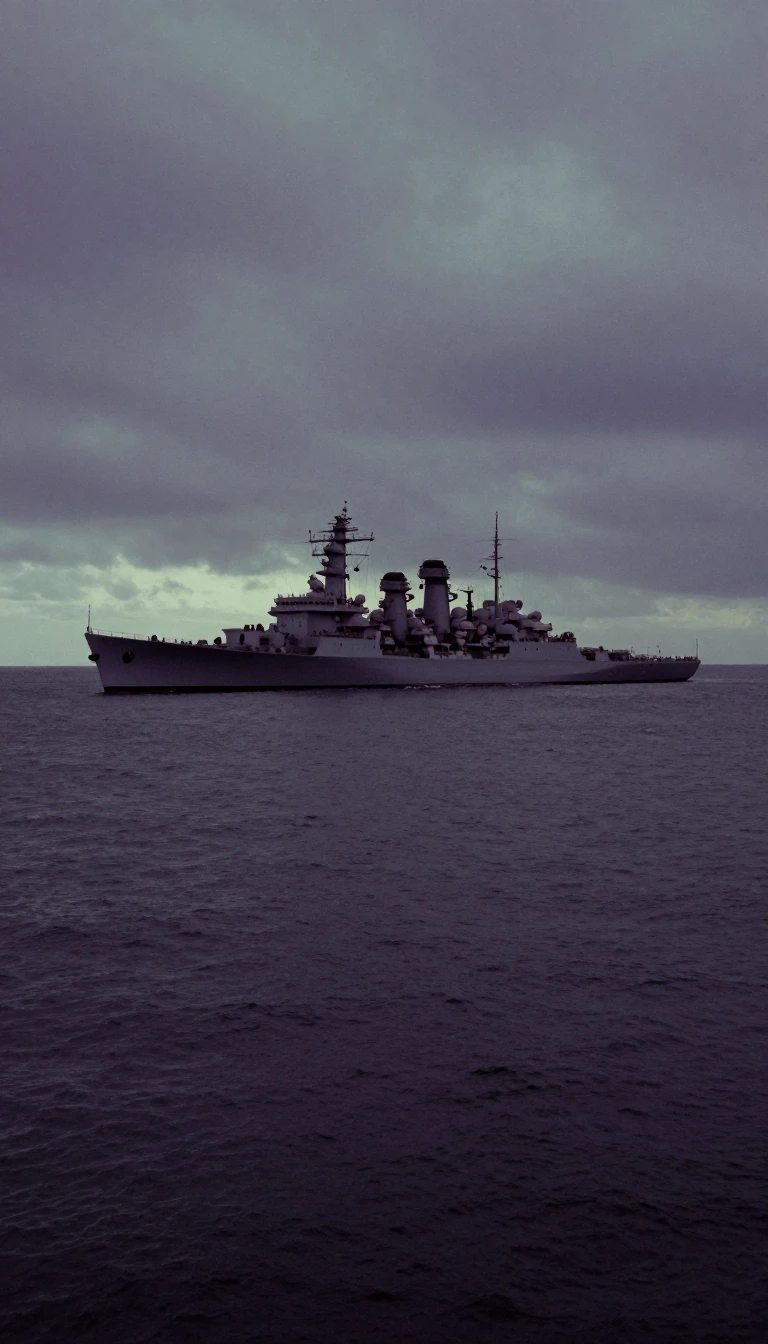
In short: Fought in 1916, the Battle of Jutland was the final major naval engagement dominated by battleships. While the British lost more ships and sailors, the encounter successfully contained the German fleet, preventing it from accessing the Atlantic and forcing Germany to rely on submarine warfare for the remainder of the war.
The Battle of Jutland, known in Germany as the Skagerrakschlacht, took place from 31 May to 1 June 1916. It pitted the British Grand Fleet, led by Admiral Sir John Jellicoe, against the Imperial German Navy’s High Seas Fleet, commanded by Vice-Admiral Reinhard Scheer. The German strategy aimed to lure out and destroy portions of the British fleet to break the blockade of Germany. However, British intelligence, specifically the decryption of German signals by Room 40, allowed Jellicoe to anticipate the operation and position his forces to intercept the German fleet off the coast of Denmark.
The engagement involved approximately 250 ships. During the battle, Jellicoe twice achieved the tactical advantage of 'crossing the T,' a maneuver where a fleet crosses the path of the enemy to bring maximum firepower to bear. Despite this, Scheer managed to disengage and return to port under the cover of darkness. The human cost was significant, with 9,823 total casualties. Fourteen British ships and eleven German ships were lost. While both nations claimed victory, the strategic outcome favored Britain, as the German surface fleet remained contained for the rest of the war.
Technological differences defined the combatants. British ships generally favored larger guns and higher speeds, while German designs prioritized survivability through thicker armor and better internal subdivision. Furthermore, the British fleet possessed a significant advantage in total weight of broadside—332,360 pounds compared to the German fleet's 134,216 pounds. The aftermath of the battle led to a shift in German naval policy, as they abandoned fleet-to-fleet contact in favor of unrestricted submarine warfare. This shift eventually contributed to the United States' entry into the war in April 1917, following the sinking of merchant vessels and the diplomatic fallout of the Zimmermann Telegram.
Opens the Intellect+ feed with this card first. Swipe up for the next one.
Sources
- Summary by Intellect · source: Battle of Jutland
To cite this card, link to https://intellectplus.co.uk/app/nature-battle-of-jutland.
How we source, check and correct cards: Editorial standards.
General information, not professional advice. Spotted an error? Flag the card or see corrections and complaints.
Intellect Plus is a visual educational discovery platform for exploring fascinating facts and ideas. Brain Food, Not Brain Rot. What is Intellect Plus?
Related
More in Physical geography · More in Nature · Latest · A–Z · All topics
