Beneath the soil you walk on lies a hidden foundation of solid stone
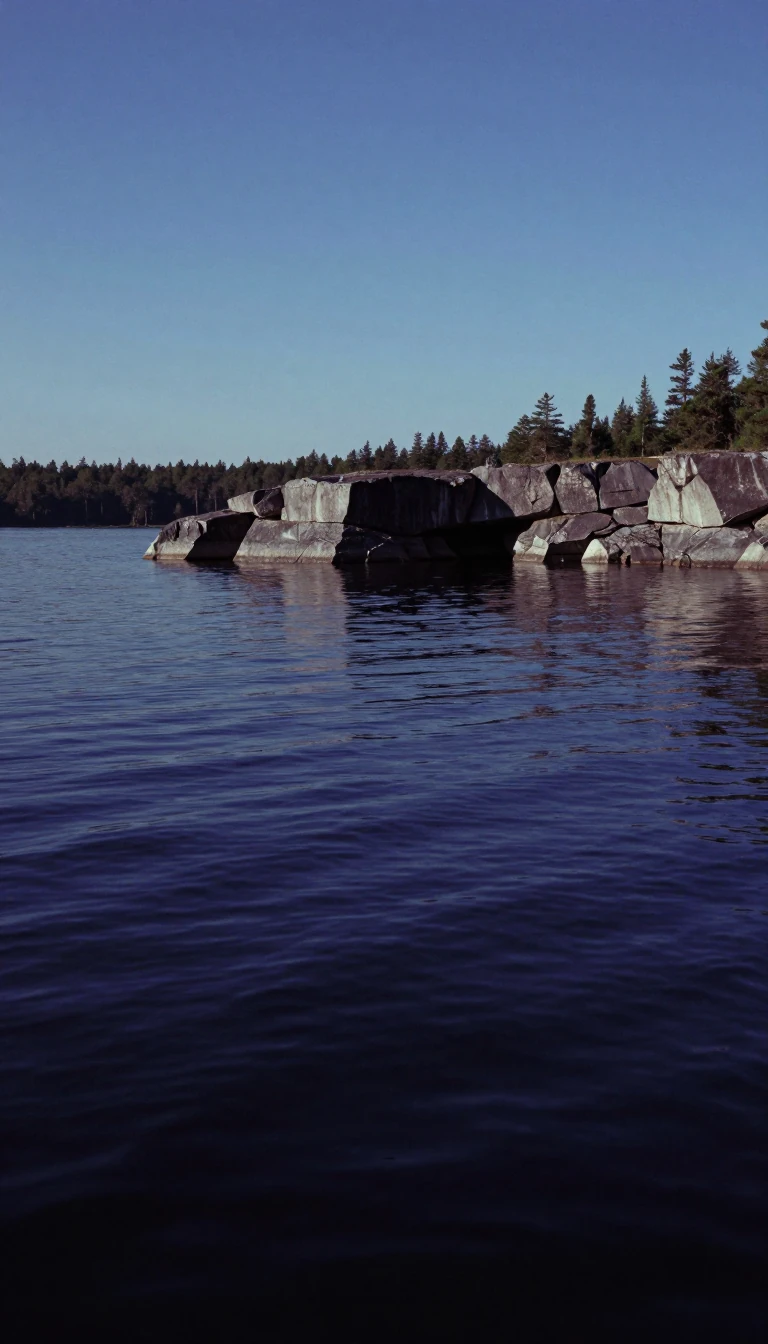
In short: Every landscape hides a secret architecture. Beneath the loose soil, sand, and debris known as regolith lies bedrock, the Earth's solid foundation. While often buried hundreds of meters deep, this ancient rock dictates the stability of our world, shaping everything from civil engineering projects to the unique habitats of specialized species.
Bedrock is the solid, unweathered rock that forms the base of the Earth's crust. Geologists refer to the upper boundary of this layer as rockhead, a critical marker for engineers who must identify its depth through drilling or geophysical surveys before starting any major construction. When this solid layer breaks through the surface, it is known as an outcrop, providing a rare glimpse into the geological history hidden beneath our feet.
The transition from solid rock to surface soil is a dynamic process. Exposed bedrock is constantly reshaped by physical and chemical weathering, which degrades its structure and makes it vulnerable to erosion. Even beneath the surface, the top of the bedrock can undergo chemical changes to form saprolite, while fragments that break away from the main body are often found scattered within the soil profile as floaters. This complex interaction between solid stone and loose debris defines the landscape.
Mapping bedrock is a fundamental task in geology, as these maps reveal the distribution of rock types that would be visible if all superficial deposits were stripped away. In areas where soil or sediment layers are exceptionally thick, however, mapping the bedrock becomes impossible, forcing geologists to document the superficial deposits instead. This hidden layer is not merely a static foundation; it is a living geological record that influences the environment, supporting specialized life forms like the bedrock shiner fish in Tennessee or the bedrock heath plant in the Western Cape.
Understanding bedrock is essential for more than just scientific curiosity. Whether it is determining the feasibility of a skyscraper's foundation or studying the endemic species that rely on specific rocky substrates, bedrock remains the silent protagonist of our physical world. By studying the rockhead and the processes of weathering, we gain insight into the structural integrity of the ground we inhabit and the long-term evolution of the Earth's surface.
Opens the Intellect+ feed with this card first. Swipe up for the next one.
Sources
- Summary by Intellect · source: Bedrock
To cite this card, link to https://intellectplus.co.uk/app/nature-bedrock.
How we source, check and correct cards: Editorial standards.
General information, not professional advice. Spotted an error? Flag the card or see corrections and complaints.
Intellect Plus is a visual educational discovery platform for exploring fascinating facts and ideas. Brain Food, Not Brain Rot. What is Intellect Plus?
Related
More in Geology · More in Nature · Latest · A–Z · All topics
