Biotite is the dark, layered mineral that makes up much of Earth's crust.
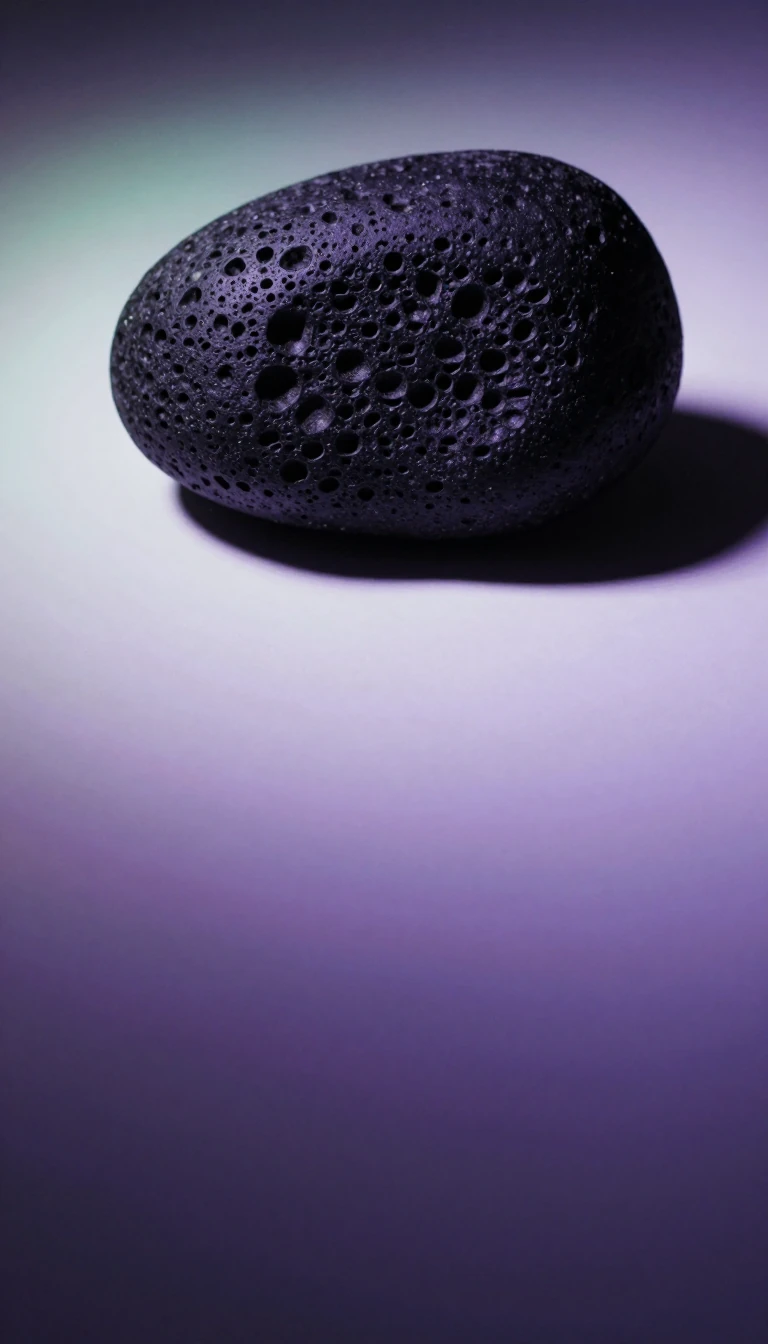
In short: Often called black mica, biotite is a common rock-forming mineral found in igneous and metamorphic environments. Its unique sheet-like structure allows it to be peeled into thin, flexible layers. Named after a 19th-century physicist, this mineral holds secrets about the cooling and formation of the rocks beneath our feet.
Biotite belongs to the mica group, a collection of hydrous potassium aluminum silicate minerals defined by their distinct two-dimensional sheet structure. While there are 28 known species of mica, only six are considered common rock-forming minerals. Among these, biotite is one of the most abundant, typically appearing in dark shades ranging from black and brown to red-brown or greenish-brown. It is found across the three major rock varieties: igneous, metamorphic, and sedimentary.
The mineral's structure is defined by polymerized sheets of silica tetrahedrons. These sheets are cross-linked with cations and bound together by large, singly charged cations like potassium. This specific arrangement creates a negative charge that is balanced by the interlayer cations, resulting in the perfect cleavage that allows biotite to be separated into thin, elastic sheets. Because these sheets are weakly bonded, the mineral is easily scratched with a knife or geologic pick, registering a Mohs hardness of approximately 2.5 on cleavage flakes.
Biotite was named in honor of Jean-Baptiste Biot, a French physicist from the 19th century who conducted early research into the optical properties of micas. Beyond its appearance, biotite exhibits a property known as pleochroism, where it displays different colors or light absorption levels when viewed from different crystallographic directions under polarized light. While it is often identified in the field by its dark color, distinguishing between specific mica types sometimes requires sophisticated techniques like X-ray analysis to identify the different polytypes present in a specimen.
The composition of biotite is not fixed; like garnets, individual specimens often consist of varying proportions of ideal end-member compositions. It is frequently found in granites, pegmatites, and metamorphic rocks. Because it is so widespread, it serves as a vital indicator for geologists studying the formation and history of the Earth's crust. Its presence and specific chemical variations provide clues about the temperature and pressure conditions under which the host rock originally formed.
Opens the Intellect+ feed with this card first. Swipe up for the next one.
Sources
- Summary by Intellect · source: Biotite | Mica, Silicate, Rock-Forming | Britannica
- Also: Biotite
To cite this card, link to https://intellectplus.co.uk/app/nature-biotite.
How we source, check and correct cards: Editorial standards.
General information, not professional advice. Spotted an error? Flag the card or see corrections and complaints.
Intellect Plus is a visual educational discovery platform for exploring fascinating facts and ideas. Brain Food, Not Brain Rot. What is Intellect Plus?
Related
More in Geology · More in Nature · Latest · A–Z · All topics
