The hidden architects of the ocean floor and their role in climate regulation
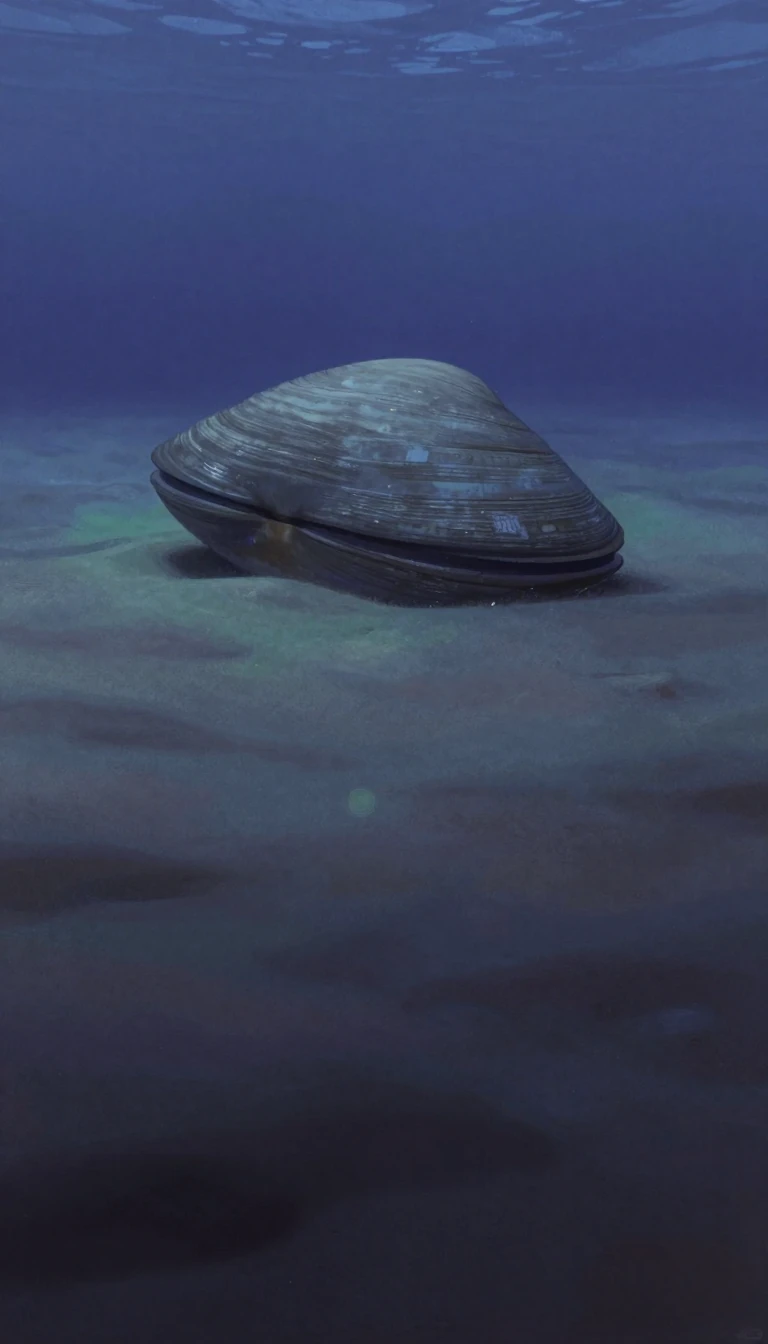
In short: They are often dismissed as mere scavengers, but the creatures living on the seabed perform a vital ecological service. From recycling organic matter to trapping greenhouse gases, these bottom feeders are essential to the health of our planet's aquatic environments.
In biology, the term 'benthos' refers to all life inhabiting or near the bottom of a body of water, including plants and algae. While many associate bottom feeders with scavenging, their roles are diverse. Some are detritivores, consuming 'marine snow'—the organic material that drifts downward through the water column. Others are herbivores, such as certain sea urchins and gastropods, that graze on macroalgae. Some even act as predators, using the seabed for cover. Species like the octopus or mantis shrimp hide in burrows to ambush prey, while the bobbit worm burrows deep into the sediment to hunt.
The ecological impact of these organisms extends far beyond simple feeding. By decomposing organic matter, they help maintain critical biogeochemical cycles. Notably, research from 2014 highlighted a significant role for deep-sea bottom feeders in carbon sequestration. By consuming organisms like jellyfish and cephalopods, these creatures help trap carbon dioxide at the sea floor, preventing the greenhouse gas from returning to the atmosphere.
Physically, many bottom-dwelling fish have adapted to their environment with specific anatomical features. Many possess a flat ventral region to rest easily on the substrate, or an 'inferior' mouth positioned downward to facilitate feeding on the floor. Flatfish, such as halibut, represent a unique evolutionary path; they are laterally depressed and lie on their sides, with some species even developing eyes that migrate to the upward-facing side as they mature. Conversely, species like the stargazer possess upward-pointing mouths to capture swimming prey.
In the context of home aquaria, the 'cleaning' reputation of bottom feeders is often misunderstood. While some are sold as algae eaters to improve oxygen levels and aesthetics, they primarily consume leftover food from other livestock. In many cases, adding more bottom-dwelling organisms actually increases the total biomass, which can lead to a dirtier tank environment.
Opens the Intellect+ feed with this card first. Swipe up for the next one.
Sources
- Summary by Intellect · source: Bottom feeder
To cite this card, link to https://intellectplus.co.uk/app/nature-bottom-feeder.
How we source, check and correct cards: Editorial standards.
General information, not professional advice. Spotted an error? Flag the card or see corrections and complaints.
Intellect Plus is a visual educational discovery platform for exploring fascinating facts and ideas. Brain Food, Not Brain Rot. What is Intellect Plus?
Related
More in Fish · More in Nature · Latest · A–Z · All topics
