 Intellect Plus
Fish
16 cards. Each one is a 40-second story with a five-minute read behind it.
 The silent survivors that have ruled Earth’s waters for 500 million yearsDive into a cinematic exploration of the underwater world. This documentary reveals the complex behaviors, survival strategies, and evolutionary adaptations of fish across diverse…
- The hunt for the largest aquatic giants in River MonstersExplore the most formidable aquatic creatures encountered during the second season of the iconic wildlife series. This video highlights the extreme angling and biological expertis…
- Identifying the heaviest catch in the first season of River MonstersExplore the high-stakes world of extreme angling to discover which legendary creature claimed the title of biggest fish caught during the show's debut season.
 The evolutionary arms race of underwater electricityIn murky waters or pitch-black caves, vision is often useless. Some fish have solved this by evolving the ability to see with electricity. They can sense the tiny bioelectric fiel…
 From dragon tongues to lunar debris: the many lives of shark teethLong before scientists identified them as biological remains, shark teeth were believed to be petrified dragon tongues or stones fallen from the sky. Today, these calcium phosphat…
- Nature's biological batteries may have inspired the invention of our ownThe electric eel doesn't just shock its prey; it serves as a living blueprint for human technology. By repurposing muscle tissue into specialized cells, these fish mastered a biol…
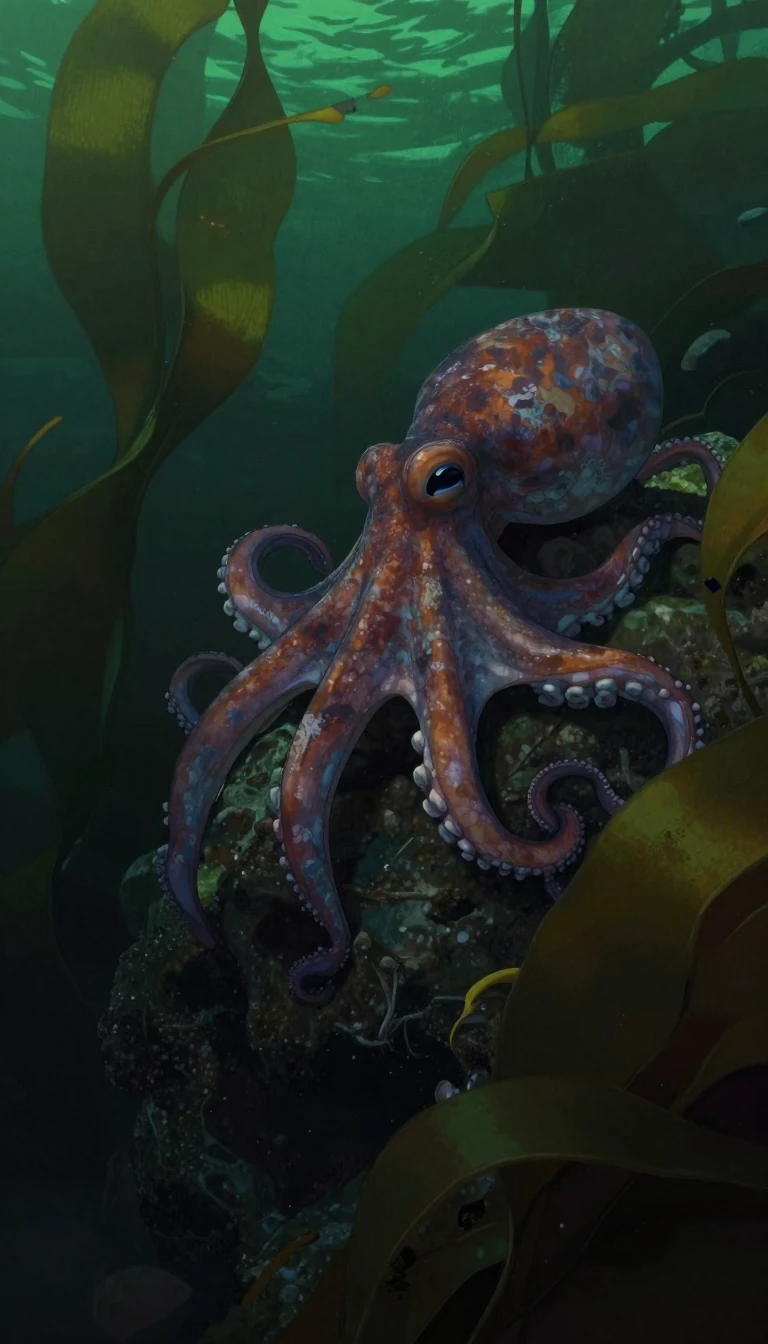 The eel's radical transformation from a leaf to a fishImagine a creature so different from its parents that scientists once mistook it for an entirely different species. Eels undergo a profound metamorphosis, shedding up to 90 percen…
 Fish whiskers are high-tech sensory organs for navigating the darkIn murky waters or the pitch-black abyss, sight is often useless. Many fish species have evolved barbels—slender, whisker-like organs that act as sophisticated chemical and tactil…
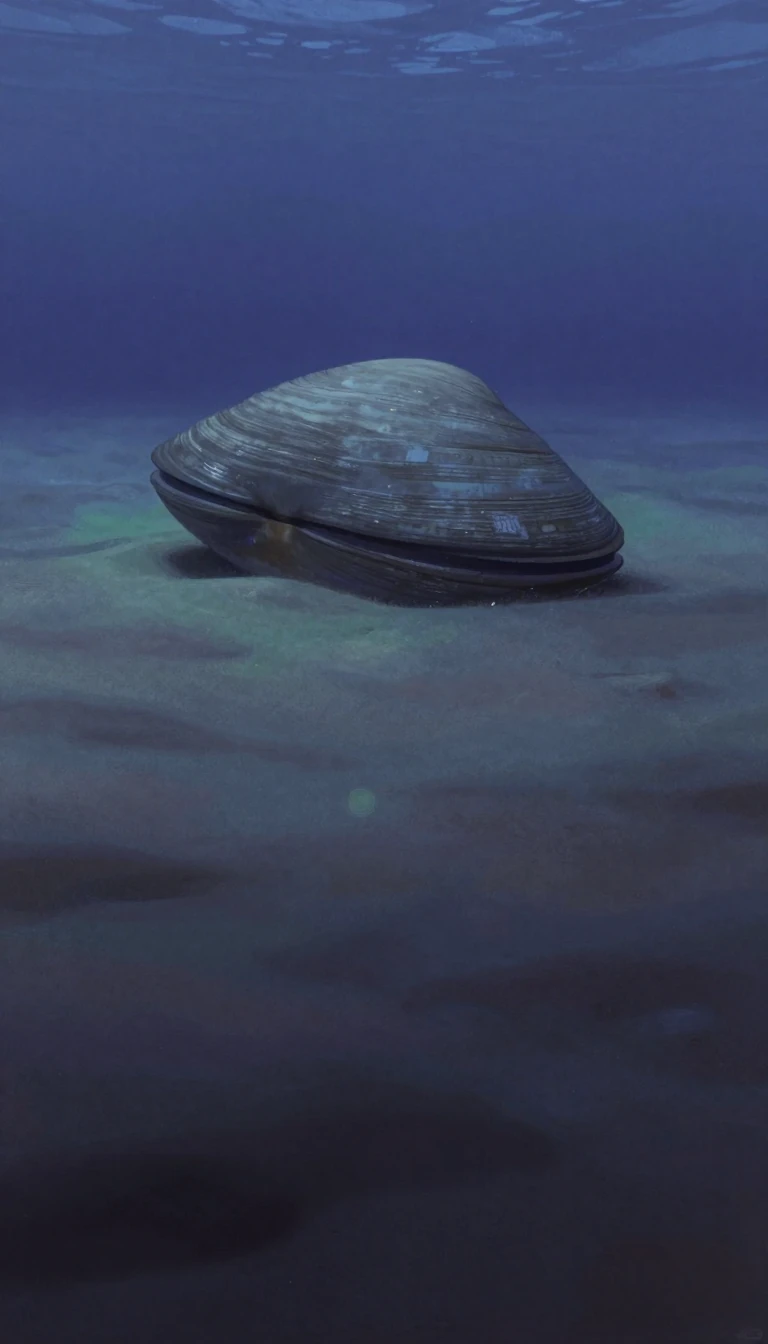 The hidden architects of the ocean floor and their role in climate regulationThey are often dismissed as mere scavengers, but the creatures living on the seabed perform a vital ecological service. From recycling organic matter to trapping greenhouse gases,…
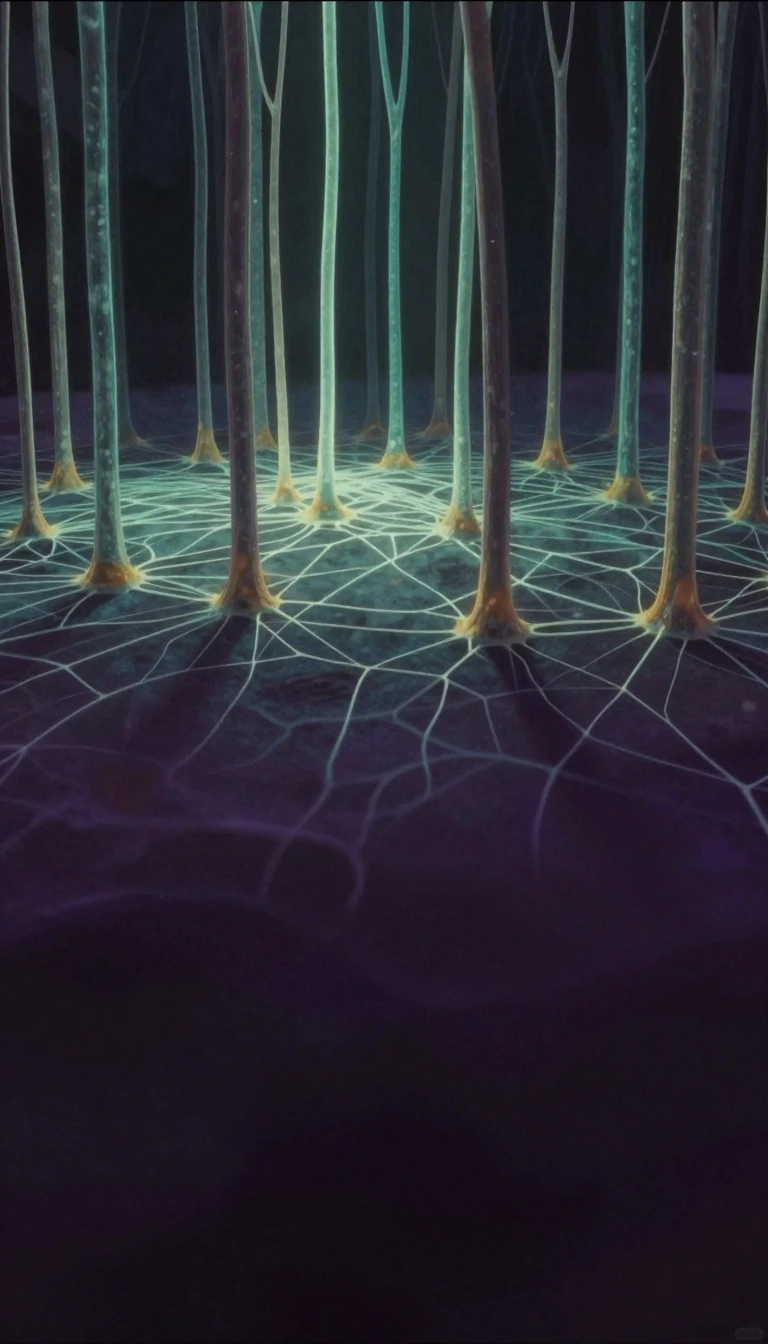 Why evolution might favor being blind in the deep darkIn the resource-scarce world of underground caves, having eyes could be a metabolic liability. For the Mexican blind cavefish, losing sight isn't just an accident of biology—it ma…
 The geometry of survival: why fish form perfect spheres under pressureWhen small fish are overwhelmed by predators, they abandon coordinated schooling for a desperate, last-ditch maneuver. They collapse into a tight bait ball—a spherical formation t…
 Beyond the Glass: The High-Stakes Science of Keeping Life UnderwaterAn aquarist is far more than a hobbyist with a goldfish bowl. It is a high-stakes balancing act of chemistry, biology, and engineering. Professionals must monitor intricate life-s…
 Sharks can 'see' your heartbeat through buried sandImagine hunting for prey that is completely hidden from sight, sound, and smell. For sharks and rays, this isn't a superpower—it is biology. Using specialized organs called ampull…
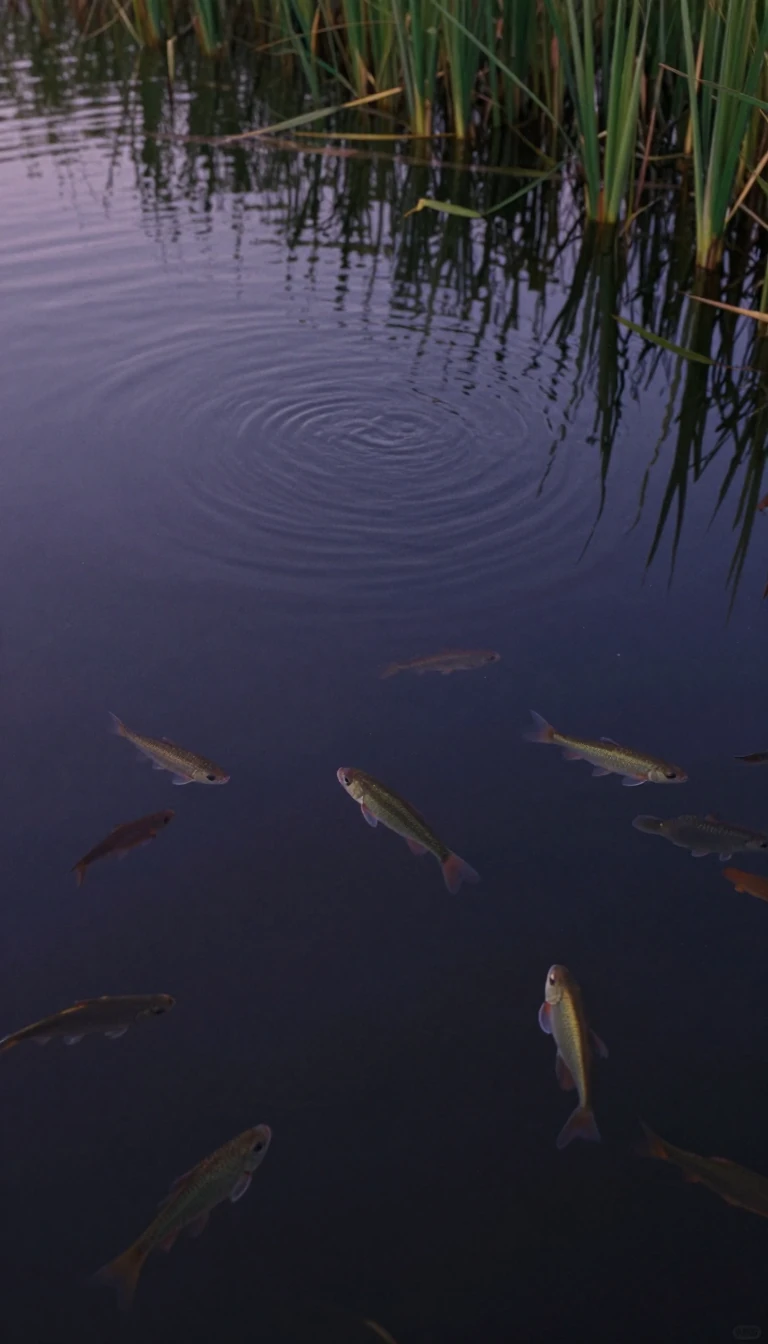 The evolution of fish that mastered the landWhile most fish are bound by the water's edge, some have broken free. From mudskippers that skip across swamps to lungfish that sleep in mud for years, these amphibious fish repre…
- Meet the fish that traded the open ocean for a life on landMudskippers are fish that defy expectations by spending significant time out of water. This video explores how these unique creatures navigate the mudflats, breathe air, and defen…
- Why this catfish spends its entire life swimming upside down on purposeIn most fish, a belly-up orientation signals illness or a failing swim bladder. Yet, for seven species of African catfish, this topsy-turvy posture is a highly evolved survival st…