Why your favorite vegetables are all the same plant in different disguises
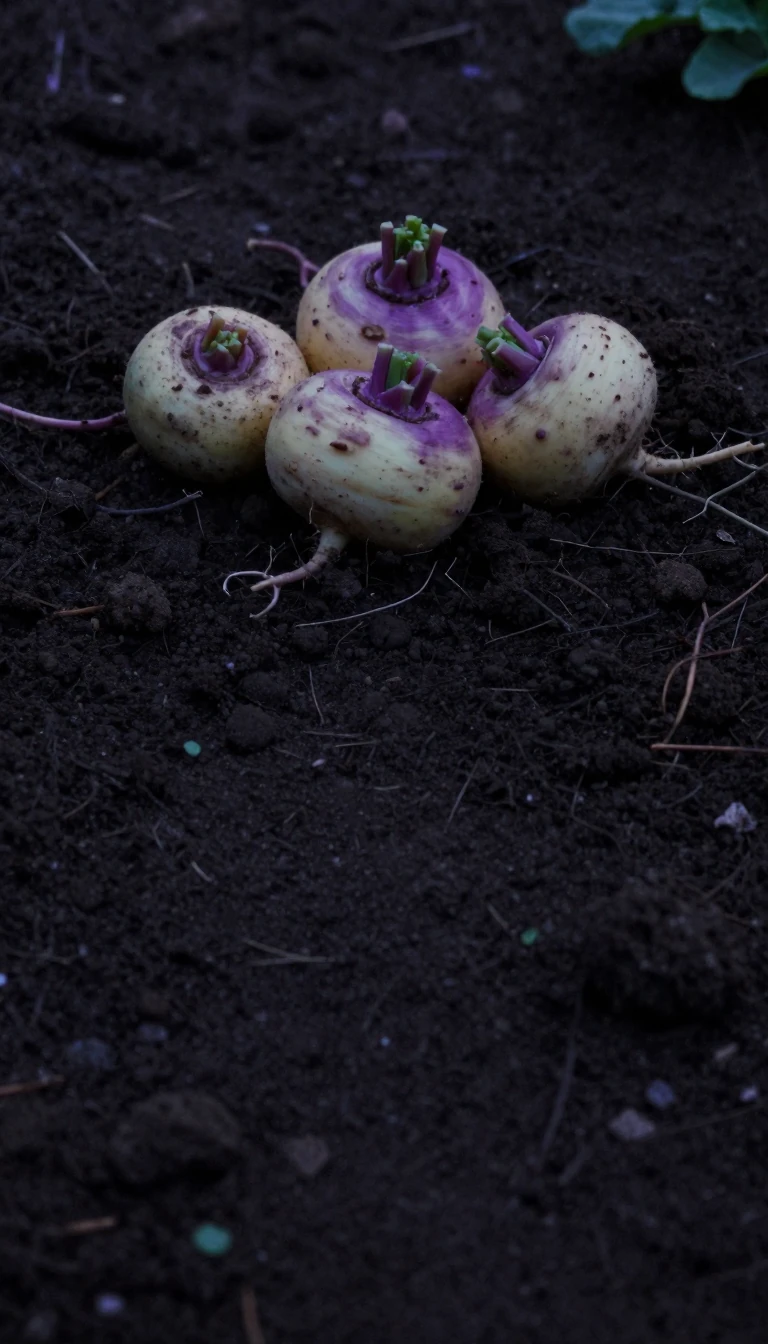
In short: From the crunch of kale to the florets of broccoli, many common vegetables are actually the same species: Brassica oleracea. Through centuries of artificial selection, humans have transformed a single wild coastal plant into a diverse array of culinary staples, each bred to emphasize a different part of its anatomy.
Wild Brassica oleracea is a hardy, salt-tolerant plant native to the limestone sea cliffs of Europe, particularly along the English Channel. In its natural state, it is a biennial or perennial that stores nutrients in a rosette of thick, grayish-green leaves. While rarely abundant in the wild, its ability to thrive in alkaline soils and store energy for winter made it an ideal candidate for early human cultivation, likely beginning in the Eastern Mediterranean.
The incredible variety we see in grocery stores today is the result of focused artificial selection. By prioritizing specific phenotypic traits—such as larger leaves, tighter buds, or thicker stems—farmers over centuries created distinct cultivars. Kale, which emphasizes leaf growth, emerged around the fifth century BC. By the first century AD, further selection led to the development of cabbage and kohlrabi. Later, in the 15th century, European preference for immature buds gave rise to broccoli and cauliflower, while Brussels sprouts were refined in Belgium during the 18th century.
This botanical transformation is so extreme that many cultivars appear unrelated. However, they share a genetic foundation that influences how we perceive them. The bitterness found in many of these vegetables is mediated by the TAS2R38 gene. This gene encodes a receptor that detects compounds similar to those found in these plants. Because of variations in this gene, individuals may have vastly different experiences of the same vegetable, with some people tasting intense bitterness while others remain largely indifferent to it.
Modern research continues to uncover the mechanisms behind these changes. A 2024 study of 704 sequences revealed large-scale shifts in gene expression that underpin these diverse forms, such as the arrested inflorescence seen in cauliflower. While the plant's appearance has been radically altered, its underlying biology remains a testament to the power of human intervention in shaping the natural world.
Opens the Intellect+ feed with this card first. Swipe up for the next one.
Sources
- Summary by Intellect · source: Brassica oleracea
- Also: iNaturalist — cabbage, broccoli, and allies (Brassica oleracea) · CC BY-SA 4.0 (Wikipedia summary)
To cite this card, link to https://intellectplus.co.uk/app/nature-brassica-oleracea.
How we source, check and correct cards: Editorial standards.
General information, not professional advice. Spotted an error? Flag the card or see corrections and complaints.
Intellect Plus is a visual educational discovery platform for exploring fascinating facts and ideas. Brain Food, Not Brain Rot. What is Intellect Plus?
Related
More in Organisms · More in Nature · Latest · A–Z · All topics
