Why did a medieval king build a fortress to mimic the walls of Constantinople?
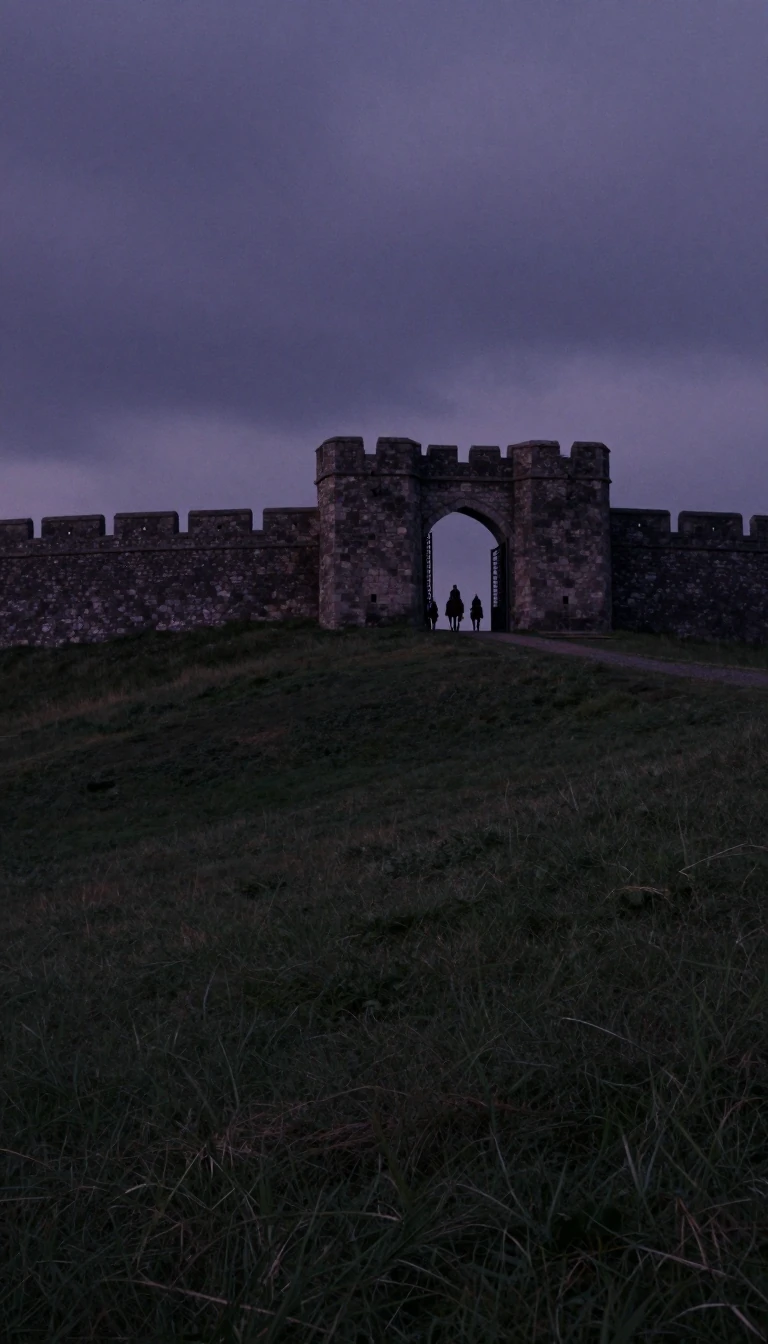
In short: Caernarfon Castle was more than a military stronghold; it was a deliberate architectural statement. By incorporating Roman-inspired design and imperial imagery, King Edward I sought to anchor his authority in ancient legend. This grand, unfinished monument served as the administrative heart of northern Wales for centuries, hiding secrets in its stone.
Commissioned by Edward I in 1283, Caernarfon Castle was designed to consolidate English control over Wales. Its master mason, James of Saint George, created a fortress that stood out from other Edwardian projects through its polygonal towers and distinctively banded masonry. Historians have long debated the inspiration behind this aesthetic. Arnold Taylor famously argued that the design was a conscious attempt to evoke the Walls of Constantinople, linking Edward’s rule to the prestige of the Roman Empire. This connection was further bolstered by the reported discovery of the remains of Magnus Maximus, a Roman emperor, during construction.
The castle’s layout was heavily influenced by the local landscape and the site's history. It was built upon a peninsula near the River Seiont, incorporating a motte from an 11th-century Norman fortification. While the exterior remains largely intact, the interior was never fully realized. Planned royal apartments and a Great Hall were left incomplete, and the rear sections of the King’s and Queen’s Gates were never finished. Despite these gaps, the castle was a formidable defensive asset, featuring advanced firing galleries that military historian Allen Brown described as one of the most significant concentrations of medieval firepower.
Throughout its history, the castle served as a flashpoint for conflict. It was captured during the 1294 rebellion led by Madog ap Llywelyn and later besieged by Owain Glyndŵr in the early 15th century. During the mid-1600s, while the country was embroiled in the English Civil War, the castle was held by Royalists and faced three separate sieges by Parliamentarian forces. Following this, the structure fell into significant disrepair until the 19th century, when state-funded restoration efforts began. Today, the site is managed by Cadw and remains a powerful symbol of the complex, often violent, history of Anglo-Welsh relations.
Recent scholarship offers a nuanced perspective on the castle's symbolic intent. While the imperial Roman connection is well-documented, historian Abigail Wheatley suggests that the design also aimed to tap into Arthurian legitimacy. By weaving together Roman history and local myth, Edward I created a structure that was intended to be more than a military base; it was a physical manifestation of his right to rule, designed to impress and intimidate both his subjects and his rivals.
Opens the Intellect+ feed with this card first. Swipe up for the next one.
Sources
- Summary by Intellect · source: Caernarfon Castle
To cite this card, link to https://intellectplus.co.uk/app/nature-caernarfon-castle.
How we source, check and correct cards: Editorial standards.
General information, not professional advice. Spotted an error? Flag the card or see corrections and complaints.
Intellect Plus is a visual educational discovery platform for exploring fascinating facts and ideas. Brain Food, Not Brain Rot. What is Intellect Plus?
Related
More in UK & Ireland: nature · More in Nature · Latest · A–Z · All topics
