How a Roman fort became a Victorian masterpiece
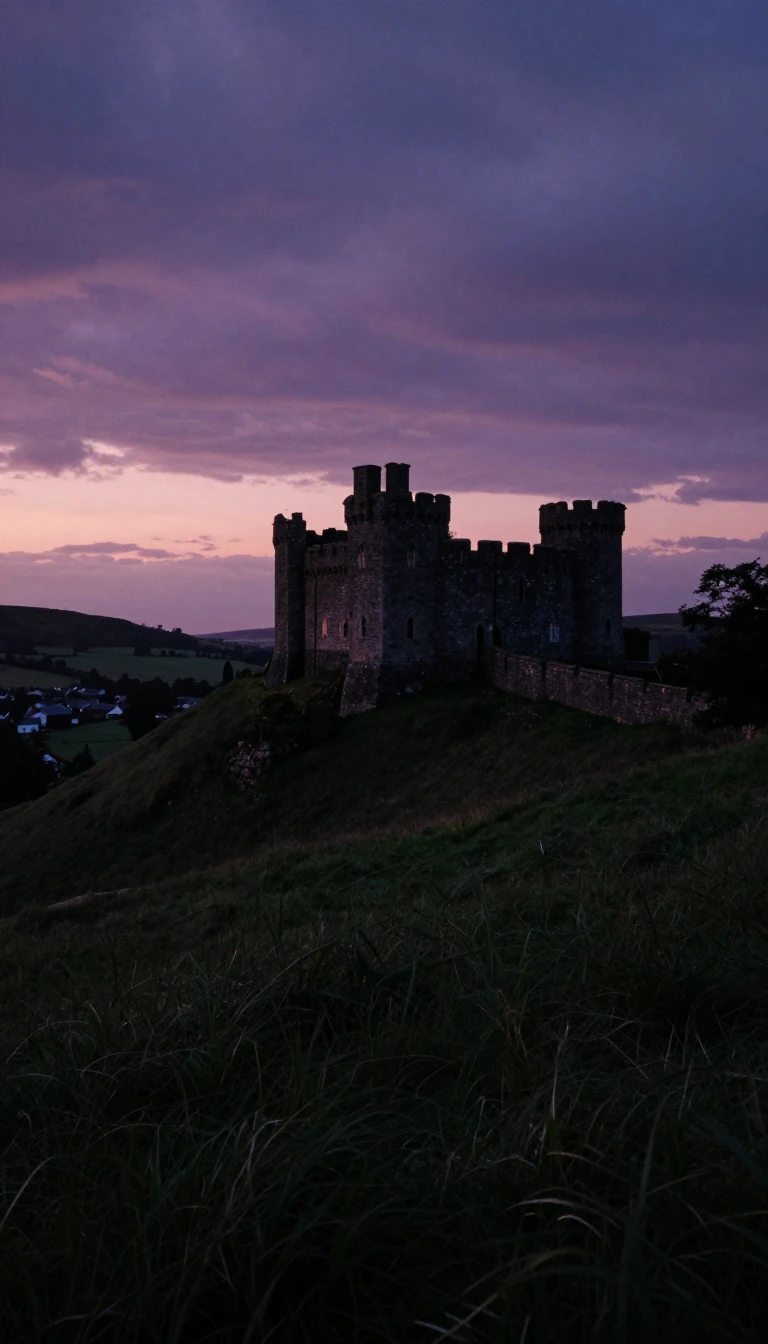
In short: Cardiff Castle is a physical timeline of conquest and luxury. From a 3rd-century Roman outpost to a medieval stronghold and finally a lavish Gothic revival mansion, its walls have been rebuilt, raided, and reimagged by emperors, lords, and coal magnates for nearly two millennia.
The site's history begins with Roman military strategy. Around AD 55, a rectangular fort served as a defensive border during the conquest of the Silures. By the mid-3rd century, a new, nearly square fort—measuring approximately 635 by 603 feet—was constructed to combat coastal pirates. This Roman foundation, built with limestone brought by sea from Penarth, provided the structural blueprint for what followed. The original fortification was much larger than the current site, and the River Taff shaped its irregular boundaries. This outpost was occupied until at least the end of the 4th century.
Following the Norman invasions in the late 11th century, the site was transformed into a motte-and-bailey castle. Builders used the remains of collapsed Roman walls to create an outer perimeter, topped with a 27-foot high earth bank. The Normans also erected a massive 40-foot earth motte, the largest in Wales, featuring a wooden keep and a 30-foot wide moat. Over the centuries, the castle's role shifted from a military bastion—surviving sieges by Owain Glyndŵr in 1404—to a residential estate. The 13th-century expansion included the Black Tower and stone walls for the inner bailey. Later, the 15th-century Earl of Warwick added a 75-foot octagonal tower and a new domestic range.
The most dramatic transformation occurred in the 19th century, funded by the immense wealth of the coal industry. The 3rd Marquess of Bute commissioned architect William Burges to execute an extensive Gothic revival programme. Burges reimagined the interior with designs now considered among the most magnificent of the era. He even integrated Roman-style gatehouses and walls into the new design, blending ancient ruins with Victorian opulence to create the landmark seen today. The 1st Marquess of Bute previously had the grounds landscaped by Capability Brown. This transformation turned the site into a Georgian mansion before the Gothic revival era began.
Opens the Intellect+ feed with this card first. Swipe up for the next one.
Sources
- Summary by Intellect · source: Cardiff Castle
- Also: Wikidata — Cardiff Castle · CC0
- Also: Wikidata — Cardiff Castle · CC0
To cite this card, link to https://intellectplus.co.uk/app/places-cardiff-castle.
How we source, check and correct cards: Editorial standards.
General information, not professional advice. Spotted an error? Flag the card or see corrections and complaints.
Intellect Plus is a visual educational discovery platform for exploring fascinating facts and ideas. Brain Food, Not Brain Rot. What is Intellect Plus?
Related
More in UK & Ireland: places · More in Countries & Cities · Latest · A–Z · All topics
