From ancient city walls to modern tanks, the casemate has defined military defense.
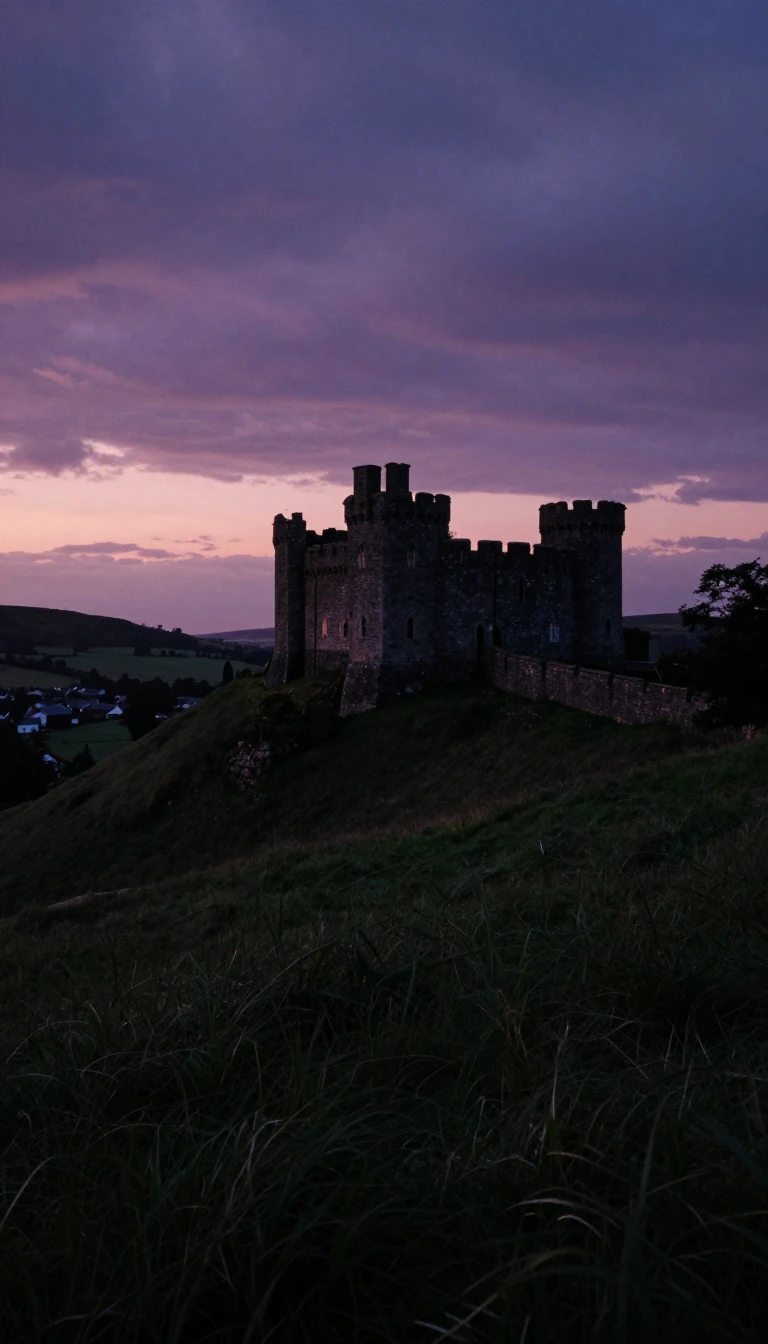
In short: A casemate is a protected, vaulted chamber designed to shield artillery, troops, or supplies. Whether built into the stone of a fortress, the hull of an ironclad warship, or the chassis of a tank, this architectural concept has evolved for centuries to balance firepower with survival on the battlefield.
The term likely derives from the Italian casamatta, potentially meaning a low-roofed hut or a gap in a wall. In antiquity, the casemate wall—a double-walled structure with internal chambers—provided a robust defense against battering rams. By the 16th century, the concept shifted to vaulted chambers in forts. These spaces were initially used for storage or accommodation, but engineers soon realized they could serve as protected gun positions. Despite early issues with smoke dispersal, innovators like the Marquis de Montalembert refined these designs in the 18th century, creating multi-tiered coastal batteries that influenced fortifications in the United States, such as Castle Williams.
During the 19th century, the casemate found a new home at sea. As ironclad warships emerged, designers faced the challenge of protecting guns without adding excessive weight. By creating an armored box or central battery around the main gun deck, engineers could shield artillery while leaving less critical areas unarmored. These casemates were favored for their manual operation and dispersed layout, which prevented a single hit from disabling all shipboard guns. However, as naval technology advanced toward 'all-big gun' battleships and rotating turrets, the casemate’s utility in warships eventually waned, though it remained in use for secondary batteries well into the 20th century.
On land, the casemate design saw a significant resurgence in armored fighting vehicles during World War II. By mounting a gun directly into the hull rather than a rotating turret, engineers could reduce a vehicle's profile, simplify its mechanics, and increase armor thickness. Germany’s Sturmgeschütz III and various Soviet 'SU' series tank destroyers utilized this approach to great effect. While the rise of the universal main battle tank largely rendered these specialized designs obsolete in the post-war era, the concept persisted in unique vehicles like the Swedish Stridsvagn 103. Today, the casemate remains a testament to the perpetual engineering struggle to protect weaponry while maintaining the ability to strike back.
Opens the Intellect+ feed with this card first. Swipe up for the next one.
Sources
- Summary by Intellect · source: Casemate
To cite this card, link to https://intellectplus.co.uk/app/nature-casemate.
How we source, check and correct cards: Editorial standards.
General information, not professional advice. Spotted an error? Flag the card or see corrections and complaints.
Intellect Plus is a visual educational discovery platform for exploring fascinating facts and ideas. Brain Food, Not Brain Rot. What is Intellect Plus?
Related
More in Organisms · More in Nature · Latest · A–Z · All topics
