Why did the British build a prison where every inmate was kept in isolation?
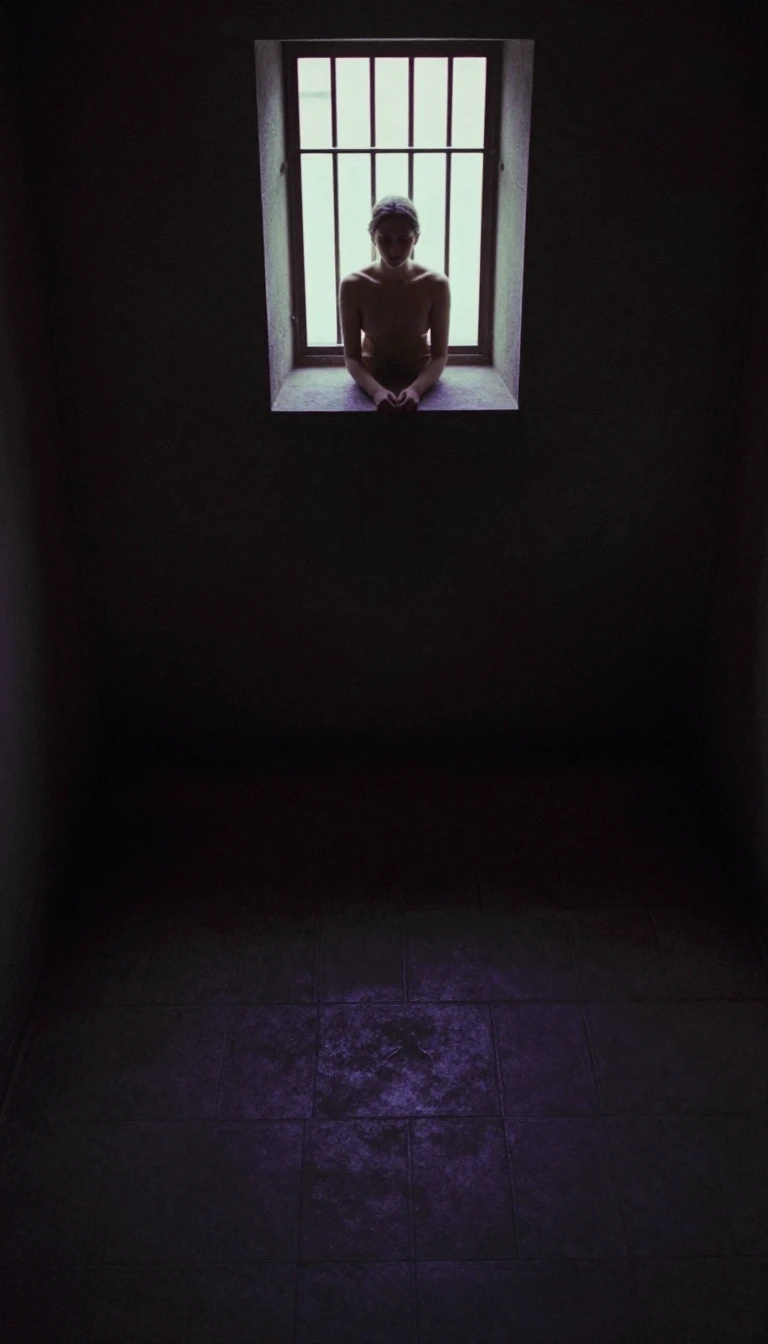
In short: The Cellular Jail in the Andaman Islands was designed as a panopticon, using a wheel-spoke layout to ensure total solitary confinement. By physically preventing communication between prisoners, the British colonial government aimed to break the spirit of independence activists, turning a remote island chain into a site of systematic exclusion.
Constructed between 1896 and 1906, the Cellular Jail was the culmination of British efforts to manage political dissent following the 1857 Indian Rebellion. The facility featured seven wings radiating from a central watchtower, a design inspired by Jeremy Bentham’s panopticon. With 696 individual cells, the structure was engineered to make interaction impossible; the layout ensured that the face of a cell in one wing looked only at the back of cells in another, enforcing absolute isolation.
The prison was a tool of psychological and physical attrition. Inmates, many of whom were prominent independence activists, faced forced labor, medical experimentation, and brutal conditions. The term 'Kālā Pānī'—or 'Black Water'—referred not only to the remote location but also to the fear that crossing the ocean would lead to a loss of caste and social ostracization. For those who resisted, hunger strikes were common, often met with forced feeding that occasionally resulted in death, as seen in the 1933 protests where three prisoners died.
The site’s history shifted dramatically during the 20th century. Following a 1941 earthquake and subsequent Japanese occupation during World War II, the prison was repurposed as a camp for British prisoners of war. After India gained independence, further demolition occurred to make space for the Govind Ballabh Pant Hospital, established in 1963. Today, only three wings and the central tower remain, serving as a national memorial declared by Prime Minister Morarji Desai in 1979, preserving the memory of those who endured the facility's harsh regime.
Opens the Intellect+ feed with this card first. Swipe up for the next one.
Sources
- Summary by Intellect · source: Cellular Jail
To cite this card, link to https://intellectplus.co.uk/app/nature-cellular-jail.
How we source, check and correct cards: Editorial standards.
General information, not professional advice. Spotted an error? Flag the card or see corrections and complaints.
Intellect Plus is a visual educational discovery platform for exploring fascinating facts and ideas. Brain Food, Not Brain Rot. What is Intellect Plus?
Related
More in Physical geography · More in Nature · Latest · A–Z · All topics
