Built by convicts and designed for isolation, this fortress became a modern heritage site.
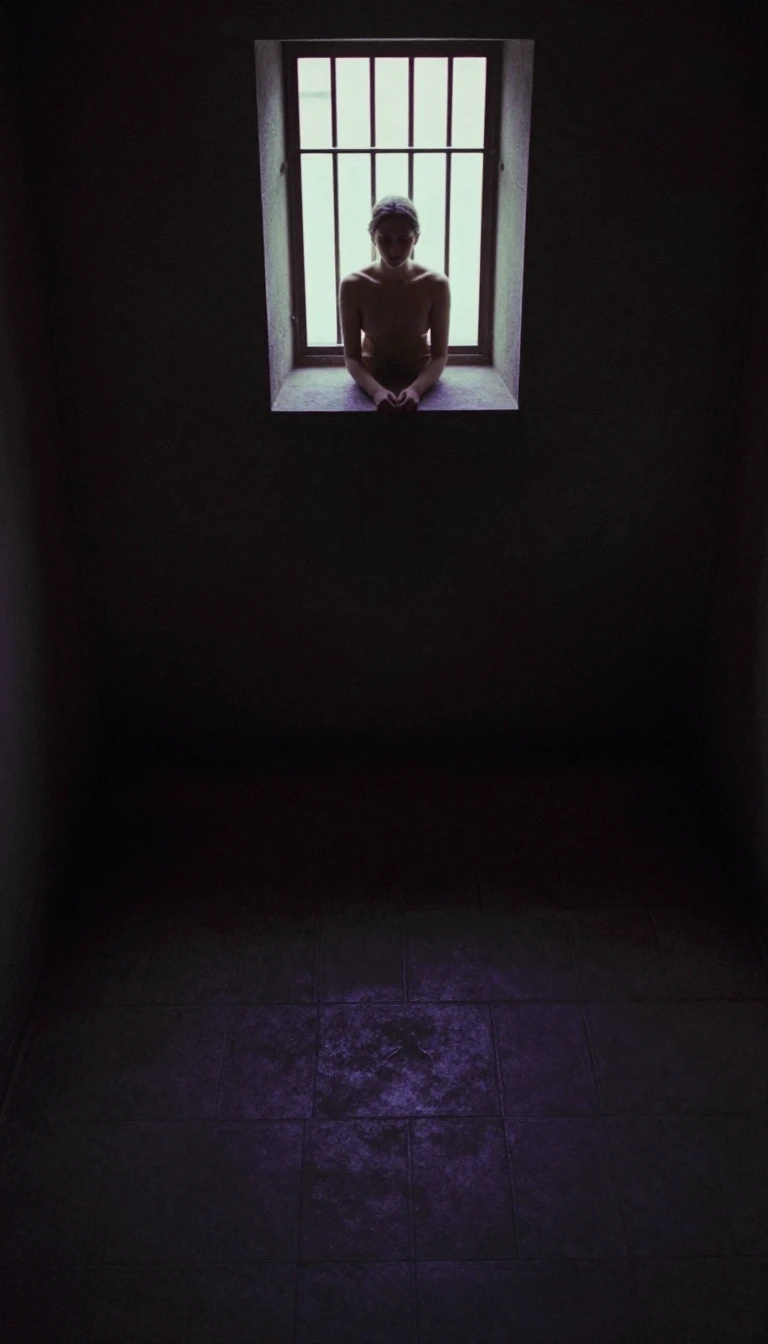
In short: Fremantle Prison began as a colonial convict establishment in 1850, eventually evolving into a maximum-security facility that defined Western Australian penal history. After 141 years of operation, including riots and military use, the site transitioned from a place of punishment into a World Heritage-listed tourist attraction and community hub.
Established in 1850 following the unexpected arrival of the convict ship Scindian, Fremantle Prison was constructed by inmates using locally quarried limestone. Designed by Royal Engineer Edmund Henderson, the facility was modeled on Britain's Pentonville Prison but featured a massive four-storey linear cell block. For decades, it served as the primary site for convict labour, with prisoners building infrastructure and maintaining the prison's own complex, which included a gatehouse, hospital, and a network of tunnels designed to tap into a local aquifer.
The prison's internal culture was notoriously rigid. Throughout the 19th and early 20th centuries, life was defined by extreme regulation, including the use of buckets instead of toilets and the implementation of the separate system, which forced inmates into total isolation. Despite various Royal Commissions in 1898 and 1911 aimed at reform, the institution remained resistant to change. By the late 20th century, the prison faced severe overcrowding and rising violence, culminating in a major 1988 riot that resulted in $1.8 million in damage and the eventual closure of the facility in 1991.
Following its decommissioning, the site underwent a complex transformation. While historical conservation efforts initially focused heavily on the 1850–1886 convict era, the prison's later history—including its role in housing Aboriginal prisoners and its use as a military internment centre during World War II—has since been integrated into its narrative. Today, the former prison serves as a significant heritage site, with its cell blocks, chapels, and workshops repurposed for tourism, education, and community use, marking a stark departure from its original function as a place of confinement.
Opens the Intellect+ feed with this card first. Swipe up for the next one.
Sources
- Summary by Intellect · source: Fremantle Prison
- Also: Wikidata — Fremantle Prison · CC0
To cite this card, link to https://intellectplus.co.uk/app/places-fremantle-prison.
How we source, check and correct cards: Editorial standards.
General information, not professional advice. Spotted an error? Flag the card or see corrections and complaints.
Intellect Plus is a visual educational discovery platform for exploring fascinating facts and ideas. Brain Food, Not Brain Rot. What is Intellect Plus?
Related
More in Bodies of water · More in Countries & Cities · Latest · A–Z · All topics
