Chalcedony is a microscopic silica aggregate that has shaped human history for millennia
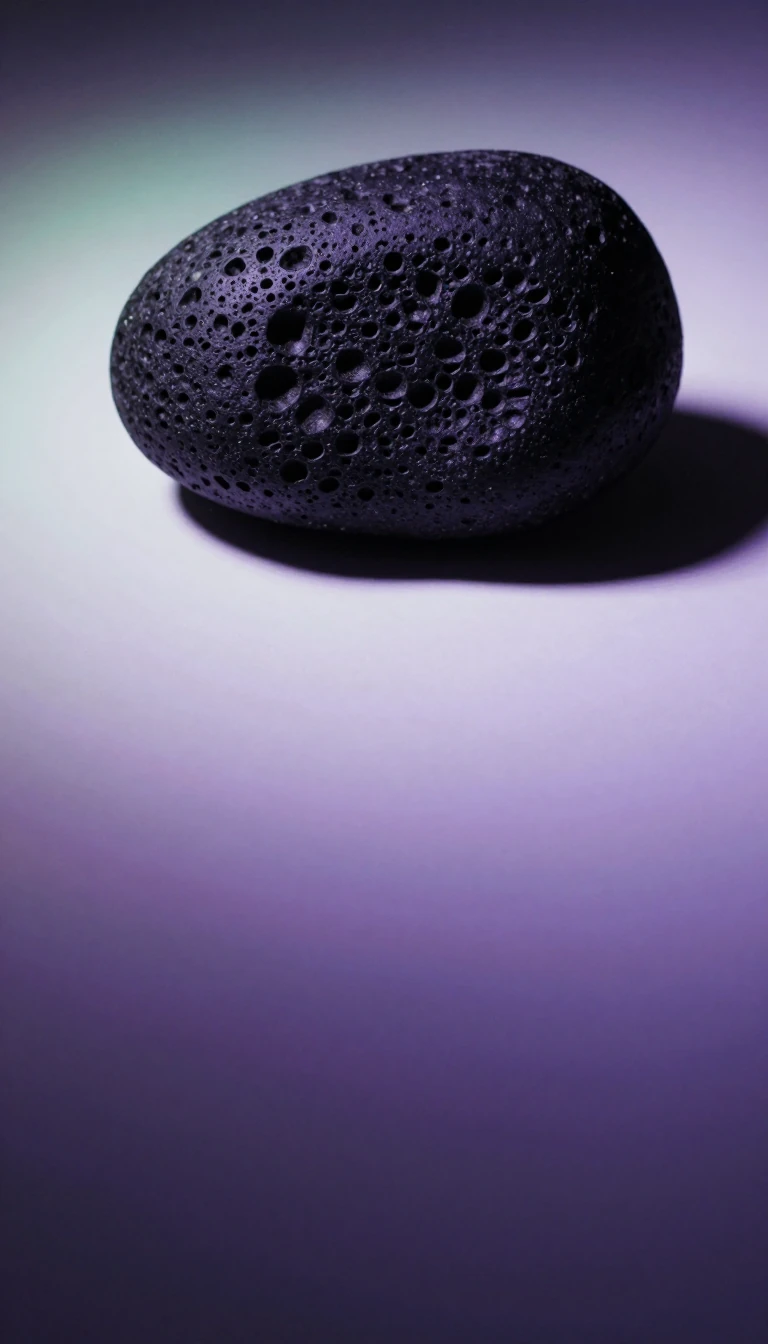
In short: Beneath its waxy luster, chalcedony hides a complex internal structure of tiny, twisted silica fibers. While often mistaken for simple quartz, this mineral is a unique aggregate that has served as everything from prehistoric stone tools to the intricate seals of ancient civilizations and the vibrant pigments of cave art.
At its core, chalcedony is an aggregate of microcrystalline or cryptocrystalline silica, meaning its individual crystals are too small to be seen without magnification. While primarily composed of quartz, it often contains moganite, a quartz polymorph with a different, monoclinic crystal structure. Unlike the anhydrous nature of macroscopic quartz, chalcedony typically holds small amounts of water. Mineralogically, it is defined by fibrous crystals that twist into helical shapes, measuring between 0.1 and 1.0 micrometers in diameter.
The mineral’s versatility has made it a staple of human craftsmanship since at least 32,000 BP, when it was used for tool making in Central Australia. By the Bronze Age, it was prized for its utility in seal-making—specifically because hot wax does not adhere to its surface—and for its aesthetic appeal in jewelry. Ancient artisans, from the Minoans at the Palace of Knossos around 1800 BC to those in the Kushan Empire, carved the stone into intricate intaglios and beads. It even found its way into prehistoric cave paintings, where it was ground into powder and mixed with binders like animal fat.
Today, chalcedony is recognized in a dazzling array of varieties, many of which are popular semi-precious gemstones. These include the banded patterns of agate, the iron-rich bloodstone, and the nickel-colored chrysoprase. While some colorations are natural, commercial specimens are frequently enhanced through heating or dyeing. Despite being chemically identical to quartz, chalcedony remains more soluble under low-temperature conditions, a quirk attributed to its small crystal size, internal defects from Brazil twinning, and the presence of the metastable moganite component.
The name itself remains a subject of scholarly debate, often linked to the ancient town of Chalcedon in Asia Minor, though some etymologists consider this connection doubtful. It appears in historical texts ranging from Pliny the Elder’s Naturalis Historia to the Book of Revelation, though the latter’s reference is a hapax legomenon, leaving its exact mineralogical identity uncertain. Whether viewed through the lens of geology or archaeology, chalcedony stands as a testament to the enduring relationship between humanity and the earth’s hidden structures.
Opens the Intellect+ feed with this card first. Swipe up for the next one.
Sources
- Summary by Intellect · source: Chalcedony
To cite this card, link to https://intellectplus.co.uk/app/nature-chalcedony.
How we source, check and correct cards: Editorial standards.
General information, not professional advice. Spotted an error? Flag the card or see corrections and complaints.
Intellect Plus is a visual educational discovery platform for exploring fascinating facts and ideas. Brain Food, Not Brain Rot. What is Intellect Plus?
Related
More in Geology · More in Nature · Latest · A–Z · All topics
