The ancient Greek secret behind the straight fractures of orthoclase
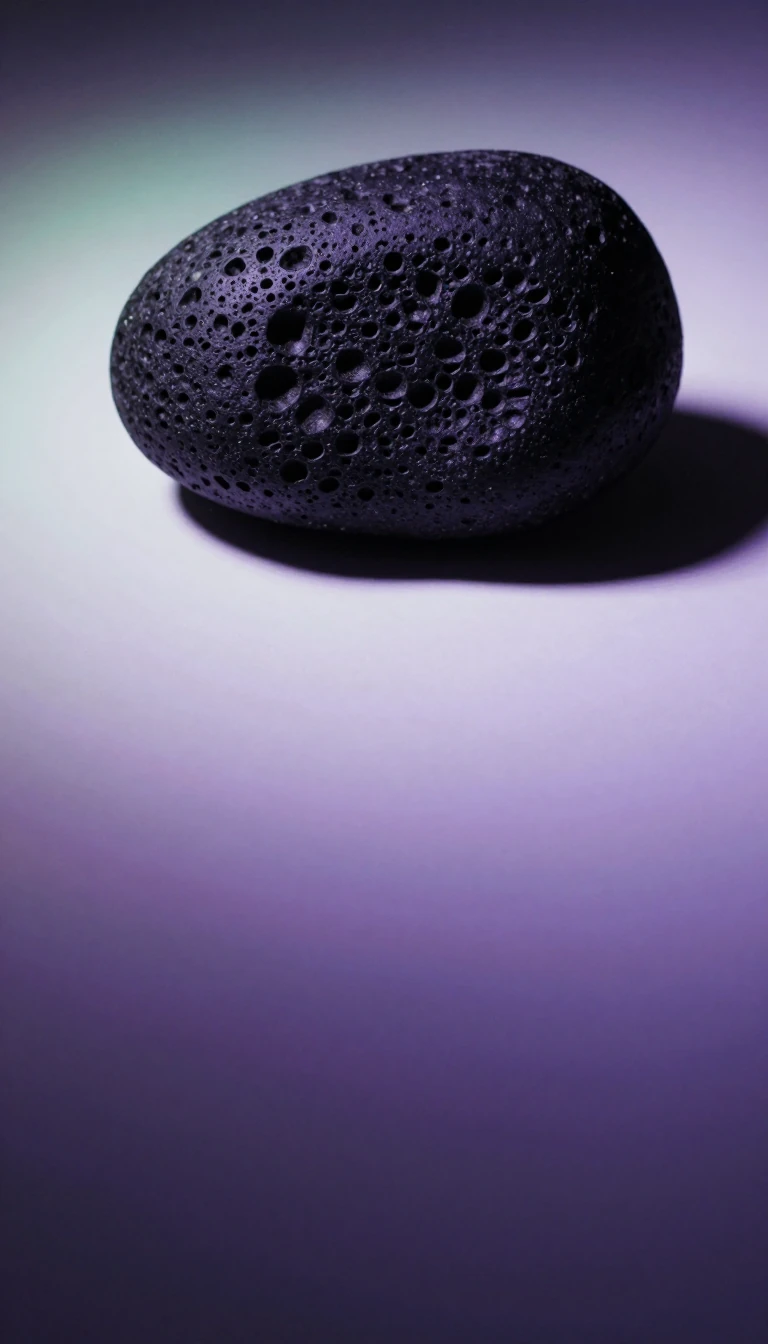
In short: From the massive crystals of the Ural Mountains to the sands of Mars, orthoclasse is a geological heavyweight. This essential tectosilicate mineral does more than just form granite; it hides complex chemical histories within its very structure, creating the ethereal glow of moonstones and revealing the volcanic past of distant planets.
Named from the Ancient Greek for 'straight fracture,' orthoclase is defined by its two cleavage planes that meet at right angles. As a primary component of potassium feldspar (KAlSi3O8), it is a fundamental building block of felsic igneous rocks and granites. Its physical presence can be immense; the largest documented single crystal was discovered in Russia's Ural Mountains, weighing approximately 100 tonnes and measuring roughly 10 meters by 10 meters.
The mineral's internal architecture tells a story of thermal evolution. As molten material cools slowly within the Earth, orthoclase often undergoes a process called exsolution. Here, sodium-rich albite lamellae separate from the potassium-rich host, creating a distinct intergrowth known as perthite. This chemical shifting also produces different polymorphs depending on temperature: sanidine forms in rapidly cooled volcanic rocks like obsidian, while microcline represents the lower-temperature state.
Beyond its geological significance, orthoclase has profound aesthetic and industrial utility. It is a key ingredient in ceramics like porcelain, glass manufacturing, and even scouring powders. In gemology, when orthoclase intergrows with albite, it creates the 'adularescence'—a billowy, silvery white luster—seen in moonstone. Interestingly, the 'rainbow moonstone' often sold in jewelry is actually a colorless form of labradorite, distinguishable by its higher transparency.
The reach of this mineral extends even beyond Earth. NASA's Curiosity rover detected high levels of orthoclase in Martian sandstones. This discovery is significant to planetary science, as it suggests that Martian rocks may have undergone complex geological processing, such as repeated cycles of melting.
Opens the Intellect+ feed with this card first. Swipe up for the next one.
Sources
- Summary by Intellect · source: Orthoclase
To cite this card, link to https://intellectplus.co.uk/app/nature-orthoclase.
How we source, check and correct cards: Editorial standards.
General information, not professional advice. Spotted an error? Flag the card or see corrections and complaints.
Intellect Plus is a visual educational discovery platform for exploring fascinating facts and ideas. Brain Food, Not Brain Rot. What is Intellect Plus?
Related
More in Geology · More in Nature · Latest · A–Z · All topics
