The world's softest fur coat requires 150 pelts and a history of near-extinction.
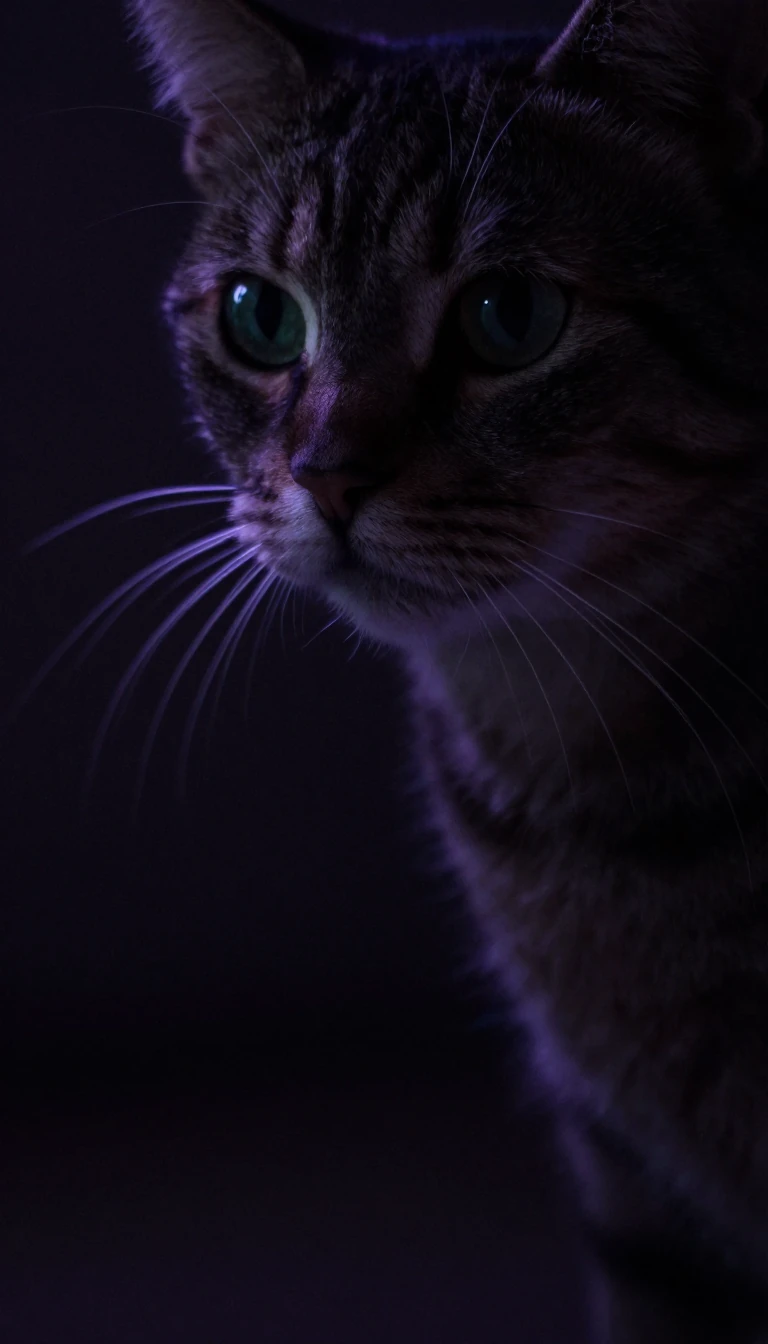
In short: With the densest fur of any land mammal, the chinchilla has been prized for centuries. Yet, this velvet-like coat nearly cost the species its existence. Once widespread across the Andes, these agile rodents are now endangered, surviving in the wild only in Chile, while their domestic descendants thrive in captivity.
Native to the high-elevation Andes, chinchillas are crepuscular rodents belonging to the family Chinchillidae. They possess a remarkable biological adaptation for their cold, mountainous environment: fur so dense that approximately 20,000 hairs sprout from each square centimeter, with 50 hairs emerging from every single follicle. This extreme density, which resists parasites and provides insulation, has made them a target for the international fur trade since the 16th century.
The genus includes two species: the short-tailed Chinchilla chinchilla and the long-tailed Chinchilla lanigera. Historically, their range spanned parts of Argentina, Bolivia, Chile, and Peru. However, human overexploitation for their pelts caused a catastrophic decline. By 1914, experts warned of impending extinction. Today, wild populations are confirmed only in Chile, and both species are classified as Endangered by the IUCN. A global population loss of approximately 90% has been recorded since 2001, driven by continued poaching despite legal protections.
Beyond their fur, chinchillas are complex social animals that live in herds of up to 100 individuals. They are agile jumpers, capable of clearing 1.8 meters, and rely on dust baths in fine pumice to maintain their coat hygiene. In captivity, they are popular pets, though they require specialized care, including temperature-controlled environments, as they cannot sweat. Their unique physiology—including teeth that grow continuously throughout their lifespan—makes them valuable models for auditory and medical research, a practice that has persisted since the 1950s.
While domestic chinchillas are descended from the long-tailed C. lanigera, they represent a stark contrast to their wild counterparts. In the wild, an average lifespan is ten years, whereas those in human care may live up to 20 years. Despite their resilience, they remain sensitive creatures, prone to stress-induced behaviors like fur-chewing and susceptible to various digestive and respiratory ailments, highlighting the delicate balance required to maintain these animals outside their natural, rugged habitat.
Opens the Intellect+ feed with this card first. Swipe up for the next one.
Sources
- Summary by Intellect · source: Chinchilla
To cite this card, link to https://intellectplus.co.uk/app/nature-chinchilla.
How we source, check and correct cards: Editorial standards.
General information, not professional advice. Spotted an error? Flag the card or see corrections and complaints.
Intellect Plus is a visual educational discovery platform for exploring fascinating facts and ideas. Brain Food, Not Brain Rot. What is Intellect Plus?
Related
More in Physical geography · More in Nature · Latest · A–Z · All topics
