Chittor Fort was a self-sustaining fortress capable of supporting 50,000 soldiers for four years.
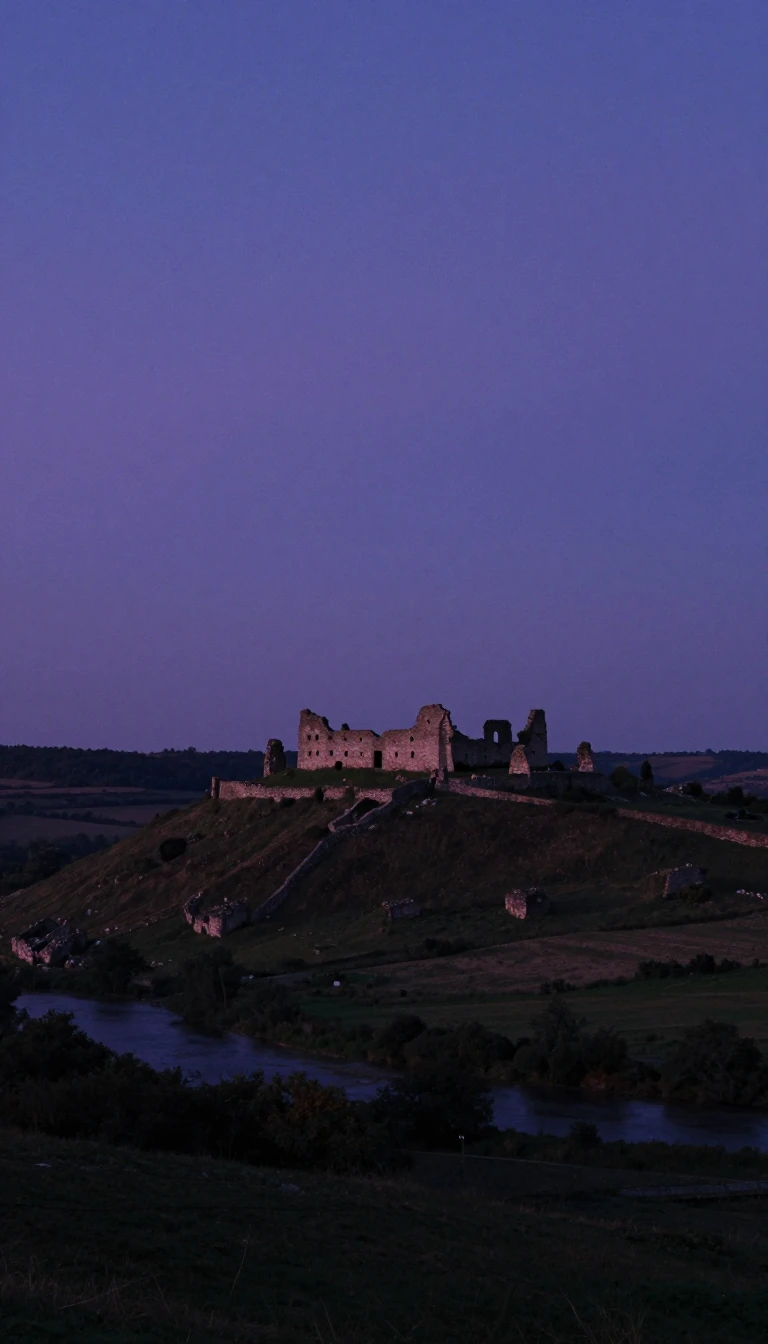
In short: Perched on a 180-meter-high plateau, this massive Indian stronghold once relied on 84 sophisticated water bodies to survive brutal, months-long sieges. While its history is defined by legendary battles and dramatic sacrifices, its physical geography reveals a masterclass in ancient defensive engineering and long-term survival strategy.
Chittor Fort, a UNESCO World Heritage Site in Rajasthan, dominates the landscape from a rocky plateau rising abruptly 180 meters above the surrounding plains. Spanning approximately 280 to 700 hectares depending on the survey, the fort’s strategic design allowed it to serve as the capital of Mewar for centuries. Its defensive architecture is most evident in the seven massive stone gates built by Rana Kumbha in the 15th century, which feature pointed arches and notched parapets specifically reinforced to withstand elephant charges and cannon fire.
The fort’s most remarkable feature was its water management system. Originally boasting 84 water bodies—including ponds, wells, and stepwells—the complex could store four billion litres of water. This capacity was sufficient to sustain an army of 50,000 people for four years, a critical advantage during the frequent sieges it endured. Even today, 22 of these reservoirs remain, fed by natural catchment and rainfall. A unique spring, carved into the shape of a cow's mouth, served as a vital water source during times of conflict.
The site’s history is a sequence of conquest and resilience. Following the introduction of heavy artillery in the 16th century, the fort’s vulnerability to modern warfare led to its desertion in 1568 after a four-month siege by the Mughal Emperor Akbar. The capital was subsequently relocated to Udaipur, where the terrain offered better protection against cavalry and artillery. Despite its eventual abandonment as a royal seat, the fort remains a monumental testament to Rajput military engineering, housing 65 historic structures including palaces, temples, and victory towers.
Today, the fort is not merely a ruin but a living site, home to a municipal ward of approximately 3,000 inhabitants. While legends of queens and dramatic jauhar rituals often dominate the narrative, the physical reality of the fort—its zig-zag ascent, limestone bridges, and integrated circular fortifications—highlights why it remained a coveted prize for centuries. It stands as a complex, multi-layered relic where medieval defensive tactics meet the enduring necessity of water in an arid landscape.
Opens the Intellect+ feed with this card first. Swipe up for the next one.
Sources
- Summary by Intellect · source: Chittor Fort
To cite this card, link to https://intellectplus.co.uk/app/nature-chittor-fort.
How we source, check and correct cards: Editorial standards.
General information, not professional advice. Spotted an error? Flag the card or see corrections and complaints.
Intellect Plus is a visual educational discovery platform for exploring fascinating facts and ideas. Brain Food, Not Brain Rot. What is Intellect Plus?
Related
More in Physical geography · More in Nature · Latest · A–Z · All topics
