The Comoro Islands are a volcanic chain where the youngest land is still growing
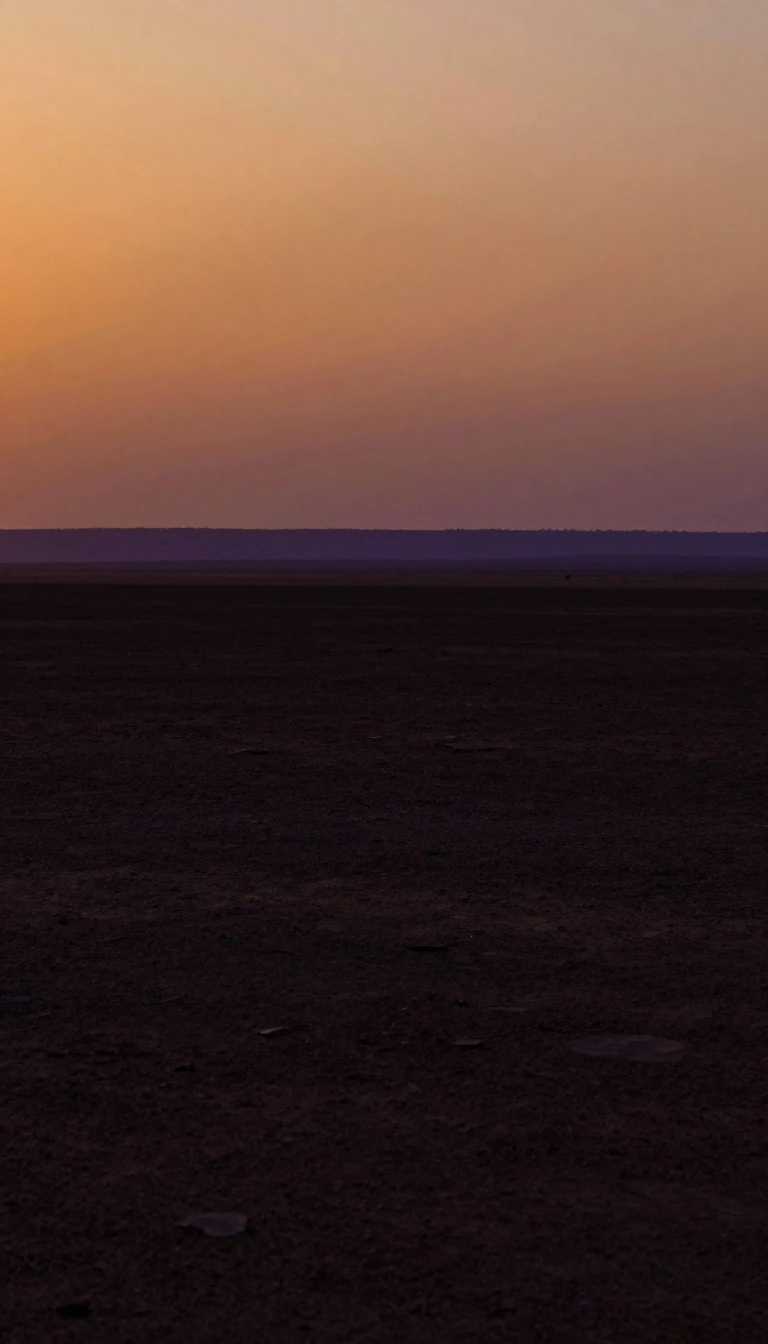
In short: Rising from the Mozambique Channel, the Comoro Islands are a geological paradox. While Mayotte stands as the ancient elder of the group, Grande Comore remains a restless, volcanically active landscape. This archipelago, shaped by shifting tectonic forces, hosts a unique ecosystem where life arrived across the sea, not from the mainland.
The Comoro Islands emerged during the Tertiary and Quaternary periods, forming a chain that reveals its age through its geography. The islands follow a clear chronological progression, with the oldest landmasses located in the east and the youngest in the west. Mayotte, the most ancient of the islands, experienced three distinct periods of volcanic activity between 15 million and 500,000 years ago. In contrast, Grande Comore is the youngest island and continues to experience volcanic activity today, dominated by the massive Karthala shield volcano.
Because of their oceanic origin, the islands lack the large terrestrial mammals found on the nearby African continent, such as elephants or lions. Instead, the archipelago hosts a specialized collection of species, including two endemic fruit bats and various lemurs. The islands' freshwater systems are equally distinct; because they are relatively young and isolated, they contain no primary freshwater fish families, as these species cannot tolerate the saltwater crossing required to reach the volcanic peaks.
Human history has left a deep mark on this fragile environment. Since the 6th century, waves of settlers have introduced new species and agricultural practices, from colonial perfume plantations to the modern cultivation of ylang-ylang. Today, the islands face significant ecological pressures, including the loss of forest cover and the invasion of exotic plants like guava trees. Efforts are now underway to protect the remaining wild lands and manage the water supply, balancing the needs of a growing population with the preservation of the archipelago's rare biodiversity.
Opens the Intellect+ feed with this card first. Swipe up for the next one.
Sources
- Summary by Intellect · source: Comoro Islands
To cite this card, link to https://intellectplus.co.uk/app/nature-comoro-islands.
How we source, check and correct cards: Editorial standards.
General information, not professional advice. Spotted an error? Flag the card or see corrections and complaints.
Intellect Plus is a visual educational discovery platform for exploring fascinating facts and ideas. Brain Food, Not Brain Rot. What is Intellect Plus?
Related
More in Physical geography · More in Nature · Latest · A–Z · All topics
