Beyond the urban sprawl, the Community of Madrid hides a surprisingly wild, diverse landscape.
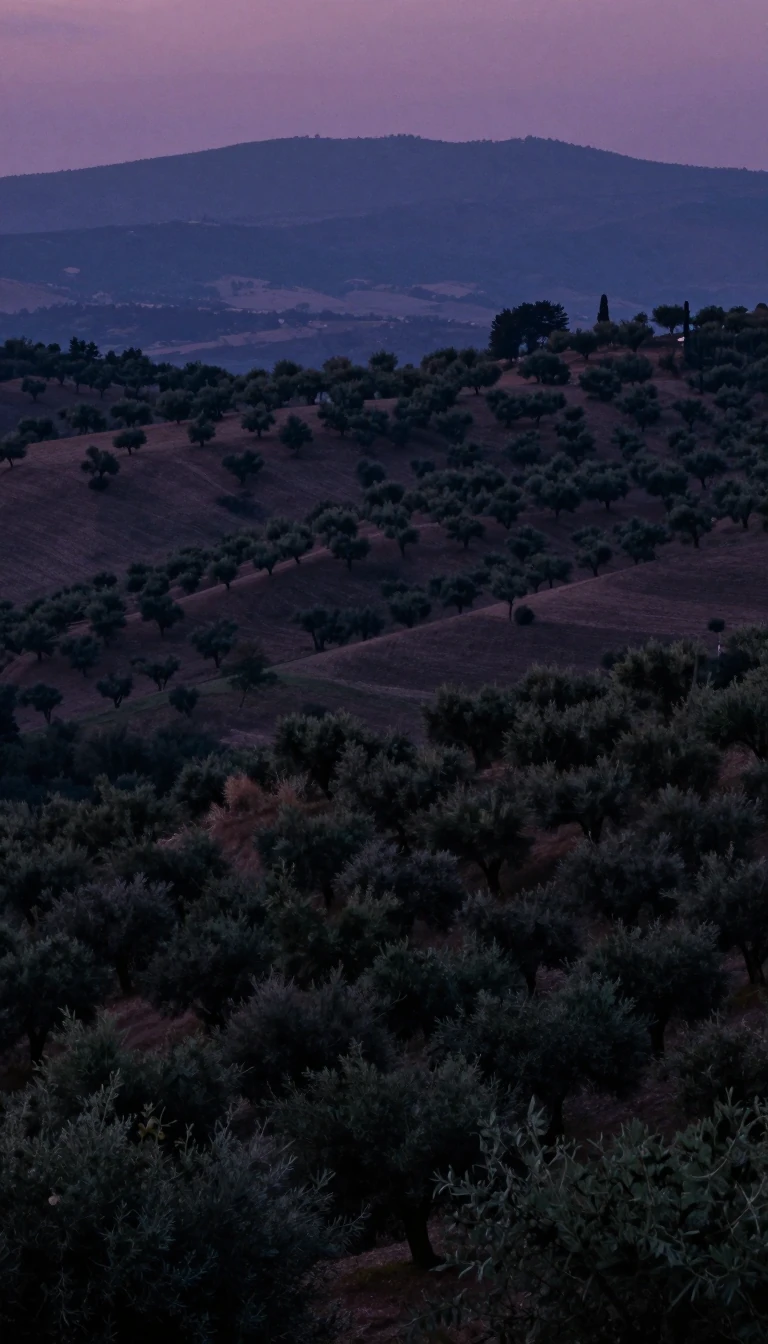
In short: While the metropolitan area of Madrid houses nearly seven million people, the surrounding region remains a biological refuge. From mountain peaks exceeding 2,000 meters to the Tagus River basin, this territory supports rare raptors, diverse amphibians, and ancient forests, proving that even a capital's heart can harbor unexpected wilderness.
The Community of Madrid is defined by its dramatic elevation shifts, ranging from the 2,428-meter summit of Peñalara to the 430-meter lowlands near the Alberche River. This varied topography creates a mosaic of habitats, including dense Scots pine and Pyrenean oak forests in the Guadarrama range, and vast holm oak dehesas across the plains. These environments support a remarkable array of wildlife, such as the Spanish imperial eagle and the cinereous vulture, which nest in the region's protected areas. The Lozoya Valley is particularly notable for its large colony of black vultures, while the Park Regional del Suroeste serves as a critical stronghold for the imperial eagle.
Water management has been central to the region's ecology and development for centuries. The territory is almost entirely contained within the Tagus Basin, with the river draining major tributaries like the Jarama, Manzanares, and Henares. The construction of numerous reservoirs, such as the Santillana, has significantly altered local aquatic ecosystems. While these dams provide essential resources, they have also introduced invasive fish species like pike and black-bass, which compete with threatened native fish such as the European eel and the Iberian barbel. The region's amphibians, including the fire salamander and various midwife toads, remain sensitive to these environmental changes, often restricted by specific altitude requirements.
Biodiversity in the region faces ongoing pressures from both invasive species and shifting land use. Exotic arrivals like the monk parakeet and the raccoon now share space with native fauna, while the Iberian ibex has seen a population explosion in La Pedriza following its 1990 reintroduction. Despite these challenges, the region retains pockets of rare flora, such as the moor and silver birch found in humid valleys, and oromediterranean vegetation near the mountain peaks. This ecological complexity, preserved alongside one of Europe's most significant urban centers, highlights the Community of Madrid as a unique intersection of human history and natural resilience, where ancient landscapes persist despite the relentless expansion of the capital's metropolitan influence.
Opens the Intellect+ feed with this card first. Swipe up for the next one.
Sources
- Summary by Intellect · source: Community of Madrid
To cite this card, link to https://intellectplus.co.uk/app/nature-community-of-madrid.
How we source, check and correct cards: Editorial standards.
General information, not professional advice. Spotted an error? Flag the card or see corrections and complaints.
Intellect Plus is a visual educational discovery platform for exploring fascinating facts and ideas. Brain Food, Not Brain Rot. What is Intellect Plus?
Related
More in Physical geography · More in Nature · Latest · A–Z · All topics
