Fossilised dung offers a surprisingly detailed window into the lives of prehistoric creatures.
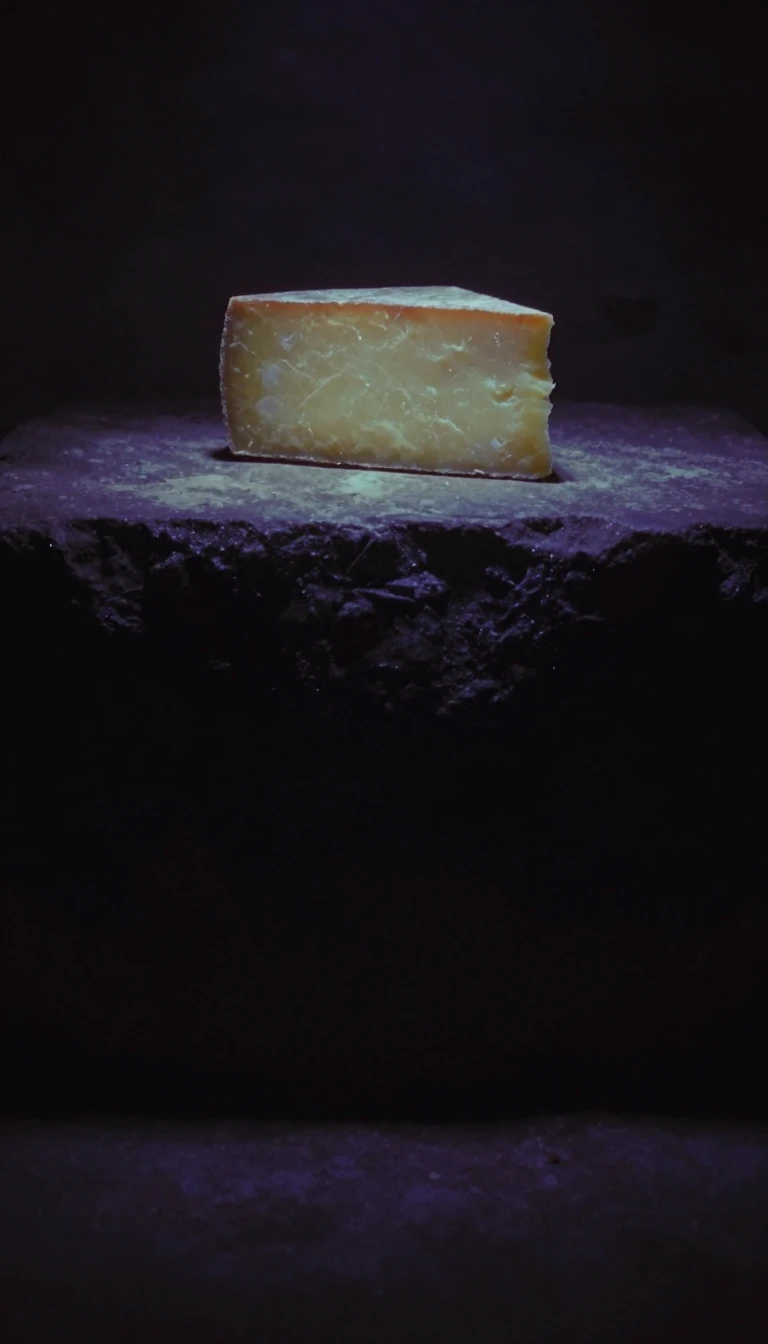
In short: While often overlooked as unglamorous, fossilised faeces known as coprolites are invaluable trace fossils. By examining their contents, scientists reconstruct the diets, behaviours, and habitats of extinct animals. These ancient droppings provide direct evidence of predation and ecosystems that existed millions of years ago, far beyond simple body fossils.
The scientific recognition of coprolites began in the early 1800s, when fossil collector Mary Anning observed unusual, stone-like masses within the abdominal regions of ichthyosaur skeletons along the Jurassic Coast of Lyme Regis. Anning noted that breaking these objects open revealed fish scales, bones, and sometimes remains of smaller ichthyosaurs. This evidence prompted geologist William Buckland to formally identify them as fossilised faeces in 1829, coining the term coprolite.
As trace fossils, coprolites provide insights into animal behaviour rather than physical anatomy. Because the producer is rarely found alongside its waste, identification is often inferential. Scientists analyse the shape, size, and internal composition of these specimens to determine if an animal was a carnivore or a herbivore. For instance, spiral-shaped coprolites suggest the presence of spiral-valved intestines, a feature found in modern sharks and coelacanths. When bone fragments are present, researchers can even identify tooth marks, revealing how the creature consumed its prey.
Beyond diet, coprolites act as a record of ancient environments. Advanced microscopy allows experts to identify pollen, seeds, and leaf remains trapped within the fossilised matter, revealing the flora present in an animal's habitat. In the 19th century, the high phosphate content of these fossils led to their industrial mining for use as fertiliser, demonstrating that these remnants of prehistoric life held both scientific and economic value long after the animals themselves had vanished from the Earth.
Opens the Intellect+ feed with this card first. Swipe up for the next one.
Sources
- Summary by Intellect · source: What is a coprolite? | Natural History Museum
- Also: Coprolite
To cite this card, link to https://intellectplus.co.uk/app/nature-coprolite.
How we source, check and correct cards: Editorial standards.
General information, not professional advice. Spotted an error? Flag the card or see corrections and complaints.
Intellect Plus is a visual educational discovery platform for exploring fascinating facts and ideas. Brain Food, Not Brain Rot. What is Intellect Plus?
Related
More in Organisms · More in Nature · Latest · A–Z · All topics
