For over a century, these mysterious tooth-like fossils baffled the world's greatest paleontologists.
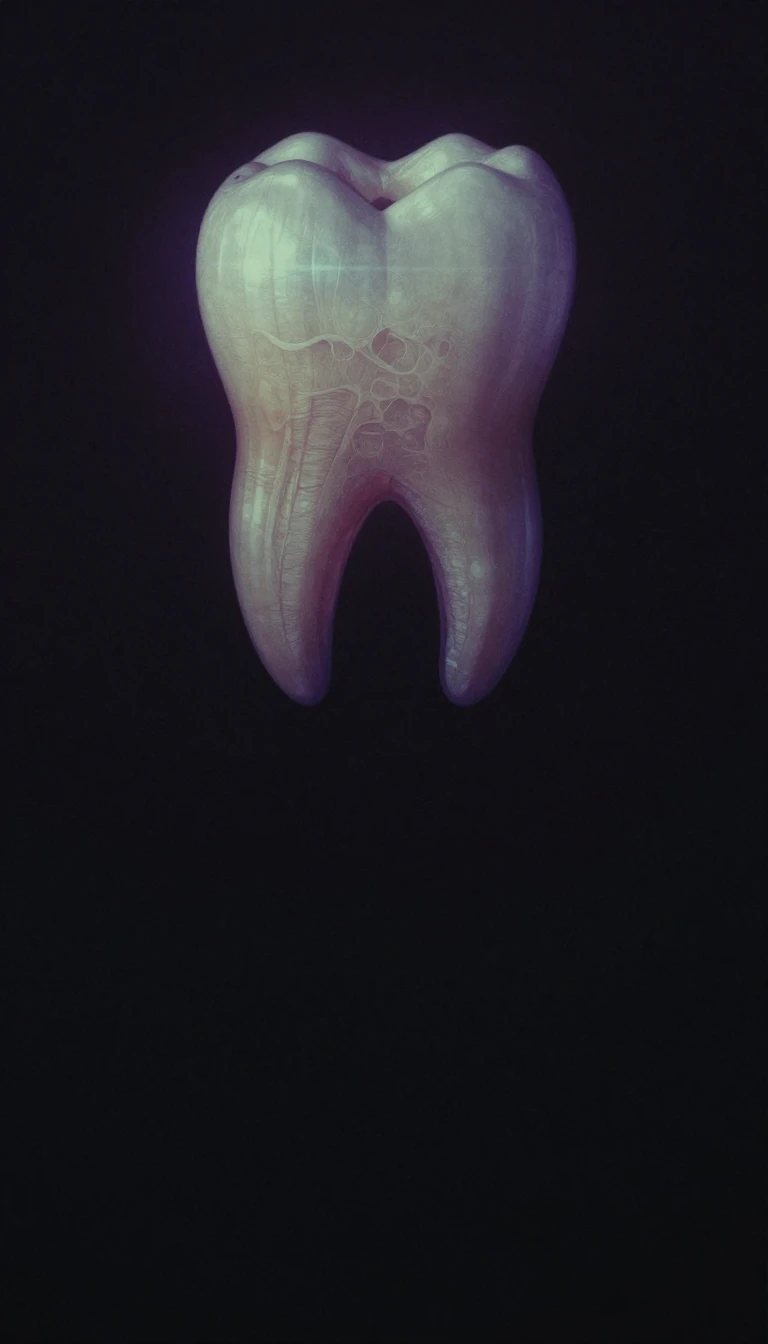
In short: Before the 1980s, conodonts were known only as tiny, enigmatic mineral structures found in ancient marine rocks. Scientists had no idea what creature produced them, or if they were even part of an animal at all. Today, we know they were the feeding apparatus of an extinct, eel-like vertebrate.
First described by Russian scientist C.H. Pander in 1856, conodonts are microscopic, tooth-like structures composed of calcium carbonate fluorapatite. For decades, their biological origin remained a complete mystery. Because the host animals were soft-bodied, they rarely left behind anything other than these durable, phosphatic elements, which range from 0.2 millimeters to 6 millimeters in size. It was not until the early 1980s that fossil evidence finally linked these elements to a distinct, chordate animal, solving a long-standing puzzle in paleontology.
The breakthrough came from rare, exceptional fossil finds in places like Montana and Scotland, which revealed that the elements were arranged in symmetrical pairs within the gut or head of a hagfish-like vertebrate. These animals, which lived from the Cambrian to the late Triassic, used these structures as a specialized feeding apparatus. Unlike modern jaws, this system likely assisted in food-particle movement, with different shapes—cones, bars, blades, and platforms—performing distinct mechanical roles.
Beyond their biological intrigue, conodonts are among the most powerful tools in geology. Because they evolved rapidly and were widespread across tropical and temperate oceans, they serve as essential biostratigraphic markers. Paleontologists use these 'zones' to correlate rock strata across the globe, particularly in the Paleozoic era. By dissolving limestone in acetic acid, researchers can recover these resilient fossils, using them to date Earth's history with remarkable precision, even though the exact cause of their final extinction in the late Triassic remains a subject of debate.
Opens the Intellect+ feed with this card first. Swipe up for the next one.
Sources
- Summary by Intellect · source: Conodonts
- Also: Conodont | Microfossil, Ancient Marine Animal | Britannica
- Also: Conodont
To cite this card, link to https://intellectplus.co.uk/app/nature-conodont.
How we source, check and correct cards: Editorial standards.
General information, not professional advice. Spotted an error? Flag the card or see corrections and complaints.
Intellect Plus is a visual educational discovery platform for exploring fascinating facts and ideas. Brain Food, Not Brain Rot. What is Intellect Plus?
Related
More in Vertebrates · More in Nature · Latest · A–Z · All topics
