The Amazon of the Seas holds 76% of the world's coral species
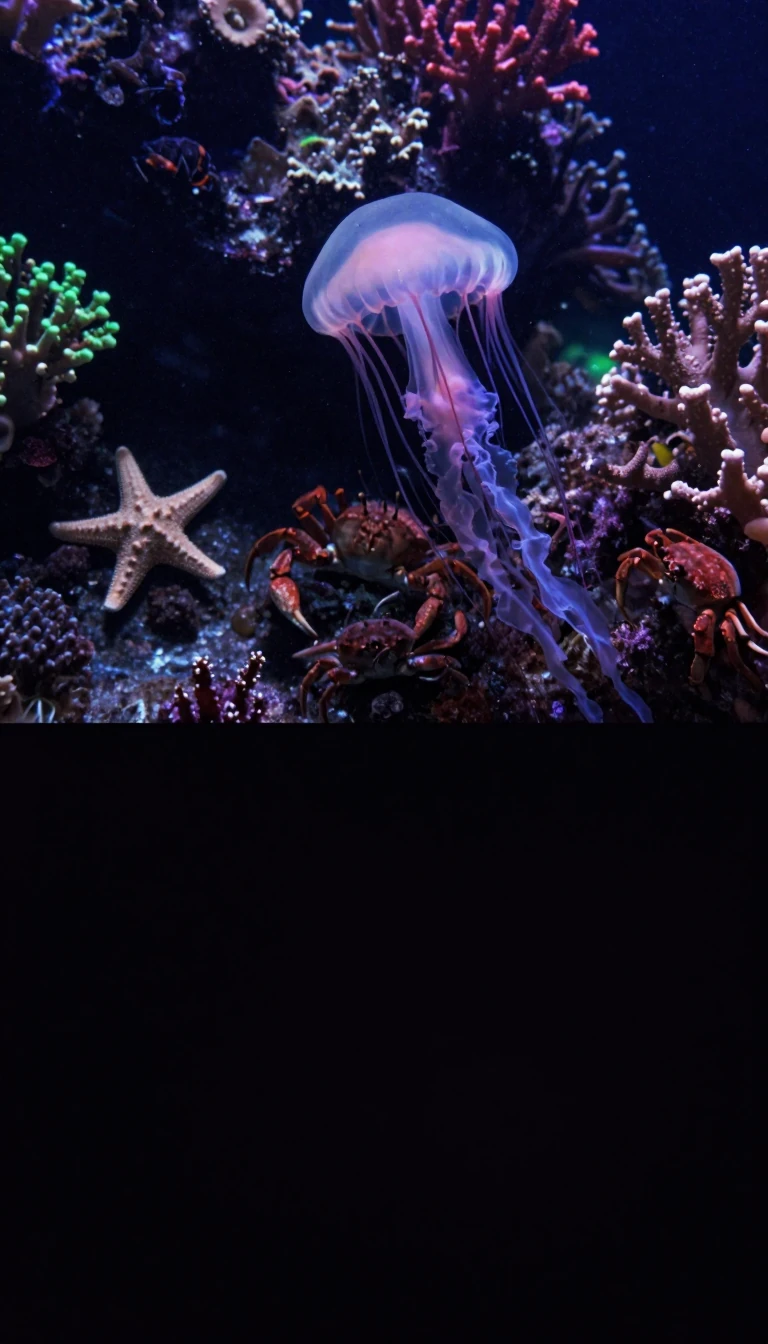
In short: Covering just 1.6% of the planet's ocean, the Coral Triangle is a biological powerhouse. From the deep-sea volcanoes of Indonesia to the Philippine passages, this marine epicentre sustains staggering biodiversity that supports over 120 million people.
Covering 5.7 million square kilometres of ocean, the Coral Triangle includes Malaysia, Indonesia, the Philippines, Timor-Leste, Solomon Islands, and Papua New Guinea, representing a vital marine conservation zone. It functions as a massive biological reservoir, containing more than 76% of all known shallow-water reef-building coral species and 37% of the world's reef fish. The region's density of life is most concentrated in the Bird's Head Seascape of Indonesian Papua, which alone hosts 574 species—representing 72% of the world's total coral diversity.
Scientists use three primary models to explain this concentration of life. The 'centre of origin' model suggests an ancestral population dispersed from this central point; the 'centre of overlap' model proposes that species from different regions converged here through population division; and the 'centre of accumulation' model posits that scattered populations migrated into this central hub. Beyond corals, the area supports the world's largest mangrove forests, 50% of all razor clam species, and six of the world's seven sea turtle species.
Despite its importance, the region faces severe anthropogenic threats, including climate change, ocean acidification, and overfishing. However, recent data offers a glimmer of resilience. While many ecosystems are declining, the Global Coral Reef Monitoring Network reported in 2021 that coral cover in the East Asian Seas actually increased from 32.8% in 1983 to 36.8% in 2019. This recovery occurred despite significant bleaching events in the 2010s, driven by a decrease in algal cover that left five times more coral than algae on these reefs.
Opens the Intellect+ feed with this card first. Swipe up for the next one.
Sources
- Summary by Intellect · source: Coral Triangle
To cite this card, link to https://intellectplus.co.uk/app/nature-coral-triangle.
How we source, check and correct cards: Editorial standards.
General information, not professional advice. Spotted an error? Flag the card or see corrections and complaints.
Intellect Plus is a visual educational discovery platform for exploring fascinating facts and ideas. Brain Food, Not Brain Rot. What is Intellect Plus?
Related
More in Coral reefs · More in Nature · Latest · A–Z · All topics
