Decomposers are not just external digesters; they are the essential architects of soil fertility
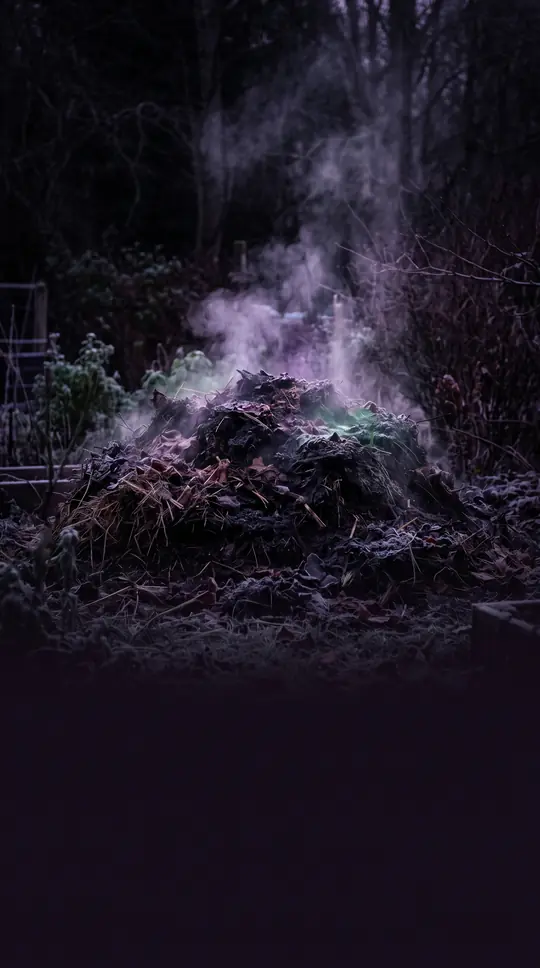
In short: We often mistake decomposition for external digestion, picturing fungi dissolving matter from the outside in. Yet, the term describes an ecosystem role, not a specific biological method. From microscopic bacteria to earthworms, these organisms unlock the nutrients trapped in dead matter, making life possible for the plants that sustain us.
Decomposition is fundamentally a chemical process where complex molecules are broken down into simpler, smaller ones, mirroring the digestion found in animals. While many associate this exclusively with external digestion—where an organism secretes enzymes onto food and absorbs the resulting nutrients—this is only one path. The definition of a decomposer centers on the outcome: the release of nutrients into the environment. Because plants are sessile and cannot hunt for food, they rely on these organisms to convert dead matter into accessible forms like nitrogen, phosphorus, and potassium.
The classification of these organisms often causes confusion. Some definitions distinguish between decomposers and detritivores, labeling those that digest food internally as the latter. However, these categories are not mutually exclusive. An organism like an earthworm can be both a detritivore, based on its physiology and internal digestion, and a decomposer, based on its role in the ecosystem. Whether through mechanical grinding, known as bioturbation, or chemical enzymatic breakdown, these creatures ensure that essential nutrients return to the soil.
An organism's effectiveness as a decomposer depends entirely on its enzymatic toolkit. While enzymes for fats, proteins, and starch are common, the breakdown of tougher materials requires specialized equipment. Cellulose requires cellulase, and the complex molecule lignin, found in woody plants, requires specific lignin-modifying enzymes. Fungi are the primary decomposers in forests precisely because their branching hyphae can penetrate deep into organic matter, and they possess the unique ability to produce these rare lignin-modifying enzymes. This allows them to tackle large debris that bacteria, restricted to surface feeding, cannot process alone.
Opens the Intellect+ feed with this card first. Swipe up for the next one.
Sources
- Summary by Intellect · source: Decomposer
To cite this card, link to https://intellectplus.co.uk/app/nature-decomposer.
How we source, check and correct cards: Editorial standards.
General information, not professional advice. Spotted an error? Flag the card or see corrections and complaints.
Intellect Plus is a visual educational discovery platform for exploring fascinating facts and ideas. Brain Food, Not Brain Rot. What is Intellect Plus?
Related
More in Ecology · More in Nature · Latest · A–Z · All topics
