Why nature needs disaster: how fire, storms, and death reset the ecological clock
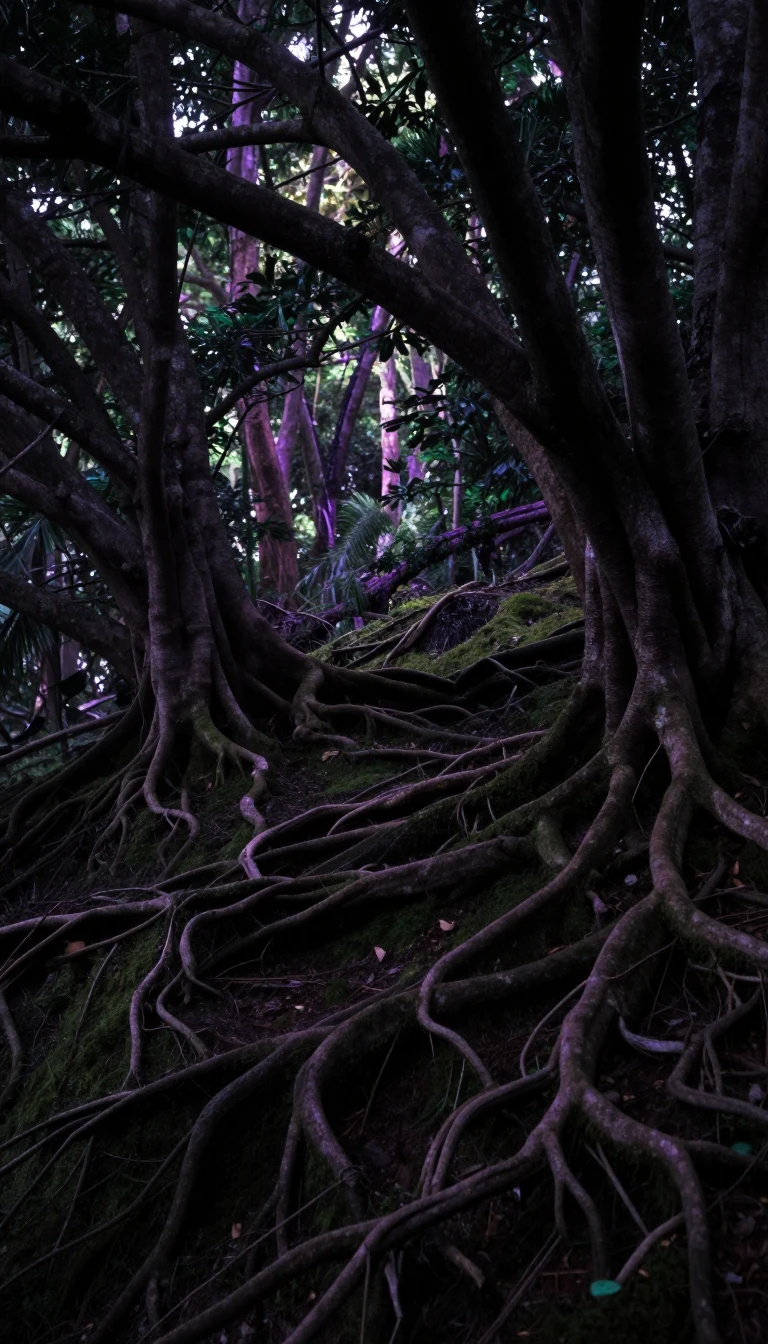
In short: An ecological disturbance is any force—biological or not—that kills organisms and reshapes their environment. While often viewed as destructive, these events are fundamental to life. From fire-dependent pines to forest gaps that allow new growth, nature relies on these periodic resets to maintain biodiversity and drive evolutionary change.
Ecological disturbance is defined as an event or force that causes mortality and alters the spatial patterning of an ecosystem. These events range across ten orders of magnitude, from a single tree falling—creating a micro-habitat for forest frogs—to massive volcanic eruptions or wildfires that sterilize hundreds of square kilometers. The impact of any disturbance is governed by its intensity, frequency, and spatial scale, as well as the history and topography of the site. When a disturbance occurs, the ecosystem begins a recovery process known as succession. Primary succession occurs in landscapes previously devoid of life, such as areas exposed by retreating ice sheets. Secondary succession occurs in areas where biological remnants, like buried seeds, survive the initial event, allowing recovery to begin more rapidly.
The relationship between disturbance and species survival is complex. Some species are 'disturbance-dependent,' meaning they require specific events to flourish. For example, the northern jack pine (Pinus banksiana) requires fire to open its cones, while the sea palm (Postelsia palmaeformis) thrives only on rocky shores where winter waves frequently scour away competing mussel beds. Conversely, 'fugitive' or 'weedy' species are adapted to invade disturbed environments, characterized by high reproductive output and excellent dispersal capabilities. These species often rely on mechanisms like barbs, hooks, or airfoils to travel long distances, compensating for their inability to compete with more established, long-lived species over time.
When disturbances occur too frequently, they can push an ecosystem into an 'alternative state' from which it may struggle to recover. A notable example is the Jamaican coral reefs, which suffered from overharvesting and pollution throughout the 20th century. When these human-caused pressures were combined with intense hurricanes in 1980 and 1988, and a massive die-off of sea urchins starting in 1983, the reefs shifted to a state dominated by benthic algae. Today, these reefs have not returned to their former coral-rich state. Understanding these dynamics is increasingly critical as global change introduces novel disturbances and alters the frequency of natural events, challenging historical ecological theories that were developed before modern monitoring tools were available.
Opens the Intellect+ feed with this card first. Swipe up for the next one.
Sources
- Summary by Intellect · source: Ecological disturbance | Causes, Effects & Management | Britannica
- Also: Disturbance (ecology)
To cite this card, link to https://intellectplus.co.uk/app/nature-disturbance-ecology.
How we source, check and correct cards: Editorial standards.
General information, not professional advice. Spotted an error? Flag the card or see corrections and complaints.
Intellect Plus is a visual educational discovery platform for exploring fascinating facts and ideas. Brain Food, Not Brain Rot. What is Intellect Plus?
Related
More in Ecology · More in Nature · Latest · A–Z · All topics
