The Earth's electric pulse fluctuates with the seasons
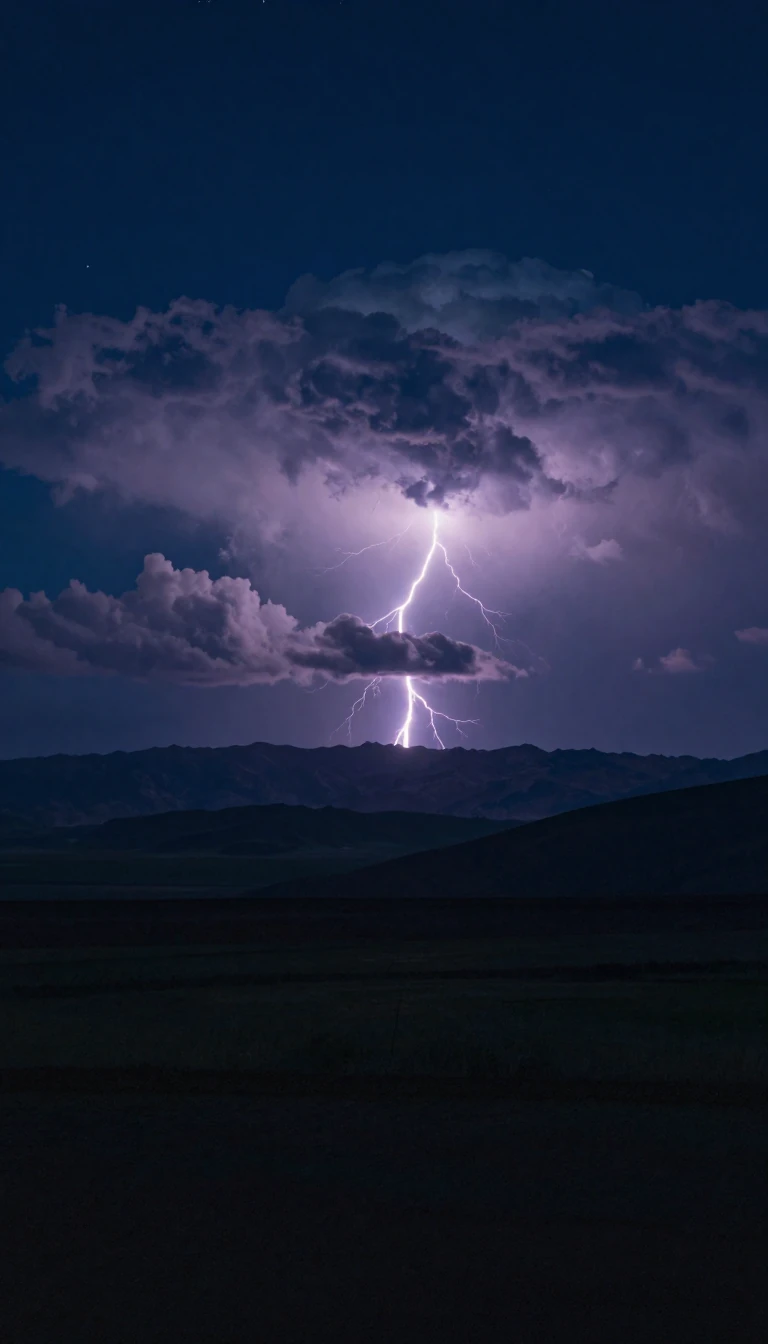
In short: At any given moment, over 2,000 thunderstorms are active across the globe. But this atmospheric electricity isn't constant. Depending on the hemisphere and the season, the frequency of these flashes shifts, revealing a hidden rhythm in our planet's most violent weather patterns.
Electrical discharges known as lightning happen when accumulated charges in clouds or relative to the earth breach the air's natural insulation. The visible flash we see is actually the 'return stroke,' a phenomenon that can reach temperatures of approximately 30,000 degrees Celsius. This extreme heat causes the surrounding air to expand so rapidly that it creates the shock wave we recognize as thunder.
The global frequency of these flashes is not static. Research supported by NASA's space-based sensors, such as the Lightning Imaging Sensors (LIS), shows that the global per-second flash rate varies by season. During the Northern Hemisphere's winter, the rate drops to about 35 flashes per second, while during the Northern Hemisphere's summer, it climbs to roughly 55 flashes per second.
The distribution of these strikes is also highly dependent on geography and climate. While many ground-based sensors primarily detect cloud-to-ground lightning—which accounts for only about 25% of all activity—space-based platforms allow scientists to monitor all forms of discharge, including the more common intra-cloud lightning. This is vital for tracking storms over oceans or remote areas where radar is unavailable.
Certain regions experience extraordinary density. Above the Catatumbo River in Venezuela, lightning can flash several times per minute for up to 300 nights a year, marking the highest number of strikes per square kilometer in the world at 250. In contrast, the poles and oceanic regions see the fewest strikes, as lightning activity is heavily concentrated in the tropical landmasses.
Opens the Intellect+ feed with this card first. Swipe up for the next one.
Sources
- Summary by Intellect · source: Lightning | NASA Earthdata
- Also: Distribution of lightning
To cite this card, link to https://intellectplus.co.uk/app/nature-distribution-of-lightning.
How we source, check and correct cards: Editorial standards.
General information, not professional advice. Spotted an error? Flag the card or see corrections and complaints.
Intellect Plus is a visual educational discovery platform for exploring fascinating facts and ideas. Brain Food, Not Brain Rot. What is Intellect Plus?
Related
More in Lightning · More in Nature · Latest · A–Z · All topics
