How a billion-year-old geological rift shaped the steep, industrial character of Duluth, Minnesota
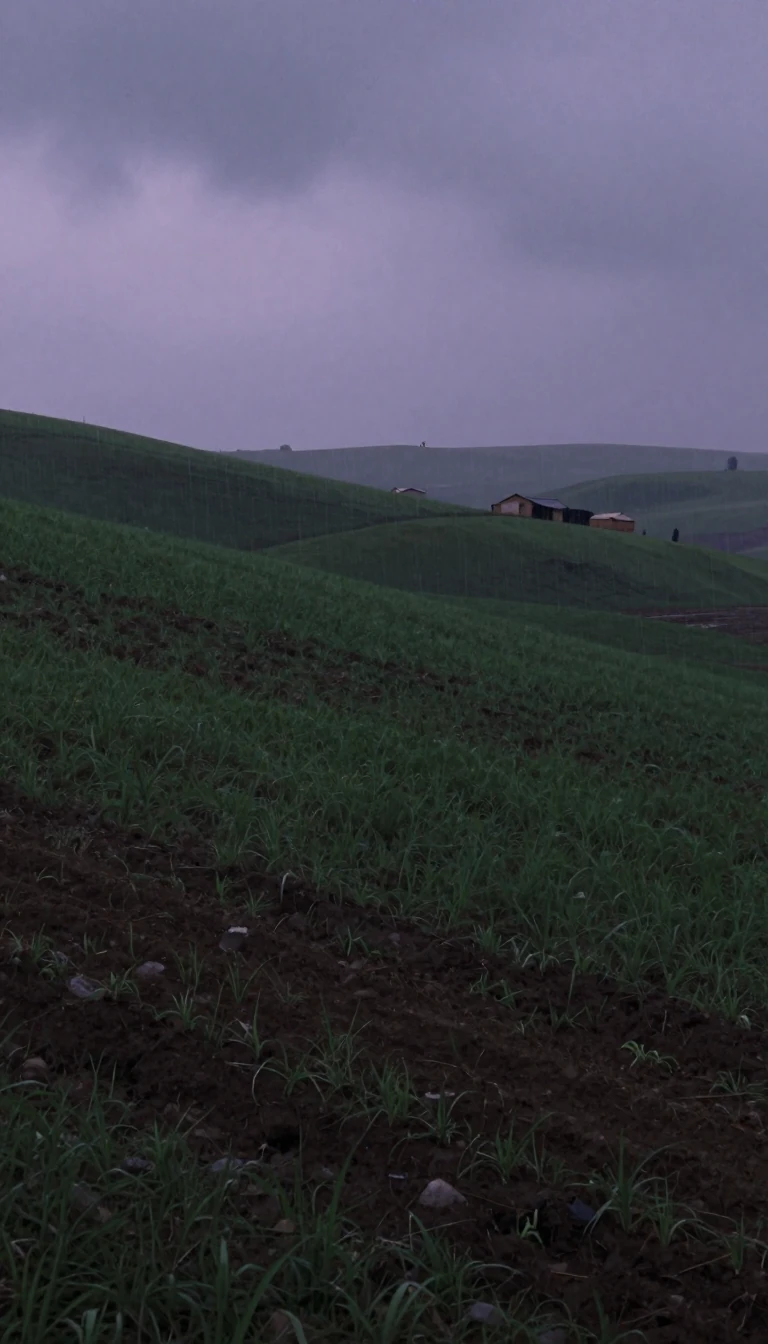
In short: Duluth clings to a dramatic hillside overlooking Lake Superior, a city defined by its verticality and its industrial past. This unique topography was forged by a massive continental rift over a billion years ago, creating a landscape that has dictated everything from the city's streetcar history to its modern economic rebirth.
The foundation of Duluth lies in the Midcontinent Rift, a geological event occurring approximately 1.1 billion years ago when the North American landmass began to pull apart. As the crust stretched and weakened, molten rock surged upward, creating a massive, dense layer of igneous rock known as the Duluth Complex. This hard, resistant material formed the rugged, steep hillside that rises sharply from the shore of Lake Superior, a feature that has earned the city comparisons to San Francisco.
The Lake Superior basin itself was later carved out by continental glaciers that moved across the region repeatedly over the last 2 million years. These ice sheets, reaching a mile in thickness, easily scoured away softer sandstone but struggled against the igneous flanks of the rift. As the final glaciers retreated, they left behind ancient shorelines; the city's scenic Skyline Parkway follows the elevation of Glacial Lake Duluth, a massive body of water that once sat 500 feet higher than the current lake level.
This dramatic elevation change has profoundly influenced the city's development. Before World War II, Duluth utilized an inclined railway to navigate the steep terrain, mirroring the cable car systems of the West Coast. Today, the city remains a hub for the Great Lakes, serving as the world's farthest inland port accessible to oceangoing vessels. While its early economy relied heavily on iron ore and timber, the city has successfully pivoted toward tourism and revitalization, repurposing industrial waterfronts and historic brownstone quarries into vibrant public spaces.
The legacy of the region's geology is visible in the very architecture of the city. Brownstone, once extracted from local quarries near Fond du Lac, was a staple building material for early Duluth and was exported to major cities like Chicago and Milwaukee. Today, the city continues to leverage its natural geography, using the shoreline for recreational trails and reclaiming former industrial sites, proving that even a city built on the remnants of a billion-year-old rift can constantly reinvent itself.
Opens the Intellect+ feed with this card first. Swipe up for the next one.
Sources
- Summary by Intellect · source: Duluth, Minnesota
- Also: d.umn.edu — University of Minnesota Duluth
To cite this card, link to https://intellectplus.co.uk/app/nature-duluth-minnesota.
How we source, check and correct cards: Editorial standards.
General information, not professional advice. Spotted an error? Flag the card or see corrections and complaints.
Intellect Plus is a visual educational discovery platform for exploring fascinating facts and ideas. Brain Food, Not Brain Rot. What is Intellect Plus?
Related
More in Physical geography · More in Nature · Latest · A–Z · All topics
