Nature's bonsai: how extreme environments stunt trees into miniature forests
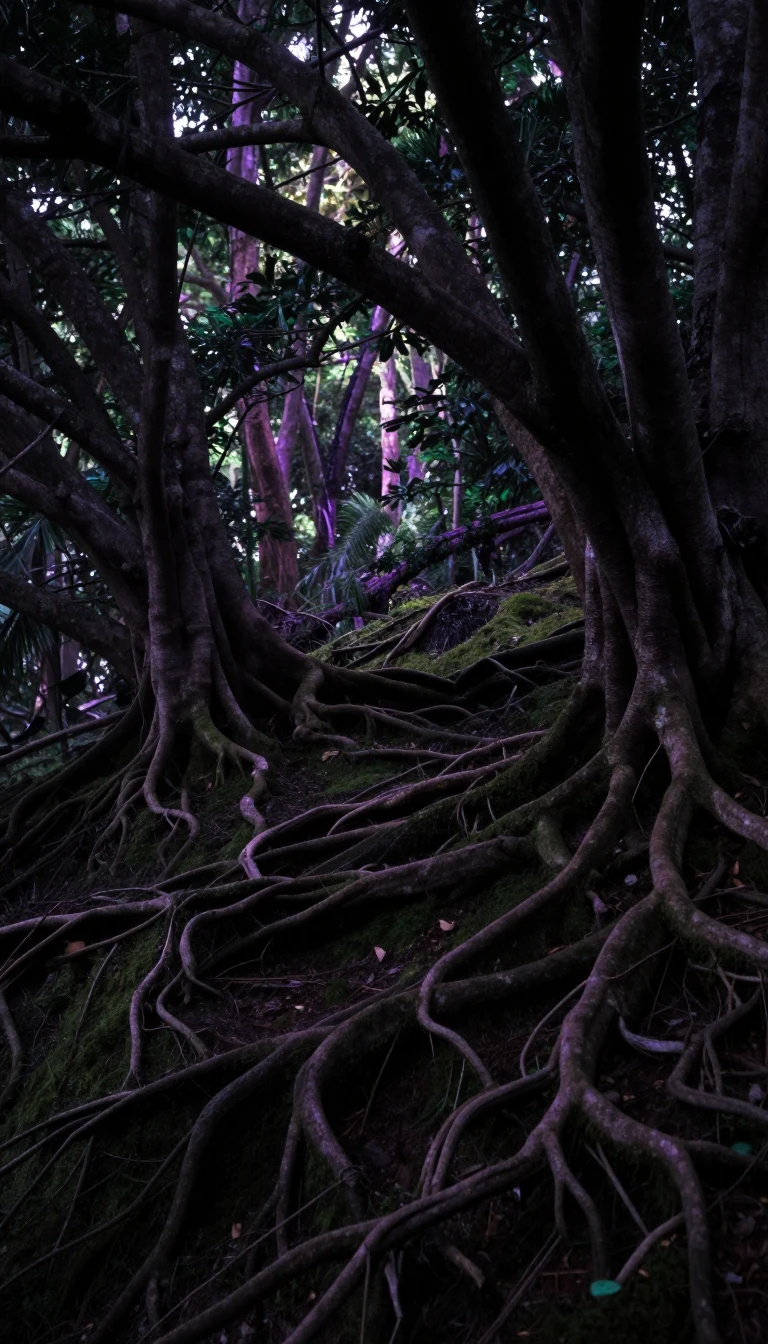
In short: In certain parts of the world, majestic trees are forced into a permanent state of miniaturization. These dwarf forests aren't just small; they are biological masterpieces shaped by high-altitude winds, acidic soils, and even geological "staircases." Discover how nature engineers these tiny ecosystems to survive where others fail.
Dwarf forests, also known as elfin or pygmy forests, occur in diverse climates including coastal temperate regions like Southern California and high-elevation tropical highlands in Central America and Southeast Asia. In tropical montane regions, these forests are often defined by "fog interception." Because rainfall is sparse and seasonal, vegetation captures moisture from mist and clouds that move over mountains at night. During the day, as clouds rise without precipitating, water demands increase, forcing plants to adapt to a life of atmospheric hydration.
The physical stature of these trees—often only 5 to 8 meters tall—is primarily dictated by high wind speeds on ridges and slopes. To survive, trees invest energy into structural stability rather than height. This results in thicker trunks, denser twigs, and extensive root systems designed to withstand mechanical stress. Furthermore, many species develop moisture-tolerant leaves with waxy cuticles or "drip tips," and produce alkaloids to defend against high rates of insect herbivory, which can damage up to 98% of some leaf types.
In California, a unique geological phenomenon creates a "natural bonsai" effect. Marine terraces formed by sea-level changes created an "ecological staircase." As pioneer plants colonized these terraces, they produced acidic tannins that leached into the soil, forming a nutrient-poor, highly acidic podzol with an iron hardpan. This prevents deep root growth and internal drainage, stunting trees like the bishop pine to just three or four feet high. Despite their small size, some of these trees may contain over 80 growth rings, proving that they are ancient survivors rather than young saplings.
The largest known dwarf forest is located on Mount Hamiguitan in the Philippines. This UNESCO World Heritage Site covers approximately 6,834 hectares and hosts about 1,380 different species. It serves as a critical refuge for endemic wildlife, including the Philippine eagle and various unique pitcher plants, illustrating how these stunted ecosystems can harbor immense biodiversity.
Opens the Intellect+ feed with this card first. Swipe up for the next one.
Sources
- Summary by Intellect · source: Dwarf forest
- Also: iNaturalist — Atlantic Forest Dwarf Frog (Physalaemus olfersii) · CC BY-SA 4.0 (Wikipedia summary)
To cite this card, link to https://intellectplus.co.uk/app/nature-dwarf-forest.
How we source, check and correct cards: Editorial standards.
General information, not professional advice. Spotted an error? Flag the card or see corrections and complaints.
Intellect Plus is a visual educational discovery platform for exploring fascinating facts and ideas. Brain Food, Not Brain Rot. What is Intellect Plus?
Related
More in Forests · More in Nature · Latest · A–Z · All topics
