Why prehistoric cave art remains vibrant after thousands of years of exposure to time
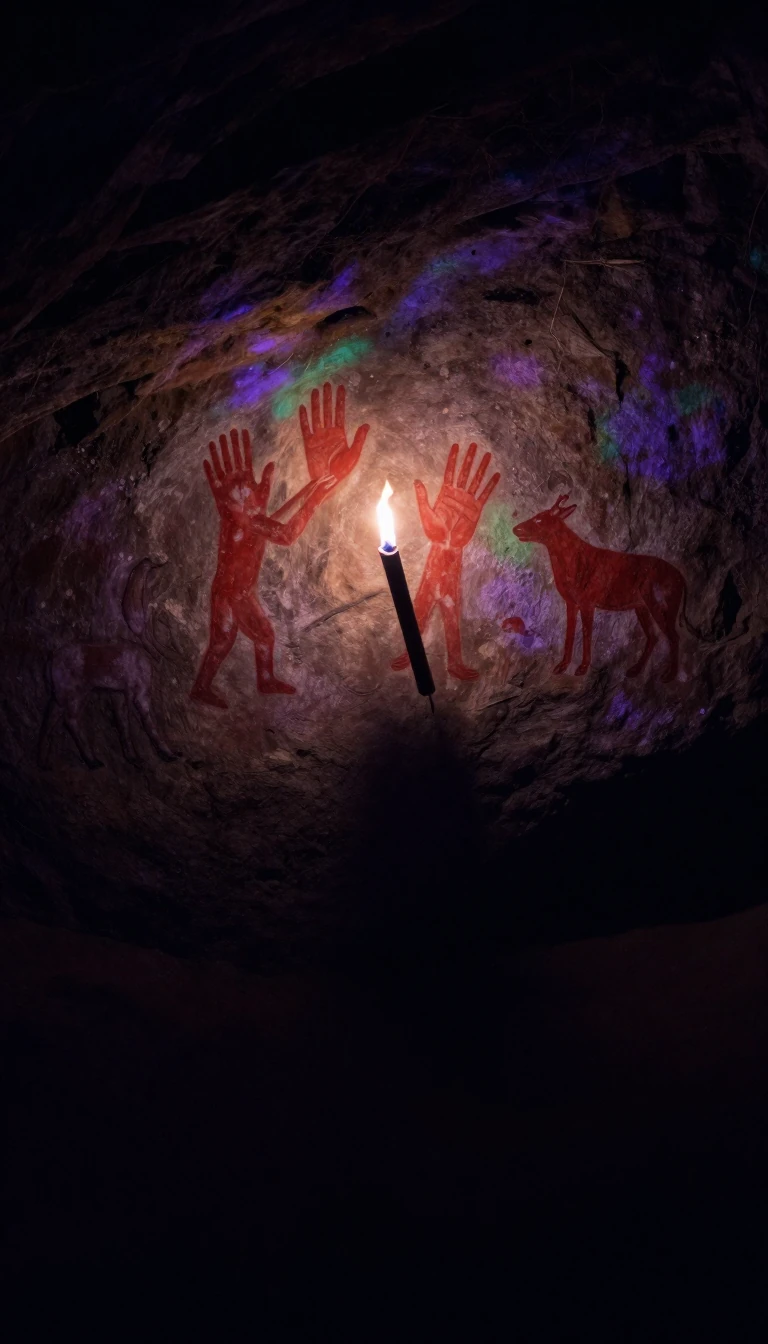
In short: The secret to the longevity of ancient cave paintings lies in the earth itself. Naturally occurring minerals, specifically iron and manganese oxides, provide a durable foundation for art that has survived since prehistoric times. These pigments offer unique chemical properties that make them remarkably resistant to the fading effects of light.
Earth pigments are naturally occurring minerals that have served as the primary medium for human expression since the dawn of history. The most recognizable varieties include ochres, siennas, and umbers, which derive their distinct reddish-brown hues from varying concentrations of iron and manganese oxides. Beyond these warm tones, the earth provides a diverse palette, ranging from the subtle greens of terres vertes to the stark whites of chalk and the deep blacks of charcoal. Even rarer finds, such as vivianite-based blue ochre, demonstrate the geological breadth of these materials.
The enduring nature of these pigments is largely attributed to their exceptional lightfastness, a quality that ensures colors remain stable even when exposed to intense illumination. In the context of oil painting, these minerals are also prized for their rapid drying times and relative affordability. Because of these chemical advantages, cave paintings rendered in sienna thousands of years ago remain visible today, serving as a testament to the permanence of mineral-based colorants.
Transforming raw geological deposits into usable art requires a meticulous preparation process. Once mined, the mineral is reduced to a fine powder, washed to eliminate water-soluble impurities, dried, and pulverized once more to ensure a consistent texture. Artists can further manipulate the final appearance of pigments like sienna and umber through a technique called calcination, or burning. Contrary to what the name implies, this process does not involve oxidation; instead, it relies on dehydration to deepen the pigment's color, showcasing how ancient techniques harnessed fundamental chemical reactions to expand the available artistic spectrum.
Opens the Intellect+ feed with this card first. Swipe up for the next one.
Sources
- Summary by Intellect · source: Earth pigment
To cite this card, link to https://intellectplus.co.uk/app/nature-earth-pigment.
How we source, check and correct cards: Editorial standards.
General information, not professional advice. Spotted an error? Flag the card or see corrections and complaints.
Intellect Plus is a visual educational discovery platform for exploring fascinating facts and ideas. Brain Food, Not Brain Rot. What is Intellect Plus?
Related
More in Geology · More in Nature · Latest · A–Z · All topics
