Why rocks flow like fluids deep beneath the Earth's surface
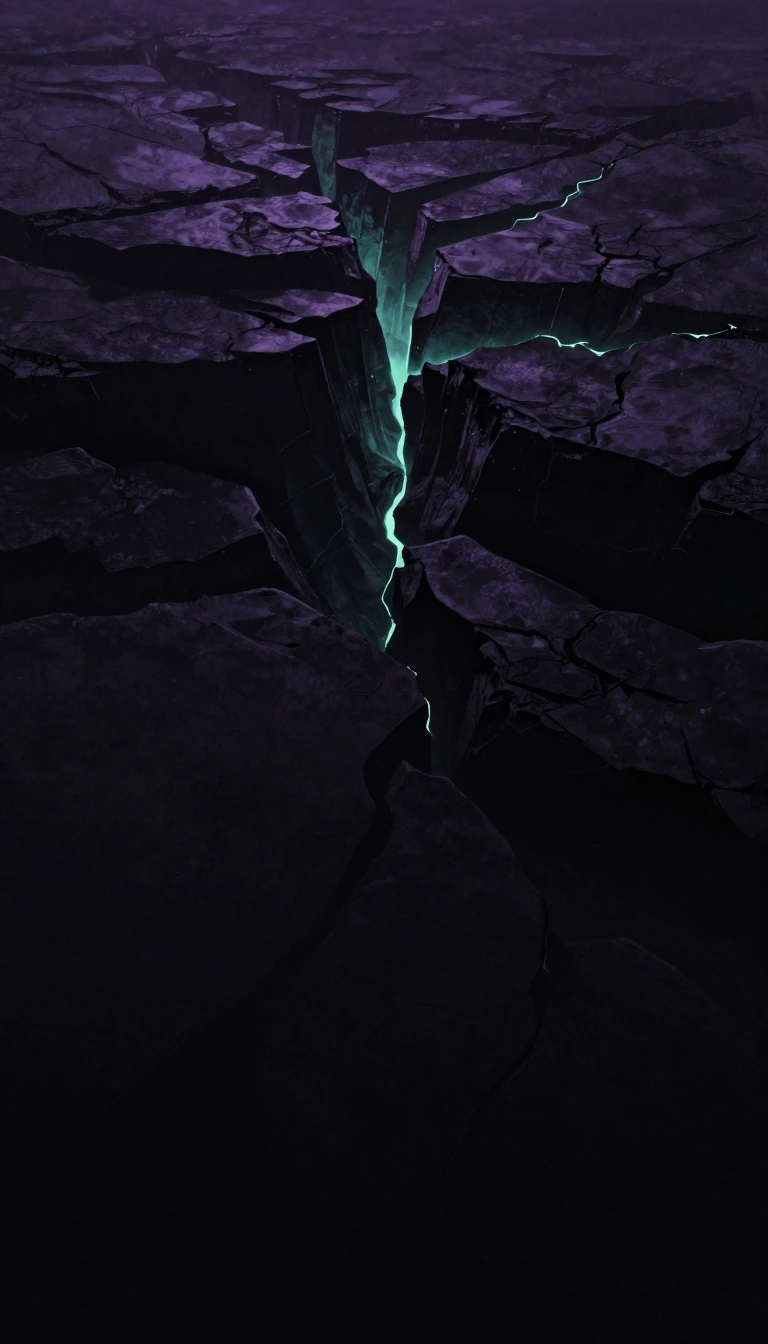
In short: Deep inside the crust, the rigid stone beneath our feet begins to behave like a flowing liquid. This transition from brittle fracturing to ductile deformation is governed by extreme heat and pressure, yet the rules are not absolute. Even biological materials like wood can mimic these complex geological processes.
Ductility is the capacity of a material to undergo significant deformation without shattering. While we often perceive rock as a rigid, brittle substance, it behaves differently depending on its environment. In the upper crust, rocks typically fracture under stress. However, as depth increases, confining pressure and rising temperatures alter the rock's internal structure, suppressing brittle failure and promoting crystal plasticity. This shift creates a brittle-ductile transition zone, typically found at depths of 10 to 15 kilometers in continental crust, where the strength of brittle deformation equals that of ductile deformation.
The transition is not a universal law. Factors such as moisture, grain size, and the presence of fluids can cause materials to defy these depth-based expectations. Ductile behavior itself manifests in three distinct ways: elastic deformation, where the material returns to its original shape; viscous deformation, where the rock flows like a fluid; and crystal-plastic deformation, which occurs at the atomic scale through mechanisms like dislocation creep. These processes leave distinct geological signatures, such as mylonite, which forms in the deep, ductile regime, contrasting with the breccia found in the brittle upper layers.
Quantifying ductility requires measuring elongation or changes in cross-sectional area until fracture occurs. This is rarely straightforward, as internal heterogeneities—small-scale differences within a single sample—can lead to inconsistent results. Researchers have even applied these geological principles to biological materials like Sitka spruce and Japanese birch. Experiments show that while wood exhibits linear elastic behavior under low stress, it deviates from standard plasticity models under higher loads, likely due to the crushing of cellular structures. Understanding these limits is vital for engineering; peak ductility demand helps architects and engineers design structures capable of withstanding seismic waves, which can increase the necessary ductility threshold by up to 10% during aftershocks.
Opens the Intellect+ feed with this card first. Swipe up for the next one.
Sources
- Summary by Intellect · source: Ductility (Earth science)
To cite this card, link to https://intellectplus.co.uk/app/nature-ductility-earth-science.
How we source, check and correct cards: Editorial standards.
General information, not professional advice. Spotted an error? Flag the card or see corrections and complaints.
Intellect Plus is a visual educational discovery platform for exploring fascinating facts and ideas. Brain Food, Not Brain Rot. What is Intellect Plus?
Related
More in Geology · More in Nature · Latest · A–Z · All topics
