Why the Eastern Hemisphere is more than just a line on a map
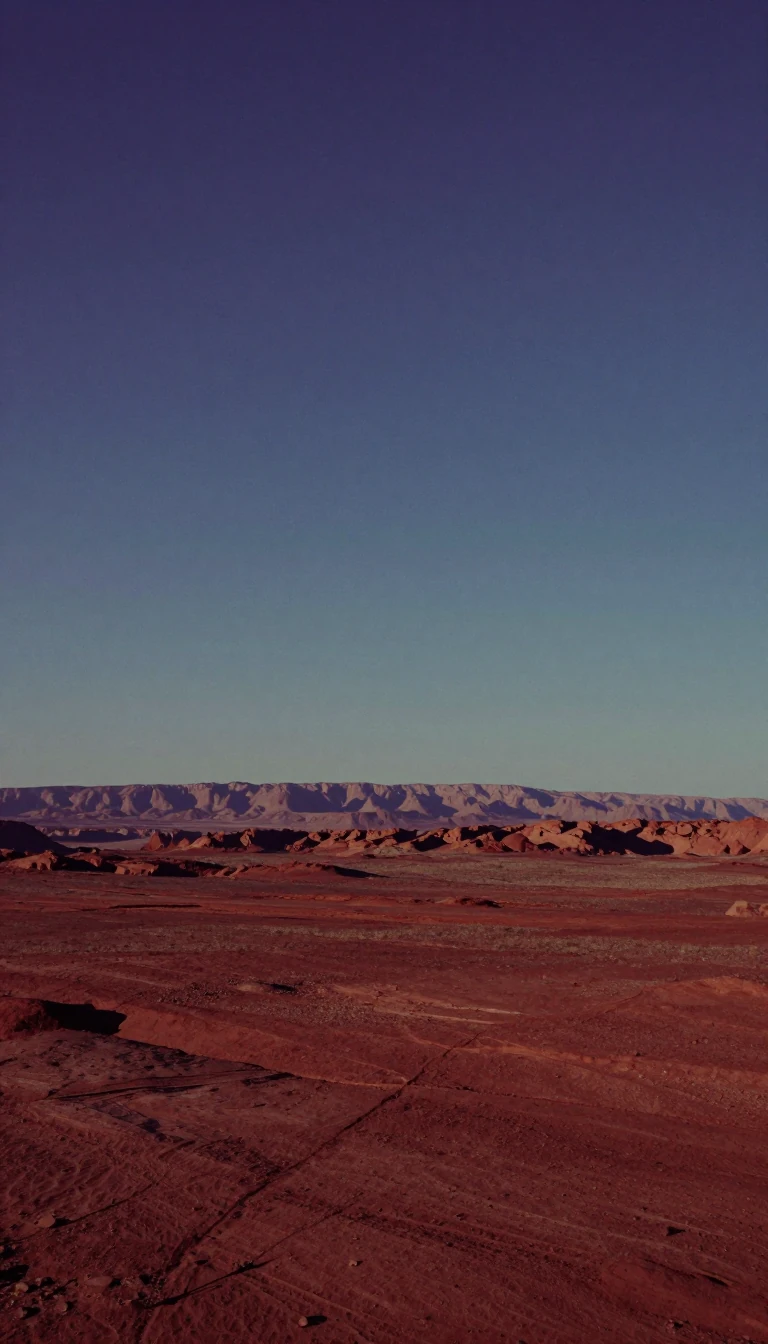
In short: The Eastern Hemisphere is defined by convention rather than nature, yet it contains the world's most extreme physical contrasts. From the highest peaks to the deepest continental troughs, this vast expanse holds the majority of Earth's landmass and a staggering diversity of life, shaped by ancient tectonic collisions.
Defining the Eastern Hemisphere is an exercise in arbitrary geography. While the prime meridian and its opposite, the antimeridian, are the standard boundaries, some geographers prefer a line at 20° W and 160° E. This alternative is favored because it keeps the entirety of the African and European mainlands within the hemisphere, though it awkwardly slices through parts of Greenland and Oceania. Unlike the equator, which is a fixed physical reality, these longitudinal borders are historical and cultural constructs.
The landmass within this hemisphere is defined by immense geologic activity. Asia, the largest component, is a mosaic of ancient platforms that coalesced roughly 160 million years ago. The ongoing collision of the Indian subcontinent with the Asian landmass, which began between 50 and 40 million years ago, continues to push the Himalayas and the Plateau of Tibet upward at a rate of about 2.4 inches per year. This tectonic pressure creates the world’s most dramatic relative relief, housing both Mount Everest at 29,035 feet and the Dead Sea, which sits about 1,410 feet below sea level.
Beyond its mountains, the hemisphere features the world’s deepest continental trough at Lake Baikal and a coastline spanning some 39,000 miles. This geography has dictated human history, as mountain barriers in Central Asia forced populations to migrate through specific passes, influencing the development of diverse cultures. Because the hemisphere encompasses such varied environments—from the arid zones of Central Asia to active volcanic regions in the east—it supports the broadest variety of human adaptation and biological life found on any continent.
The hemisphere's center, excluding Antarctica, is located in southern Afghanistan. While Russia holds the largest total land area within these bounds, China stands as the largest country entirely contained within the Eastern Hemisphere. This vast region remains a testament to how geological forces and human conventions interact to organize our understanding of the planet.
Opens the Intellect+ feed with this card first. Swipe up for the next one.
Sources
- Summary by Intellect · source: Eastern Hemisphere | Map, Continents, & Facts | Britannica
- Also: Eastern Hemisphere
To cite this card, link to https://intellectplus.co.uk/app/nature-eastern-hemisphere.
How we source, check and correct cards: Editorial standards.
General information, not professional advice. Spotted an error? Flag the card or see corrections and complaints.
Intellect Plus is a visual educational discovery platform for exploring fascinating facts and ideas. Brain Food, Not Brain Rot. What is Intellect Plus?
Related
More in Physical geography · More in Nature · Latest · A–Z · All topics
