The Western Hemisphere is far more than just the Americas you know
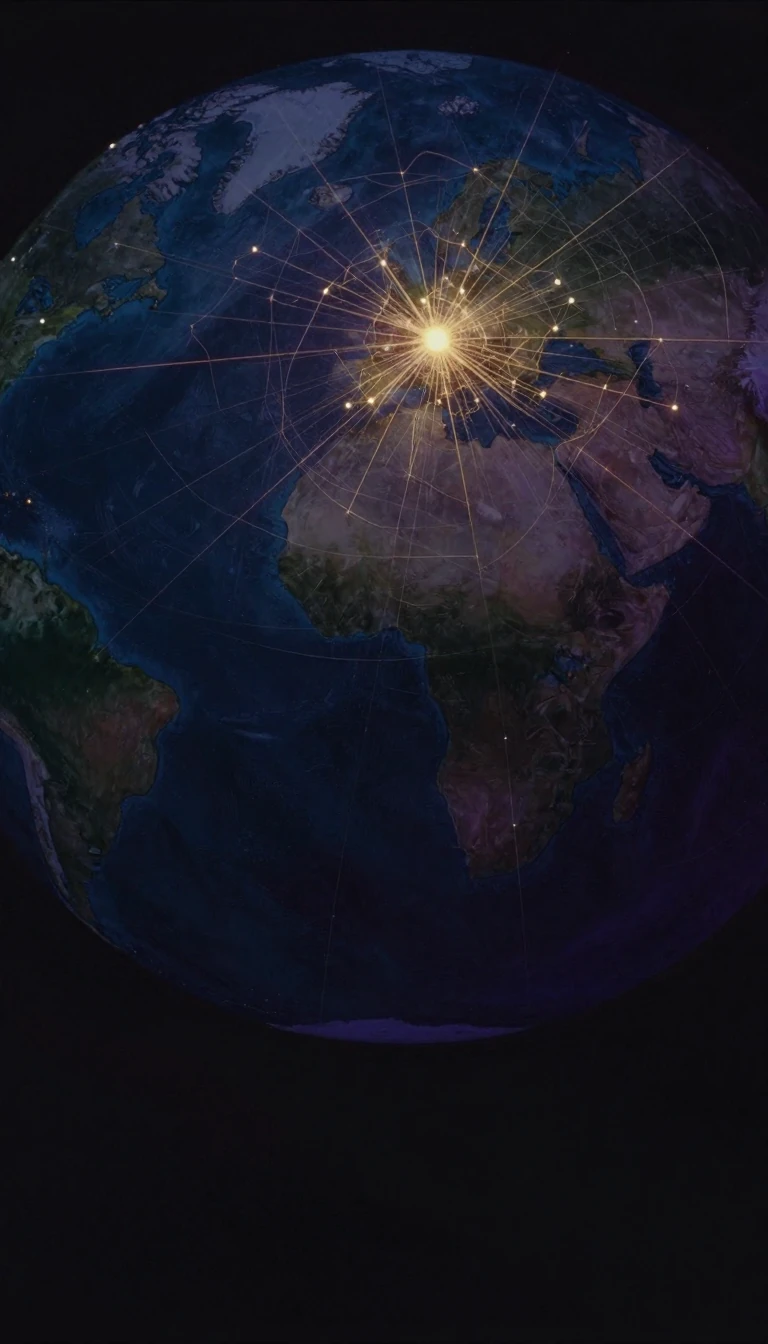
In short: While often used as a synonym for the Americas, the Western Hemisphere is a precise geographical slice of Earth. It encompasses parts of Europe, Africa, and even Antarctica. From the volcanic peaks of the Andes to the remote islands of the Pacific, this region defies simple political or cultural labels.
Geographically, the Western Hemisphere is defined as the half of our planet situated between the prime meridian and the 180th meridian. Because this boundary cuts through Europe and Africa, the region includes territories far beyond the New World. For instance, Portugal and parts of Spain, Mauritania, and even a sliver of Russia fall within its borders. This technical definition creates friction with those who view the term as a cultural or historical label for the Americas, leading some to propose alternative boundaries—such as the 20th meridian west—to better align the hemisphere with the Western continents.
The region is a geological mosaic, shaped by the interaction of major tectonic plates. The Americas sit primarily on the North and South American plates, but the landscape is punctuated by volcanic hotspots and plate boundaries. From the Peru–Chile Trench created by the subducting Nazca Plate to the volcanic archipelagoes of the Galápagos and the Revillagigedo Islands, the terrain is remarkably diverse. Even the Atlantic waters within this hemisphere host unique environments, ranging from the nutrient-rich upwellings off the coast of Mauritania to the isolated, wildlife-heavy Falkland Islands in the south.
Biological and historical patterns further distinguish the region. Evolutionary isolation in the Cenozoic Era allowed for distinct lineages like xenarthrans—sloths, armadillos, and anteaters—and New World monkeys to develop separately from their Afro-Eurasian counterparts. Human settlement also varies wildly, from the ancient habitation sites in Morocco dating back 315,000 years to the much more recent arrival of humans in the Americas roughly 15,000 years ago. Whether examining the highest temperature ever recorded on Earth in Death Valley or the extreme cold of Greenland, the Western Hemisphere remains a place of profound environmental and historical extremes.
Opens the Intellect+ feed with this card first. Swipe up for the next one.
Sources
- Summary by Intellect · source: Western Hemisphere
- Also: Wikidata — Western Hemisphere · CC0
- Also: Wikidata — Western Hemisphere Institute for Security Cooperation · CC0
To cite this card, link to https://intellectplus.co.uk/app/places-western-hemisphere.
How we source, check and correct cards: Editorial standards.
General information, not professional advice. Spotted an error? Flag the card or see corrections and complaints.
Intellect Plus is a visual educational discovery platform for exploring fascinating facts and ideas. Brain Food, Not Brain Rot. What is Intellect Plus?
Related
More in Countries and other regions · More in Countries & Cities · Latest · A–Z · All topics
